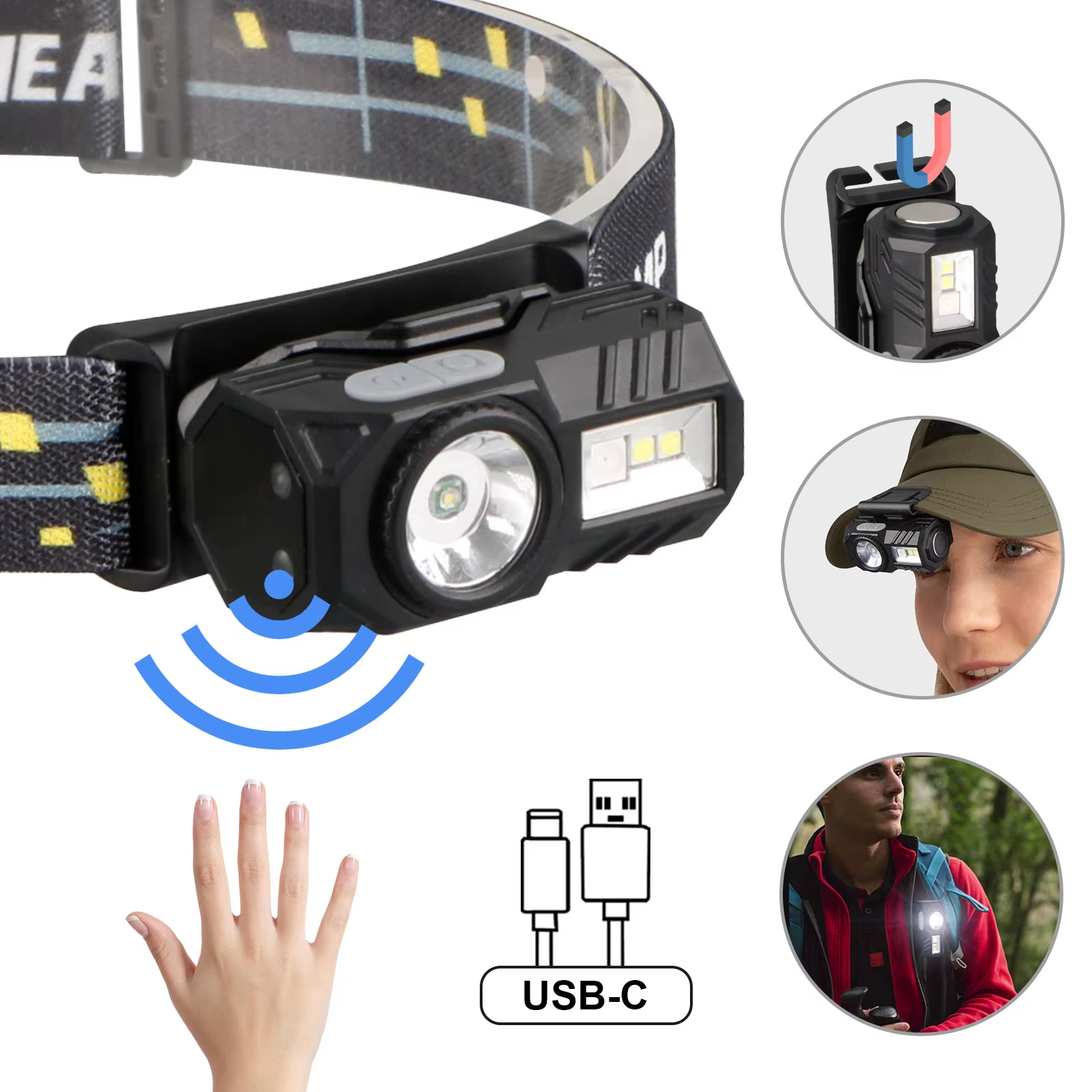
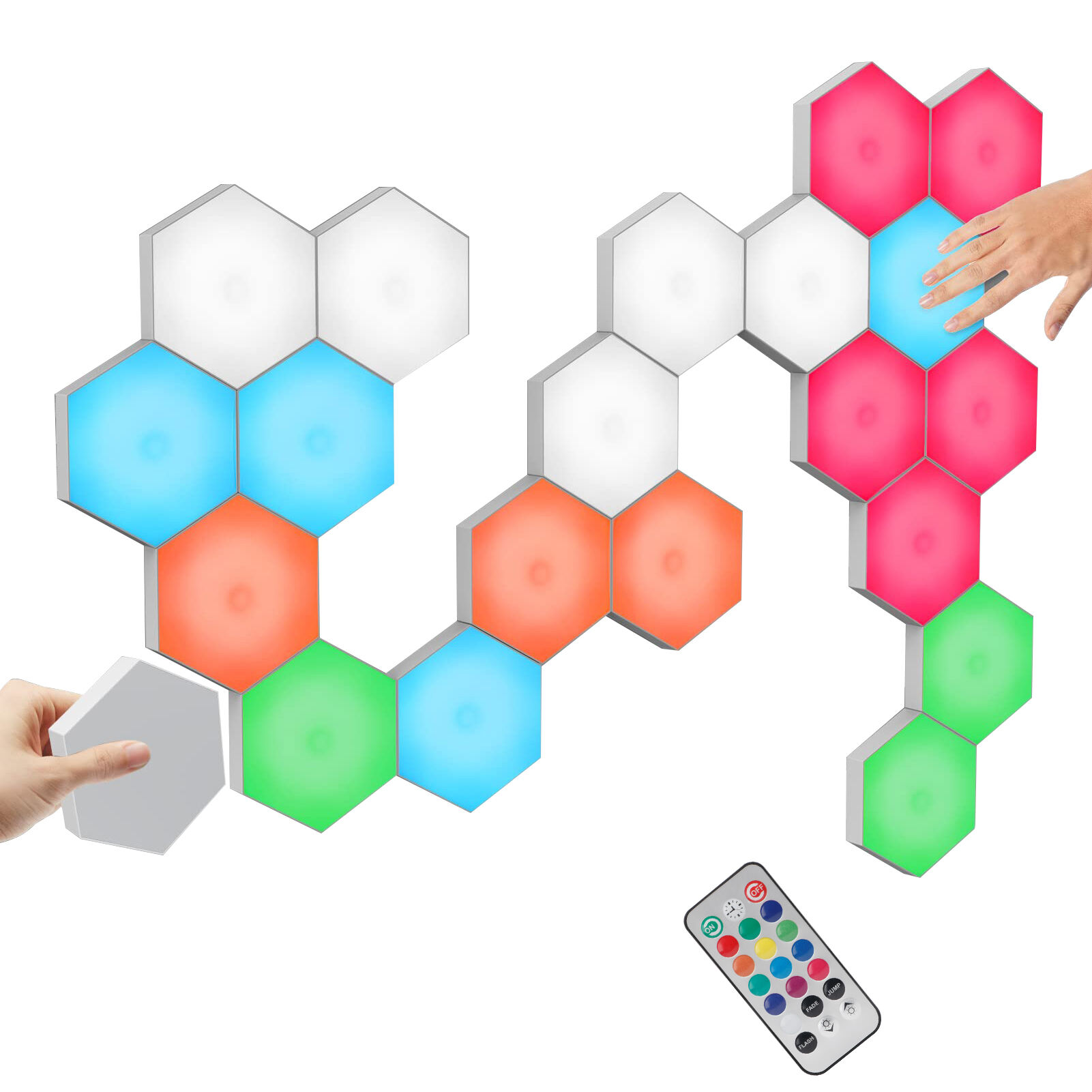
solar light bug zapper
The solar light bug zapper represents an innovative fusion of sustainable energy technology and effective pest control, designed to protect outdoor spaces while minimizing environmental impact and operating costs. This dual-purpose device combines ambient lighting capabilities with powerful insect elimination functions, making it an essential addition to patios, gardens, camping sites, and other outdoor areas. The solar light bug zapper harnesses renewable solar energy through integrated photovoltaic panels, converting sunlight into electrical power during daylight hours and storing it in rechargeable batteries for nighttime operation. When darkness falls, the device automatically activates its LED illumination system, providing gentle ambient lighting while simultaneously operating its insect attraction and elimination mechanism. The bug zapping component utilizes a specialized UV light spectrum that naturally attracts flying insects, including mosquitoes, flies, moths, and other bothersome pests. Once drawn to the light source, insects encounter an electrified grid that delivers a quick, humane elimination method. The solar light bug zapper features weather-resistant construction, typically incorporating durable materials such as ABS plastic housings and stainless steel grids that withstand rain, humidity, and temperature fluctuations. Many models include adjustable brightness settings, allowing users to customize illumination levels according to their preferences and specific environmental conditions. The technological sophistication of modern solar light bug zappers includes intelligent light sensors that automatically detect ambient light levels, ensuring the device operates only when needed, thereby conserving battery power and extending operational lifespan. Installation requires no complex wiring or professional assistance, as these standalone units can be mounted on stakes, hung from hooks, or placed on flat surfaces. Applications span residential backyards, commercial outdoor dining areas, agricultural settings, recreational facilities, and virtually any outdoor environment where insects pose nuisance or health concerns while supplementary lighting enhances safety and ambiance.
 EN
EN