EN
EN

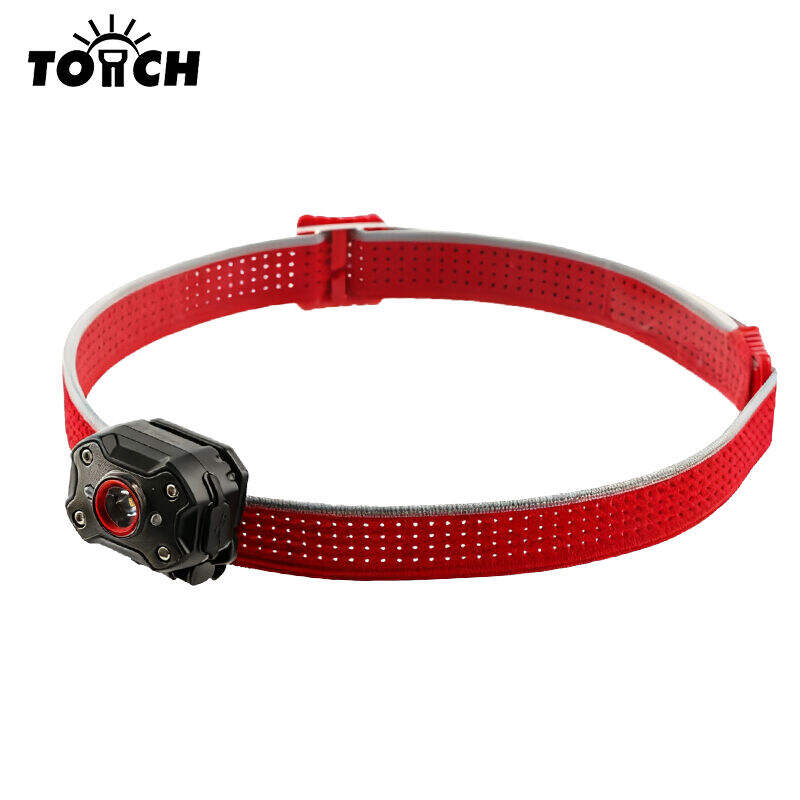
Field maintenance professionals across industries understand the critical importance of proper illumination when working in challenging environments. Traditional handheld flashlights and overhead lighting systems often fall short in providing the focused, directional lighting needed for precision tasks. This is where hands-free headlamps revolutionize maintenance operations by delivering targeted illumination while allowing technicians to use both hands effectively for complex repairs and inspections.
The evolution of maintenance practices has consistently focused on improving worker safety and operational efficiency. Modern hands-free headlamps represent a significant advancement in portable lighting technology, incorporating features such as motion sensors, adjustable beam patterns, and extended battery life. These innovations directly address the unique challenges faced by maintenance professionals who often work in confined spaces, elevated positions, or areas with limited ambient lighting conditions.
The integration of hands-free headlamps into maintenance workflows has demonstrated measurable improvements in task completion times, error reduction, and worker satisfaction. Field studies across various industries have shown that technicians equipped with quality headlamps complete routine maintenance tasks up to thirty percent faster than those relying on traditional lighting methods. This efficiency gain translates directly into cost savings and improved operational uptime for organizations.
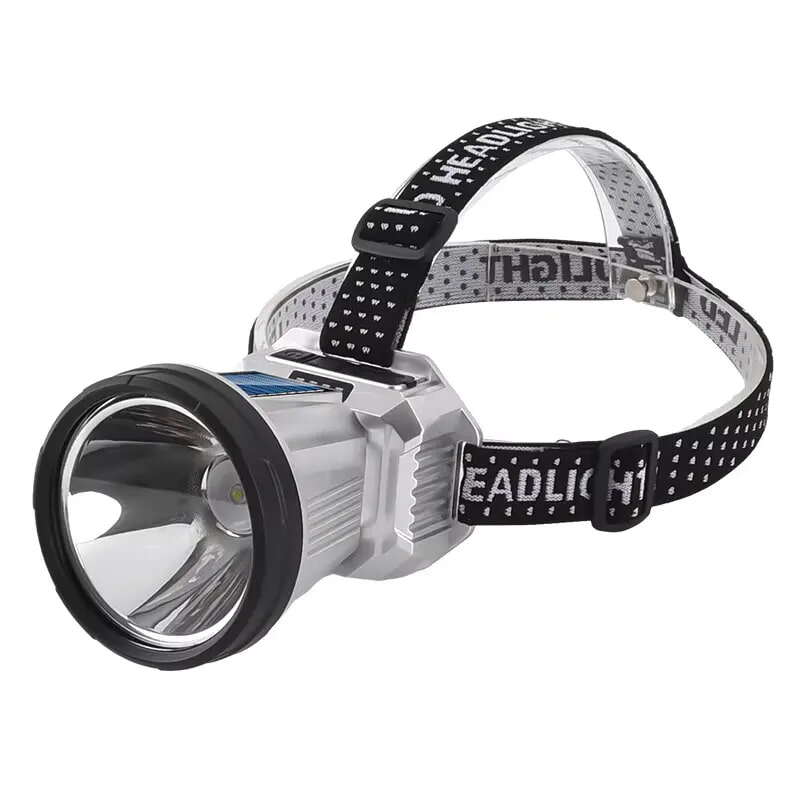
Enhanced Safety Protocols in Maintenance Operations
Improved Visibility in Hazardous Environments
Maintenance work often occurs in environments where visibility is compromised due to poor lighting conditions, confined spaces, or weather-related factors. Hands-free headlamps provide consistent, directional lighting that moves with the technician's field of vision, ensuring optimal illumination regardless of head position or movement. This capability significantly reduces the risk of accidents caused by inadequate lighting, such as trips, falls, or contact with hazardous equipment components.
The adjustable beam patterns available in modern hands-free headlamps allow maintenance professionals to customize their lighting based on specific task requirements. Wide-angle flood beams provide general area illumination for overview inspections, while focused spot beams enable detailed examination of small components or tight spaces. This versatility eliminates the need for multiple lighting tools and ensures appropriate illumination for every maintenance scenario.
Emergency Response Capabilities
During emergency maintenance situations, hands-free headlamps become essential safety equipment that enables rapid response without compromising worker protection. The immediate availability of reliable lighting allows technicians to quickly assess equipment failures, identify safety hazards, and implement necessary repairs or containment measures. Many modern headlamps feature emergency strobe functions and red light modes that enhance visibility to other team members during critical operations.
The durability and weather resistance of professional-grade hands-free headlamps ensure reliable operation in extreme conditions commonly encountered during emergency maintenance scenarios. Features such as impact resistance, water resistance ratings, and temperature tolerance allow these devices to function effectively in challenging environments where other lighting solutions might fail.
Productivity Gains Through Ergonomic Design
Two-Handed Operation Advantages
The fundamental advantage of hands-free headlamps lies in their ability to free both hands for complex maintenance tasks while maintaining optimal lighting conditions. This capability enables technicians to handle tools, manipulate components, and reference documentation simultaneously without compromising visibility. The result is a significant reduction in task completion times and improved quality of maintenance work.
Traditional maintenance approaches often require technicians to position portable lights, hold flashlights between teeth, or work with inadequate lighting conditions. These compromises lead to increased fatigue, reduced precision, and higher error rates. Hands-free headlamps eliminate these issues by providing consistent, hands-free illumination that adapts to the technician's movements and focus areas.
Reduced Physical Strain and Fatigue
Extended maintenance operations can result in significant physical strain, particularly when technicians must manage multiple tools and lighting equipment simultaneously. Hands-free headlamps reduce the physical burden by eliminating the need to hold or position external lighting devices. The lightweight design of modern headlamps distributes weight evenly across the head, minimizing neck strain during extended use periods.
Ergonomic considerations in headlamp design include adjustable strap systems, cushioned contact points, and balanced weight distribution that prevent pressure points and discomfort during long maintenance sessions. These features contribute to sustained productivity levels and reduced worker fatigue, leading to more consistent performance throughout entire shifts.
Technical Features and Maintenance Applications
Advanced Lighting Technologies
Modern hands-free headlamps incorporate advanced LED technology that provides superior light output while maintaining energy efficiency and extended operating times. Variable brightness settings allow technicians to adjust illumination levels based on specific task requirements, conserving battery power during routine operations while providing maximum output when needed for detailed inspections or critical repairs.
Motion sensor technology represents a significant advancement in hands-free headlamps, automatically activating illumination when movement is detected. This feature proves particularly valuable during maintenance operations where technicians frequently move between different work areas or need to preserve battery life during inactive periods. The automatic activation ensures immediate lighting availability without requiring manual operation of switches or controls.
Power Management and Reliability
Battery life and charging capabilities are critical factors in the effectiveness of hands-free headlamps for maintenance applications. Solar charging capabilities extend operational time significantly, particularly valuable for outdoor maintenance operations or remote locations where electrical charging options are limited. Rechargeable battery systems reduce operational costs while providing consistent performance throughout extended maintenance cycles.
Multiple power modes and brightness settings enable technicians to optimize battery consumption based on task requirements and duration. Low-power modes provide adequate illumination for routine inspections while preserving battery life, while high-output modes deliver maximum brightness for detailed work or emergency situations. This flexibility ensures reliable operation throughout entire maintenance schedules without interruption.
Industry-Specific Maintenance Benefits
Manufacturing and Industrial Maintenance
Manufacturing facilities require regular maintenance of complex machinery and equipment systems that often involve working in tight spaces or areas with limited overhead lighting. Hands-free headlamps enable maintenance technicians to perform detailed inspections of moving parts, lubrication systems, and electronic components without compromising safety or precision. The ability to maintain constant illumination while using both hands for repairs significantly reduces maintenance downtime.
Preventive maintenance schedules in industrial settings benefit substantially from the consistent lighting provided by hands-free headlamps. Technicians can perform thorough inspections of equipment components, identify potential issues before they become critical failures, and document findings more effectively. This proactive approach to maintenance reduces unplanned downtime and extends equipment service life.
Utility and Infrastructure Maintenance
Utility maintenance operations frequently occur in challenging environments such as underground facilities, elevated structures, or remote locations where conventional lighting is unavailable. Hands-free headlamps provide essential illumination for electrical system maintenance, pipeline inspections, and communication equipment servicing. The reliability and durability of professional headlamps ensure consistent performance in harsh weather conditions and extreme temperatures.
Emergency response capabilities become particularly important in utility maintenance scenarios where power outages or equipment failures require immediate attention. The instant availability of reliable lighting enables rapid assessment and repair of critical infrastructure components, minimizing service disruptions and public safety risks. The hands-free design allows technicians to work efficiently with complex tools and equipment while maintaining optimal visibility.
Selection Criteria for Professional Headlamps
Performance Specifications
Selecting appropriate hands-free headlamps for maintenance applications requires careful consideration of performance specifications that align with operational requirements. Brightness output, measured in lumens, determines the effective illumination range and intensity available for various maintenance tasks. Professional maintenance applications typically require headlamps with adjustable output ranges from low-level inspection lighting to high-intensity detail work.
Beam pattern characteristics significantly impact the effectiveness of hands-free headlamps in maintenance scenarios. Combination beam designs that provide both focused spot illumination and wider flood coverage offer maximum versatility for different maintenance requirements. The ability to switch between beam patterns or combine them simultaneously enhances the utility of headlamps across diverse maintenance applications.
Durability and Environmental Resistance
Maintenance environments often expose equipment to harsh conditions including temperature extremes, moisture, dust, and potential impact hazards. Professional-grade hands-free headlamps must demonstrate appropriate environmental resistance ratings that ensure reliable operation under field conditions. Impact resistance specifications indicate the device's ability to withstand drops or impacts that commonly occur during maintenance activities.
Water resistance ratings become critical for outdoor maintenance operations or environments where moisture exposure is likely. Hands-free headlamps with appropriate ingress protection ratings maintain functionality in rain, humidity, or wash-down scenarios common in industrial maintenance settings. Chemical resistance may also be necessary in certain maintenance environments where exposure to cleaning agents or process chemicals occurs.
Implementation and Training Considerations
Integration into Existing Maintenance Protocols
Successful implementation of hands-free headlamps into maintenance operations requires thoughtful integration with existing safety protocols and work procedures. Training programs should emphasize proper wearing techniques, adjustment procedures, and care requirements that ensure optimal performance and extended service life. Maintenance supervisors must understand the capabilities and limitations of headlamp technology to make informed decisions about deployment and usage.
Standardization of headlamp models across maintenance teams facilitates training consistency and simplifies inventory management. Common charging systems, replacement parts availability, and consistent operational procedures reduce complexity while ensuring reliable equipment availability. Documentation of maintenance procedures should reflect the enhanced capabilities provided by hands-free illumination systems.
Cost-Benefit Analysis and ROI
The investment in quality hands-free headlamps for maintenance operations generates measurable returns through improved efficiency, reduced error rates, and enhanced safety outcomes. Quantifiable benefits include reduced maintenance completion times, decreased rework requirements, and lower accident rates that translate directly into cost savings. Long-term operational costs remain minimal due to rechargeable battery systems and durable construction that provides extended service life.
Productivity improvements achieved through hands-free headlamps often justify initial equipment costs within the first year of implementation. Organizations typically observe immediate improvements in maintenance quality and worker satisfaction that contribute to overall operational efficiency. The enhanced capability to perform detailed inspections and precision work results in more effective preventive maintenance programs and reduced equipment failures.
FAQ
What are the main advantages of using hands-free headlamps for maintenance work
Hands-free headlamps provide several key advantages for maintenance professionals including improved safety through consistent illumination, increased productivity by freeing both hands for complex tasks, reduced physical strain and fatigue, and enhanced precision in detailed work. The directional lighting follows the technician's line of sight, ensuring optimal visibility regardless of head position or movement. This combination of benefits leads to faster task completion, reduced error rates, and improved overall work quality.
How do motion sensor features benefit maintenance technicians
Motion sensor technology in hands-free headlamps automatically activates illumination when movement is detected, providing immediate lighting without requiring manual operation of switches or controls. This feature proves particularly valuable during maintenance operations where technicians frequently move between work areas or when hands are occupied with tools and equipment. The automatic activation preserves battery life during inactive periods while ensuring instant availability when needed.
What factors should be considered when selecting headlamps for industrial maintenance
Key selection criteria include brightness output and adjustable settings, beam pattern versatility, battery life and charging options, environmental resistance ratings for temperature and moisture exposure, impact resistance for durability, weight and ergonomic design for comfort during extended use, and compatibility with existing safety equipment such as hard hats. Professional maintenance applications require headlamps that can withstand harsh operating conditions while providing reliable performance throughout entire work shifts.
How do hands-free headlamps improve safety in emergency maintenance situations
During emergency maintenance scenarios, hands-free headlamps enable rapid response by providing immediate reliable illumination that allows technicians to quickly assess equipment failures and identify safety hazards. The consistent lighting follows the technician's field of vision, reducing the risk of accidents caused by inadequate visibility. Many professional headlamps include emergency strobe functions and red light modes that enhance visibility to other team members during critical operations, improving overall emergency response coordination and safety.
Table of Contents
- Enhanced Safety Protocols in Maintenance Operations
- Productivity Gains Through Ergonomic Design
- Technical Features and Maintenance Applications
- Industry-Specific Maintenance Benefits
- Selection Criteria for Professional Headlamps
- Implementation and Training Considerations
-
FAQ
- What are the main advantages of using hands-free headlamps for maintenance work
- How do motion sensor features benefit maintenance technicians
- What factors should be considered when selecting headlamps for industrial maintenance
- How do hands-free headlamps improve safety in emergency maintenance situations