 EN
EN

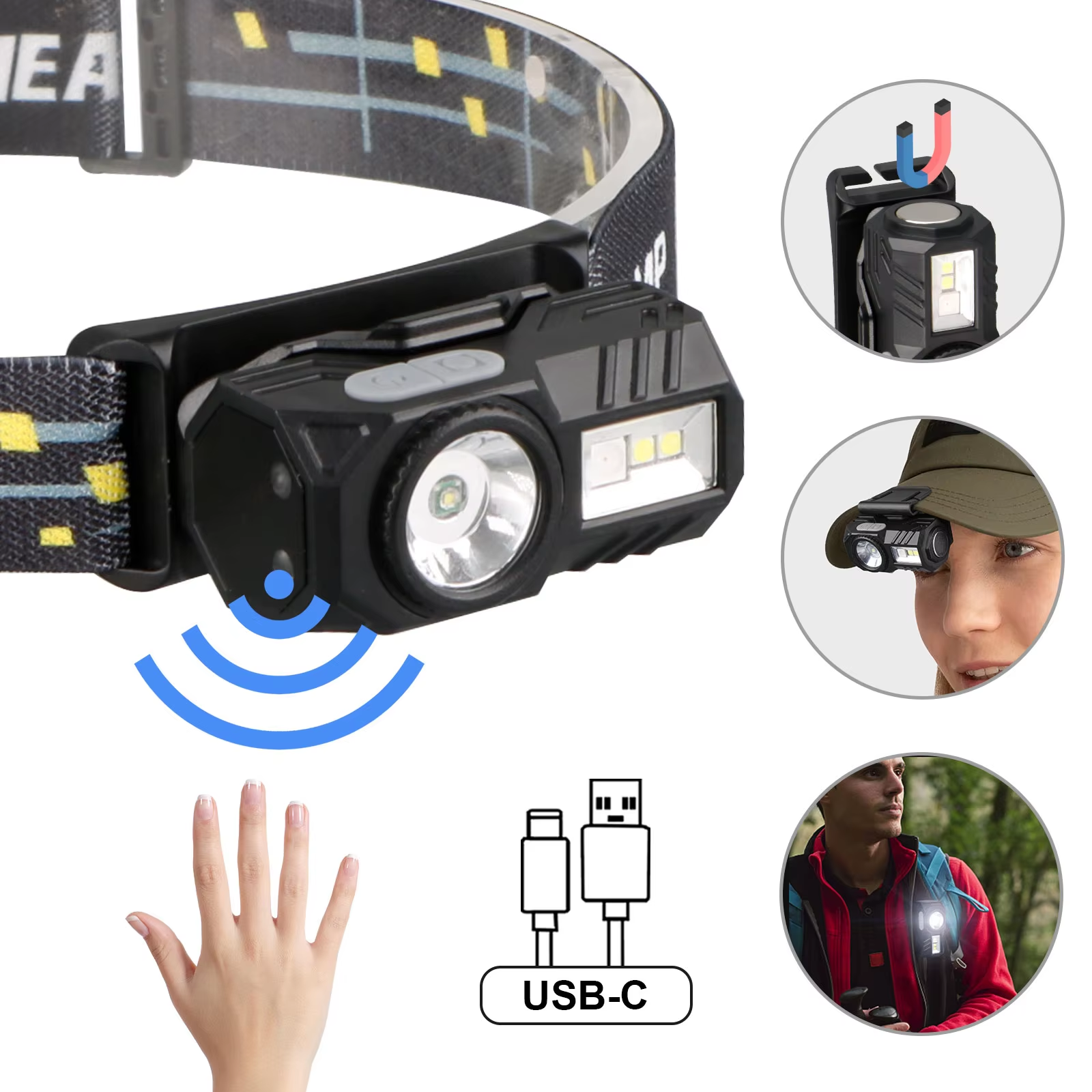
Search and rescue operations demand equipment that performs reliably under the most challenging conditions. When lives hang in the balance, professionals cannot afford to rely on inadequate lighting solutions that fail when needed most. An LED headlamp designed for these critical missions must incorporate specific features that ensure consistent performance, extended durability, and operational efficiency in extreme environments.
Professional rescue teams understand that their LED headlamp serves as more than just a source of illumination. It becomes a vital lifeline that enables precise navigation through treacherous terrain, accurate victim assessment, and effective coordination with team members. The distinction between a standard consumer flashlight and a professional-grade LED headlamp lies in its engineered capacity to withstand impact, moisture, temperature extremes, and continuous operation over extended periods.
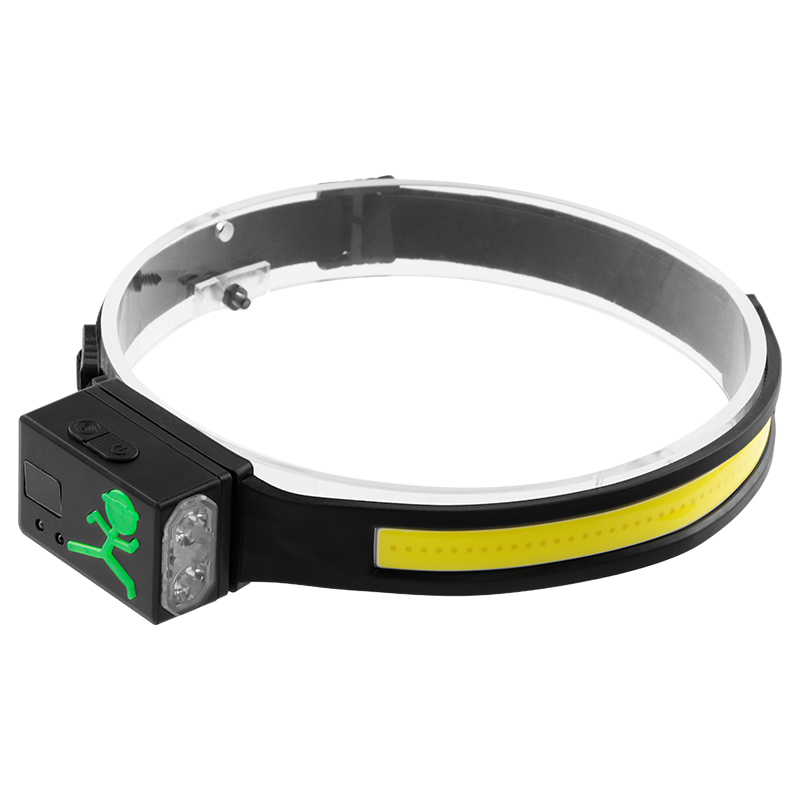
The selection of an appropriate LED headlamp for search and rescue missions requires careful consideration of multiple technical specifications and operational requirements. Emergency responders must evaluate factors ranging from luminous output and battery longevity to construction materials and environmental sealing. Understanding these critical characteristics ensures that rescue personnel can maintain optimal visibility and operational capability regardless of the circumstances they encounter in the field.
Essential Luminosity and Beam Performance Standards
High-Output Illumination Capabilities
Professional search and rescue operations require an LED headlamp capable of producing substantial luminous output to penetrate darkness across considerable distances. Modern rescue-grade units typically generate between 800 to 2000 lumens, providing sufficient illumination to identify victims, assess hazards, and navigate complex environments. The luminous intensity must remain consistent throughout the operational period, avoiding the gradual dimming that characterizes inferior lighting systems.
Advanced LED headlamp designs incorporate multiple brightness settings that allow operators to adjust illumination according to specific task requirements. High-intensity modes prove essential for long-distance search activities and hazard identification, while lower-output settings preserve battery life during extended operations and reduce the risk of overwhelming night-adapted vision. The transition between brightness levels must occur smoothly and predictably, enabling rapid adjustment without compromising operational effectiveness.
The quality of light produced by an LED headlamp significantly impacts its utility in rescue situations. Professional units typically utilize high-quality LED chips that produce neutral white light with excellent color rendering properties. This characteristic enables accurate assessment of victim conditions, proper identification of environmental hazards, and effective color-coded communication systems. Poor color rendering can lead to misinterpretation of critical visual information, potentially compromising rescue effectiveness and safety.
Beam Pattern and Distance Optimization
The beam pattern generated by an LED headlamp directly influences its effectiveness in search and rescue applications. Professional units feature carefully engineered reflector systems that produce a combination of focused spot illumination and broad flood coverage. The spot beam component provides long-distance visibility for navigation and target identification, while the flood pattern ensures adequate peripheral illumination for situational awareness and close-proximity tasks.
Beam distance capabilities distinguish professional LED headlamp models from consumer alternatives. Rescue-grade units typically project usable illumination across distances exceeding 200 meters, enabling teams to conduct effective area searches and maintain visual contact with distant objectives. The beam must maintain sufficient intensity at maximum range to facilitate target identification and hazard recognition, ensuring that operators can make informed decisions about approach strategies and safety considerations.
Advanced LED headlamp designs may incorporate adjustable focus mechanisms that allow operators to modify beam characteristics according to immediate requirements. This flexibility enables optimization of illumination patterns for specific tasks, from wide-area searches requiring maximum coverage to precision work demanding concentrated illumination. The adjustment mechanism must operate smoothly and maintain selected settings reliably, even under conditions involving vibration, impact, and temperature variation.
Power Management and Battery Performance
Extended Runtime Requirements
Search and rescue operations frequently extend over many hours or even multiple days, demanding an LED headlamp with exceptional battery longevity. Professional units must provide reliable illumination for minimum periods of 8-12 hours on medium brightness settings, with some applications requiring continuous operation for 24 hours or longer. The power management system must deliver consistent performance throughout the discharge cycle, avoiding sudden failures that could compromise mission success.
Modern LED headlamp designs incorporate sophisticated battery management systems that optimize power consumption while maintaining output quality. These systems monitor battery voltage and automatically adjust LED drive current to maximize runtime without sacrificing illumination quality. Advanced units may feature multiple battery chemistries, including lithium-ion, lithium metal, and alkaline options, providing flexibility for different operational scenarios and logistical constraints.
The battery indicator system represents a critical component of professional LED headlamp design. Operators must receive accurate, real-time information about remaining power capacity to make informed decisions about mission planning and equipment management. Multi-level indicators provide detailed status information, while low-battery warnings ensure adequate time for battery replacement or equipment switching before complete power depletion.
Charging and Power System Flexibility
Professional LED headlamp systems must accommodate diverse charging and power supply scenarios encountered in rescue operations. Rechargeable units typically feature USB charging capabilities that enable power restoration using vehicle adapters, portable power banks, or solar charging systems. The charging system must operate reliably under field conditions and provide reasonable charging times that minimize operational downtime.
Backup power options prove essential for extended rescue missions where rechargeable batteries may become depleted before charging opportunities arise. Professional LED headlamp designs often accommodate standard alkaline or lithium batteries as emergency power sources, ensuring continued operation when primary batteries fail or charging resources become unavailable. This dual-power capability provides critical redundancy that can mean the difference between mission success and failure.
The power system design must also consider environmental factors that affect battery performance in rescue scenarios. Temperature extremes can significantly reduce battery capacity and lifespan, requiring LED headlamp systems that incorporate thermal management features and battery chemistry selection optimized for expected operating conditions. Cold weather operations may require specialized battery types or external warming systems to maintain adequate performance levels.
Construction Durability and Environmental Protection
Impact Resistance and Structural Integrity
Search and rescue environments subject LED headlamp equipment to severe physical stresses that would destroy consumer-grade lighting systems. Professional units must withstand repeated impacts from falling debris, accidental drops, and contact with rough surfaces without compromising functionality. The construction typically incorporates reinforced housing materials, shock-absorbing internal mounting systems, and protective lens covers that maintain optical clarity despite physical abuse.
The structural design of a professional LED headlamp must balance durability requirements with weight considerations that affect user comfort during extended wear periods. Advanced materials such as aircraft-grade aluminum, reinforced polymers, and impact-resistant polycarbonate provide exceptional strength-to-weight ratios while maintaining resistance to corrosion and environmental degradation. The mounting system must distribute loads evenly across the user's head and maintain secure positioning despite vigorous physical activity.
Testing standards for professional LED headlamp durability typically exceed military specifications for portable equipment. Units undergo drop tests from multiple heights and angles, vibration testing that simulates transportation and operational stresses, and compression testing that validates structural integrity under load conditions. These rigorous evaluation procedures ensure that LED headlamp systems will continue functioning after experiencing the severe conditions commonly encountered in rescue operations.
Water and Environmental Sealing
Professional rescue operations frequently occur in wet environments where standard electrical equipment would fail catastrophically. An effective LED headlamp must achieve minimum IPX7 waterproof ratings that enable submersion in water up to one meter deep for extended periods. Advanced units may achieve IPX8 ratings that allow deeper submersion and longer exposure times, providing additional safety margins for aquatic rescue scenarios.
The sealing system must protect all electrical components and connections from moisture infiltration while maintaining accessibility for battery replacement and charging operations. Professional LED headlamp designs typically incorporate multiple sealing stages, including O-ring seals, gasket systems, and conformal coatings on electronic components. The sealing integrity must remain effective throughout the operational lifespan despite exposure to temperature cycling, mechanical stress, and chemical contaminants.
Environmental protection extends beyond water resistance to include protection from dust, sand, salt spray, and chemical exposure that may be encountered in rescue environments. The LED headlamp housing must prevent particle infiltration that could degrade optical performance or damage internal components. Corrosion resistance becomes particularly important in marine environments or industrial accident scenarios where chemical contamination may occur.
Operational Features and User Interface Design
Control System Accessibility and Reliability
The control interface of a professional LED headlamp must remain accessible and functional even when operators wear heavy gloves or work in challenging environmental conditions. Large, tactilely distinct controls enable reliable operation without requiring visual confirmation, allowing users to adjust settings while maintaining focus on critical tasks. The switch mechanisms must provide positive feedback that confirms activation and resist accidental operation that could compromise mission effectiveness.
Professional LED headlamp control systems typically incorporate simplified operation sequences that minimize the risk of user error under stress conditions. Multi-function switches may provide access to brightness adjustment, beam pattern selection, and special lighting modes through intuitive press sequences. The control logic must remain consistent and predictable, enabling operators to access required functions reliably even after extended periods without equipment use.
Advanced LED headlamp designs may incorporate lockout features that prevent accidental activation during storage or transportation. These systems protect battery life and eliminate the risk of unwanted illumination that could compromise tactical operations or reveal positions to potential hazards. The lockout mechanism must be easily disengaged when equipment deployment becomes necessary, without requiring complex procedures that delay response times.
Mounting System Comfort and Stability
Extended rescue operations demand LED headlamp mounting systems that provide secure positioning without causing user fatigue or discomfort. Professional designs incorporate padded contact points, adjustable strap systems, and weight distribution features that minimize pressure points and prevent equipment migration during vigorous activity. The mounting system must accommodate various head sizes and helmet configurations without compromising stability or comfort.
The headband system requires materials that resist degradation from perspiration, environmental exposure, and repeated cleaning cycles. Professional LED headlamp straps typically utilize moisture-wicking fabrics, antimicrobial treatments, and quick-drying materials that maintain comfort and hygiene during extended use periods. Adjustment mechanisms must operate smoothly and maintain selected settings reliably, even when subjected to moisture and temperature variations.
Compatibility with personal protective equipment represents a critical design consideration for rescue LED headlamp systems. The mounting system must integrate effectively with helmets, breathing apparatus, and other safety equipment without creating interference or compromising the protection provided by existing gear. Quick-release mechanisms may be incorporated to enable rapid equipment removal if emergency situations require immediate LED headlamp detachment.
Specialized Lighting Modes for Emergency Operations
Signal and Communication Capabilities
Professional rescue LED headlamp systems often incorporate specialized lighting modes that facilitate communication and signaling between team members. Strobe functions provide high-visibility emergency signals that can be seen over considerable distances, enabling position marking and distress indication. The strobe patterns must comply with recognized emergency signaling protocols while providing sufficient intensity to penetrate environmental conditions such as fog, rain, or smoke.
Red lighting modes serve multiple purposes in rescue operations, including preservation of night vision adaptation and covert operation capabilities. The red LED headlamp illumination allows operators to perform close-proximity tasks without compromising their ability to detect distant light sources or navigate using night vision equipment. Professional units typically provide both steady red illumination and red strobe functions for different operational requirements.
Some advanced LED headlamp designs incorporate programmable lighting sequences that enable customized signaling protocols specific to particular rescue organizations or operational procedures. These features allow teams to establish unique identification signals or communicate basic status information through light patterns. The programming interface must remain simple enough for field modification while providing sufficient flexibility to meet diverse communication requirements.
Task-Specific Illumination Optimization
Different rescue activities require specific illumination characteristics that may not be optimally provided by standard LED headlamp configurations. Medical assessment tasks benefit from high color rendering illumination that enables accurate evaluation of patient conditions, while technical rescue operations may require focused spot beams for precision work on equipment or structural elements. Professional LED headlamp systems often incorporate multiple lighting modes optimized for common rescue tasks.
Close-proximity work modes provide diffused, even illumination that minimizes shadows and glare while performing detailed tasks. These modes typically operate at reduced intensity levels that prevent vision overwhelming while maintaining sufficient illumination for precise manipulation of equipment or patient care procedures. The LED headlamp must transition smoothly between task-specific modes without causing visual disruption that could compromise operational effectiveness.
Navigation modes optimize LED headlamp output for movement across varied terrain while preserving battery life during extended travel periods. These settings balance illumination distance with peripheral coverage, enabling safe progress while maintaining awareness of environmental conditions and potential hazards. The beam pattern and intensity must provide adequate warning time for obstacle avoidance while minimizing energy consumption during transit phases of rescue operations.
FAQ
What is the minimum lumen output recommended for search and rescue LED headlamps?
Professional search and rescue LED headlamp systems should provide minimum output of 800-1000 lumens on high settings, with many advanced units offering 1500-2000 lumens for maximum effectiveness. The lumen rating must be sustained rather than peak output, ensuring consistent performance throughout battery discharge cycles. Multiple brightness levels allow operators to balance illumination needs with battery conservation requirements during extended operations.
How long should a rescue LED headlamp battery last during continuous operation?
Professional rescue LED headlamp units must provide minimum 8-12 hours of continuous operation on medium brightness settings, with some applications requiring 24-hour runtime capability. High-quality rechargeable lithium-ion batteries typically offer the best combination of capacity, reliability, and recharge speed. Backup power options using standard alkaline or lithium cells provide essential redundancy for extended missions where charging opportunities may be limited.
What waterproof rating is essential for search and rescue headlamps?
Rescue LED headlamp systems require minimum IPX7 waterproof ratings that enable submersion in water up to one meter deep for 30 minutes without damage. Advanced units achieving IPX8 ratings provide additional protection for deeper submersion and longer exposure periods. The waterproof sealing must remain effective throughout the operational lifespan despite exposure to temperature cycling, mechanical stress, and environmental contaminants commonly encountered in rescue scenarios.
Are red light modes necessary in professional rescue headlamps?
Red lighting modes provide essential functionality for rescue operations, including night vision preservation, covert operation capability, and compatibility with night vision equipment. Red LED headlamp illumination allows close-proximity task performance without compromising distance vision adaptation or revealing operator positions. Professional units typically offer both steady red illumination and red strobe functions, with some models incorporating infrared options for specialized tactical applications requiring complete light discipline.
