 EN
EN

Businesses across hospitality, retail, and outdoor service sectors are increasingly turning to solar bug zapper technology to address a persistent operational challenge: managing flying insects while maintaining outdoor customer spaces. The adoption of solar bug zapper solutions represents a fundamental shift in how commercial properties approach pest management, moving away from chemical treatments toward integrated technology-based approaches that deliver both environmental and economic value.
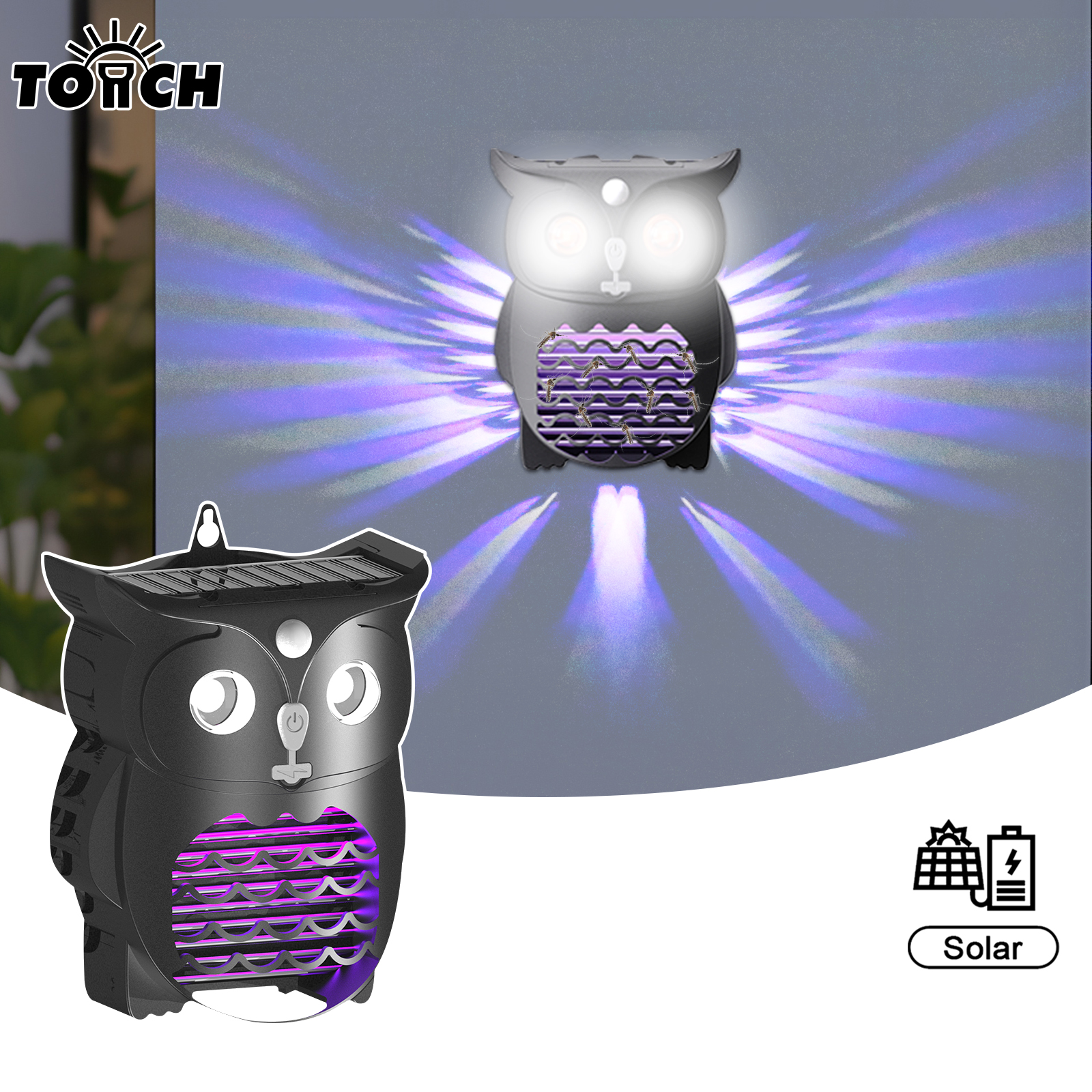
A solar bug zapper combines ultraviolet light attraction, electrical grid elimination, and renewable energy operation into a single outdoor fixture. When businesses evaluate pest management strategies for gardens, patios, dining areas, and recreational spaces, the solar bug zapper emerges as a practical solution that operates continuously without power cord dependence or recurring chemical supply costs. Understanding the business rationale behind this adoption reveals deeper insights into operational efficiency, customer experience, and sustainable facility management practices.
Operational Cost Reduction and Energy Efficiency
Eliminating Recurring Power and Chemical Expenses
The financial case for adopting a solar bug zapper starts with energy consumption. Traditional electric bug zappers require hardwired electrical connections or battery replacement cycles, creating ongoing utility expenses and maintenance overhead. A solar bug zapper operates independently using photovoltaic cells that charge during daylight hours, eliminating monthly electricity charges while requiring zero ongoing energy expenditure. For businesses managing multiple outdoor areas, this translates into measurable savings across landscaped perimeters, poolside environments, and commercial dining patios.
Beyond energy costs, chemical pest control programs demand regular pesticide purchases, professional application services, and compliance documentation. Businesses often discover that switching to a solar bug zapper reduces chemical inventory costs significantly while eliminating the need for licensed pest control technician visits. The financial comparison becomes particularly compelling when a single solar bug zapper replaces quarterly chemical treatments across a restaurant patio or outdoor retail display area.
Return on Investment Timeline
Installing a solar bug zapper typically involves lower upfront capital compared to permanent electrical infrastructure modifications required for hardwired bug zappers. Businesses report that equipment costs recover within one to two seasons of operation when factoring in eliminated electricity charges and avoided chemical application fees. This rapid payback period encourages wider deployment across multiple outdoor zones, as facility managers identify rapid expansion potential. A solar bug zapper positioned strategically in high-traffic outdoor areas maximizes customer comfort while delivering clear financial returns that justify capital equipment requests.
Environmental Sustainability and Brand Positioning
Alignment with Corporate Sustainability Commitments
Modern businesses face increasing stakeholder expectations regarding environmental responsibility. Adopting a solar bug zapper demonstrates concrete commitment to reducing energy consumption and eliminating chemical pesticide usage. This positioning strengthens brand narratives around sustainable operations and responsible resource stewardship. Hospitality businesses, wellness centers, and outdoor retail environments particularly benefit from this alignment, as customers increasingly prefer venues that visibly prioritize environmental protection.
The solar bug zapper fits naturally into broader green business initiatives. Rather than representing an isolated pest management tactic, it functions as one component of comprehensive sustainability strategies involving renewable energy adoption, waste reduction, and chemical phase-out programs. Marketing communications can highlight this shift, reinforcing brand differentiation in competitive markets where environmental consciousness influences purchasing and venue selection decisions.
Eliminating Chemical Application Concerns
Chemical pest control introduces regulatory compliance requirements, worker safety considerations, and potential environmental impact concerns. A solar bug zapper eliminates these complications entirely, relying on physical attraction and electrical grid mechanisms rather than chemical agents. Facilities operating near water resources, in protected ecosystems, or within communities with strict pesticide regulations find particular value in this chemical-free approach. The solar bug zapper provides reliable pest control without triggering environmental assessment requirements or regulatory notification obligations.
Customer Experience and Operational Comfort
Extending Outdoor Operating Hours Profitably
Insect activity represents a significant constraint limiting outdoor venue usability during peak seasons. A solar bug zapper reduces flying insect populations substantially, extending the comfortable operating window for outdoor dining, events, and recreational activities. Businesses can capitalize on longer seasons and evening hours when customers traditionally avoid outdoor spaces due to mosquito and pest pressure. This operational flexibility directly translates into increased revenue opportunities as venues maintain outdoor seating during traditionally marginal periods.
Restaurants and entertainment venues discover that deploying a solar bug zapper across patio and garden areas noticeably improves customer satisfaction scores and encourages repeat visits. Rather than customers cutting outdoor experiences short or avoiding outdoor venues entirely, the presence of effective insect control through a solar bug zapper creates consistently comfortable outdoor environments. This customer experience improvement supports premium pricing strategies and stronger loyalty metrics for venues positioned in humid or seasonally buggy regions.
Aesthetic Integration and Continuous Operation
Modern solar bug zapper designs integrate lighting functionality, transforming pest control equipment into attractive landscape features that enhance ambiance. Many commercial solar bug zapper models incorporate LED accent lighting that operates throughout evening hours, creating welcoming outdoor atmospheres while simultaneously managing pest populations. This dual-purpose functionality justifies device deployment from both operational pest management and aesthetic landscaping perspectives.
The fully automated operation of a solar bug zapper reduces staff involvement in pest management activities. Unlike chemical applications requiring scheduled technician visits or manual trap monitoring, a solar bug zapper operates continuously without intervention. Staff can focus on customer service and core operations rather than managing pest control logistics, improving overall operational efficiency and reducing distraction from primary business functions.
FAQ
What factors determine whether a solar bug zapper effectively serves a specific business location?
Effectiveness depends on geographical location, seasonal insect pressure, geographic exposure to direct sunlight, and the specific pest species present in the area. A solar bug zapper performs optimally in regions with strong sunlight exposure and high flying insect populations, typically delivering noticeable improvement in outdoor comfort within two to three weeks. Businesses in heavily shaded areas or regions with weak seasonal insect activity may see less dramatic results, making preliminary assessment important before large-scale deployment.
Can a solar bug zapper serve as the sole pest management strategy for outdoor commercial spaces?
For most outdoor hospitality and retail environments, a solar bug zapper provides substantial pest reduction when deployed strategically across high-traffic areas. However, integrated pest management programs combining a solar bug zapper with complementary tactics like source elimination and barrier management often deliver superior results. In extreme insect environments or facilities requiring certification-level pest control documentation, a solar bug zapper typically serves as primary management with chemical applications reserved for supplemental seasonal treatments rather than routine operations.
How does maintenance and durability factor into the business case for solar bug zapper adoption?
A solar bug zapper requires minimal maintenance beyond occasional grid cleaning to ensure consistent electrical contact and collection tray emptying. Quality models operate reliably for three to five seasons with proper weather protection, offering extended service life compared to chemical treatment programs demanding continuous restocking. This durability translates into stable long-term operating costs after initial equipment investment, supporting predictable facility budgeting and reducing year-to-year operational variability.
