EN
EN

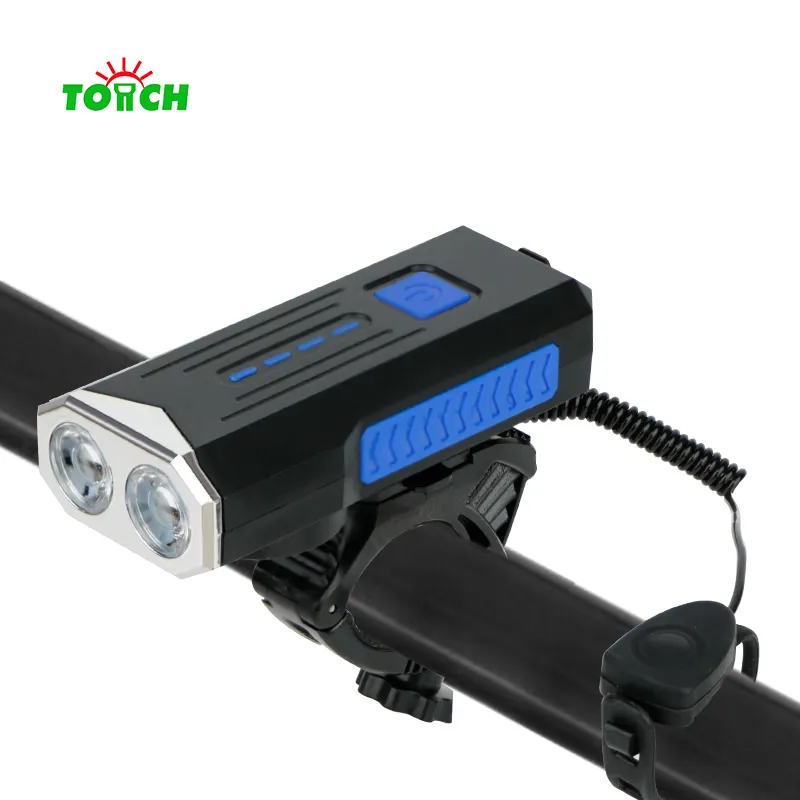
Field maintenance operations across industries from telecommunications to utilities require precision, safety, and optimal visibility under challenging conditions. Traditional handheld lighting solutions often compromise worker efficiency by occupying valuable hand space needed for tools and equipment. Hands-free headlamps have revolutionized field maintenance workflows by providing consistent, directional illumination while keeping both hands available for critical tasks. These advanced lighting solutions integrate seamlessly into professional maintenance protocols, offering enhanced productivity and safety standards that directly impact operational outcomes.
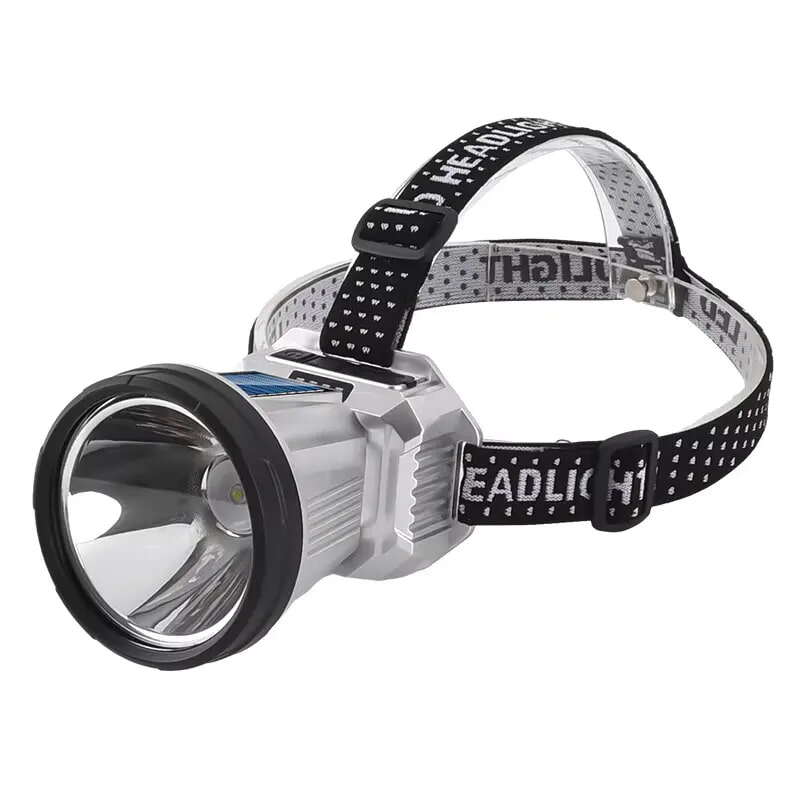
Enhanced Mobility and Task Execution
Unrestricted Hand Movement
Hands-free headlamps eliminate the constant juggling act between lighting tools and maintenance equipment that characterizes traditional field work. Maintenance technicians can simultaneously manipulate precision instruments, operate power tools, and access confined spaces without compromising illumination quality. This liberation of hand movement translates directly into faster task completion times and reduced physical strain on workers who previously needed to coordinate multiple tools simultaneously.
The ergonomic advantages extend beyond simple convenience to measurable productivity gains. Field studies indicate that maintenance teams using hands-free headlamps complete routine inspections approximately thirty percent faster than those relying on handheld flashlights. The consistent beam direction follows natural head movement, ensuring optimal lighting angles without manual adjustment interruptions that typically slow down complex procedures.
Improved Tool Handling Precision
Precision maintenance tasks require steady, controlled movements that become compromised when workers must balance lighting equipment alongside specialized tools. Hands-free headlamps provide stable illumination that moves naturally with head positioning, allowing technicians to focus entirely on delicate adjustments and measurements. This enhanced precision proves particularly valuable during equipment calibration procedures where minute adjustments can significantly impact operational performance.
Complex maintenance operations involving multiple tool changes benefit substantially from continuous hands-free lighting. Workers can seamlessly transition between different instruments without lighting interruptions, maintaining workflow momentum and reducing the risk of dropped tools or missed procedural steps that often occur during lighting repositioning phases.
Safety Improvements in Hazardous Environments
Consistent Visibility Standards
Industrial maintenance environments frequently present visibility challenges that range from confined spaces to elevated work platforms where adequate lighting becomes critical for worker safety. Hands-free headlamps provide consistent, reliable illumination that automatically adjusts to head movement and focal direction. This adaptive lighting capability significantly reduces the likelihood of accidents caused by inadequate visibility or sudden lighting failures common with handheld alternatives.
The consistent beam quality offered by professional-grade hands-free headlamps ensures that safety protocols can be maintained throughout extended maintenance procedures. Unlike battery-powered handheld lights that may dim gradually or fail unexpectedly, modern headlamp systems often incorporate multiple power sources and brightness settings that provide reliable performance throughout complete work shifts.
Emergency Response Capabilities
Emergency maintenance situations demand immediate response capabilities where lighting setup time can critically impact resolution speed. Hands-free headlamps eliminate setup delays associated with positioning stationary lights or coordinating handheld illumination with emergency tools. Maintenance teams can respond instantly to equipment failures while maintaining optimal visibility for diagnostic procedures and repair operations.
The portability and instant activation features of hands-free headlamps prove invaluable during power outages or equipment failures that compromise facility lighting systems. Emergency response protocols benefit from lighting solutions that remain functional regardless of external power availability, ensuring that critical maintenance procedures can continue without interruption.
Energy Efficiency and Operational Sustainability
Advanced Power Management Systems
Modern hands-free headlamps incorporate sophisticated power management technologies that extend operational duration while maintaining consistent light output. Solar charging capabilities and motion sensor activation features reduce energy consumption by automatically adjusting brightness levels based on ambient conditions and user activity. These intelligent power systems significantly reduce battery replacement costs and maintenance downtime associated with lighting equipment failures.
The integration of renewable energy sources into hands-free headlamp designs aligns with corporate sustainability initiatives while providing practical operational benefits. Solar-powered models can maintain full functionality through extended field assignments without requiring external charging infrastructure, making them particularly valuable for remote maintenance locations where power access remains limited or unreliable.
Reduced Equipment Maintenance Requirements
Professional-grade hands-free headlamps typically feature robust construction designed to withstand industrial environments while requiring minimal maintenance intervention. The sealed housing designs protect internal components from dust, moisture, and impact damage that commonly affects handheld lighting equipment. This durability translates into lower replacement costs and reduced equipment management overhead for maintenance departments.
The longevity of quality hands-free headlamps extends beyond individual unit durability to encompass reduced inventory management requirements. Maintenance teams can standardize on reliable headlamp models that provide consistent performance across diverse applications, simplifying procurement processes and reducing the complexity of equipment training programs for new personnel.
Integration with Modern Maintenance Protocols
Digital Documentation and Inspection Procedures
Contemporary maintenance protocols increasingly rely on digital documentation systems that require simultaneous equipment operation and data entry capabilities. Hands-free headlamps enable technicians to operate tablets, cameras, and diagnostic equipment while maintaining optimal illumination for detailed visual inspections. This integration capability proves essential for compliance documentation and quality assurance procedures that demand precise visual records.
The ability to photograph or video maintenance procedures while maintaining consistent lighting enhances training documentation and troubleshooting resources. Hands-free headlamps provide stable illumination that improves image quality for diagnostic photography, creating clearer documentation that supports remote technical support and knowledge transfer initiatives.
Team Coordination and Communication
Large-scale maintenance projects involving multiple team members benefit from standardized lighting solutions that ensure consistent visibility across all work areas. Hands-free headlamps enable team members to maintain clear visual communication through hand signals and shared workspace illumination without the coordination challenges associated with managing multiple handheld lights. This improved communication capability reduces errors and enhances collaborative efficiency during complex maintenance procedures.
The uniform lighting patterns provided by professional hands-free headlamps create predictable work environments that support established safety protocols and communication procedures. Team leaders can more effectively supervise maintenance operations when all personnel maintain consistent visibility standards through standardized lighting equipment that supports rather than hinders collaborative work processes.
Cost-Effectiveness and Return on Investment
Productivity Quantification
The measurable productivity improvements associated with hands-free headlamps translate directly into quantifiable cost savings through reduced labor hours and improved task completion rates. Maintenance departments report significant reductions in project timelines when teams transition from traditional lighting solutions to professional-grade hands-free headlamps. These efficiency gains compound over time, creating substantial annual savings that justify initial equipment investments.
Time-motion studies conducted across various industrial maintenance applications consistently demonstrate that hands-free headlamps reduce task completion times by eliminating lighting adjustment interruptions and improving tool handling efficiency. The accumulated time savings from these micro-efficiencies create measurable impacts on overall maintenance department productivity and resource allocation effectiveness.
Long-Term Equipment Lifecycle Benefits
The extended operational lifespan of quality hands-free headlamps creates favorable total cost of ownership scenarios compared to disposable or frequently replaced handheld lighting alternatives. Professional models designed for industrial applications often provide multiple years of reliable service with minimal maintenance requirements, creating predictable equipment budgets and reducing unexpected replacement costs.
The standardization benefits associated with adopting hands-free headlamps extend beyond individual unit economics to encompass training efficiency and inventory management simplification. Maintenance departments can reduce equipment variety while improving worker familiarity and competency with standardized lighting solutions that support diverse operational requirements.
FAQ
What battery life can maintenance teams expect from professional hands-free headlamps?
Professional-grade hands-free headlamps typically provide eight to twelve hours of continuous operation on standard brightness settings, with extended duration available through power-saving modes and solar charging capabilities. Advanced models featuring motion sensors and automatic brightness adjustment can extend operational time significantly by reducing power consumption during inactive periods, making them suitable for extended field assignments without external charging requirements.
How do hands-free headlamps perform in extreme weather conditions?
Quality hands-free headlamps designed for industrial applications feature weather-resistant construction that maintains functionality in rain, snow, and extreme temperature conditions. Most professional models include IPX4 or higher water resistance ratings and operate reliably in temperatures ranging from negative twenty to positive sixty degrees Celsius. The sealed housing designs protect internal components while maintaining consistent light output regardless of environmental conditions.
Can hands-free headlamps integrate with existing safety equipment and protocols?
Modern hands-free headlamps are designed to complement standard personal protective equipment including hard hats, safety glasses, and hearing protection without creating interference or comfort issues. The adjustable mounting systems accommodate various helmet configurations while maintaining secure positioning during active maintenance work. Many models feature compatibility with communication systems and can be integrated into comprehensive safety protocols without requiring significant procedural modifications.
What maintenance requirements do hands-free headlamps have for industrial applications?
Professional hands-free headlamps require minimal routine maintenance beyond basic cleaning and occasional battery replacement or charging. The sealed construction eliminates the need for internal component access while the durable exterior materials resist wear from regular industrial use. Most maintenance departments can implement simple cleaning and inspection procedures that ensure optimal performance throughout the equipment lifecycle without specialized technical knowledge or tools.
Table of Contents
- Enhanced Mobility and Task Execution
- Safety Improvements in Hazardous Environments
- Energy Efficiency and Operational Sustainability
- Integration with Modern Maintenance Protocols
- Cost-Effectiveness and Return on Investment
-
FAQ
- What battery life can maintenance teams expect from professional hands-free headlamps?
- How do hands-free headlamps perform in extreme weather conditions?
- Can hands-free headlamps integrate with existing safety equipment and protocols?
- What maintenance requirements do hands-free headlamps have for industrial applications?