 EN
EN

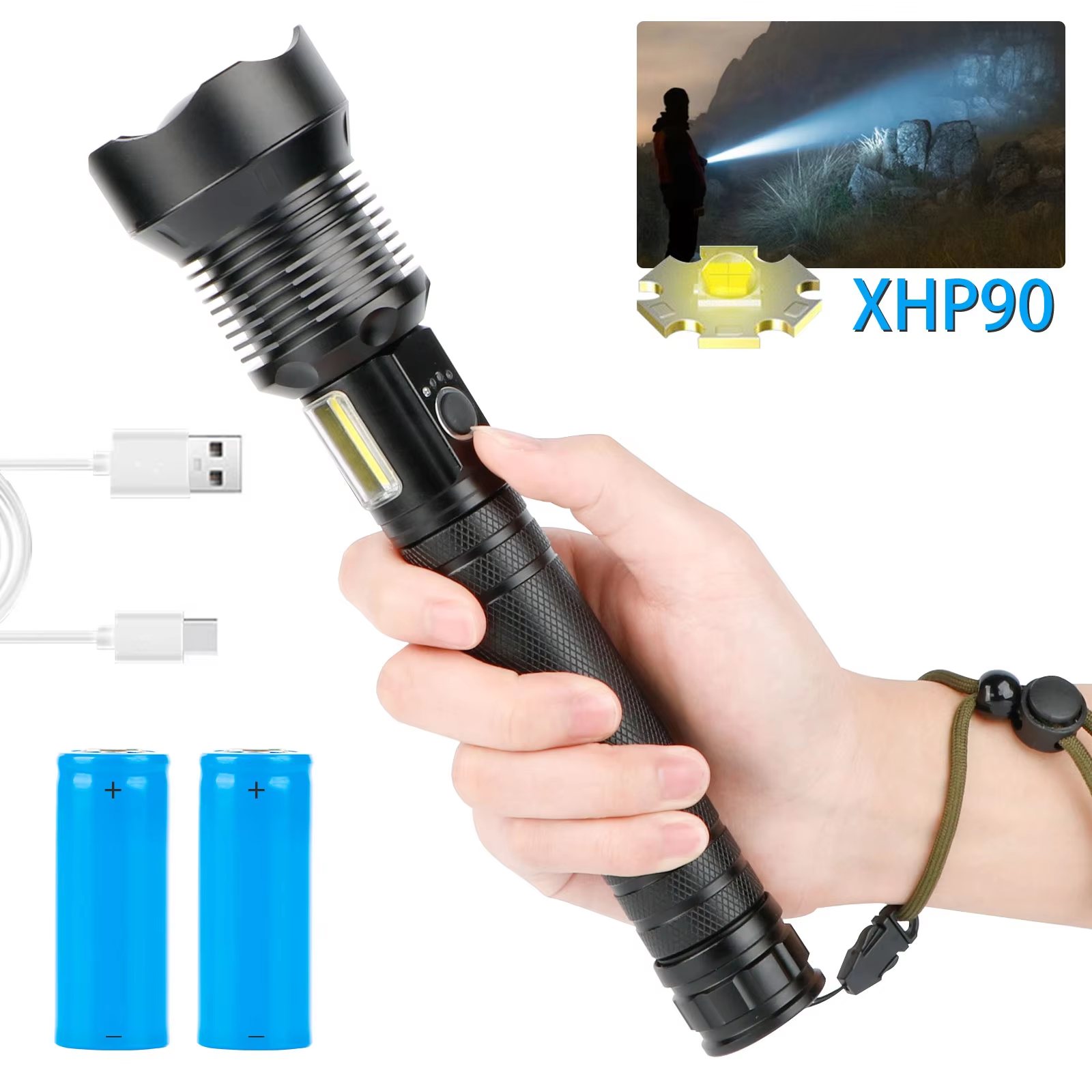
Industrial inspection and maintenance environments demand reliable, high-performance lighting solutions that can operate under extreme conditions. Whether technicians are working inside confined spaces, inspecting structural components in low-light facilities, or conducting nighttime infrastructure assessments, the quality of their lighting tool directly affects the accuracy of their work. A high power flashlight has become one of the most practical and cost-effective tools available for industrial professionals who need dependable illumination in the field.
The short answer to whether a high power flashlight can support industrial inspection and maintenance tasks is a definitive yes — but the conditions, features, and practical applications matter significantly. Not all high power flashlight models are built equally, and understanding what separates an industrial-grade lighting tool from a consumer product helps procurement teams and field technicians make better decisions. This article examines the technical capabilities, real-world use cases, and decision-relevant factors that determine how well a high power flashlight performs in demanding industrial environments.
Understanding the Capabilities of a High Power Flashlight in Industrial Settings
Lumen Output and Long-Range Visibility
One of the most critical factors that determines whether a high power flashlight is suitable for industrial inspection is its lumen output. Industrial environments often involve inspecting pipelines, machinery, overhead structures, and underground installations where standard lighting is either absent or inadequate. A high power flashlight with sufficient lumen output enables technicians to see details at considerable distances, identifying cracks, corrosion, misalignment, or foreign material without requiring close physical access.
Long-range illumination is particularly valuable in facilities such as power plants, oil refineries, warehouses, and shipyards. In these settings, a high power flashlight with a focused beam can project light across tens of meters, allowing inspectors to assess large surfaces, elevated structures, or deep interior cavities with confidence. The ability to zoom or adjust beam width adds another layer of versatility, enabling the user to switch between wide flood lighting for general area assessment and a tight spot beam for pinpointed detail inspection.
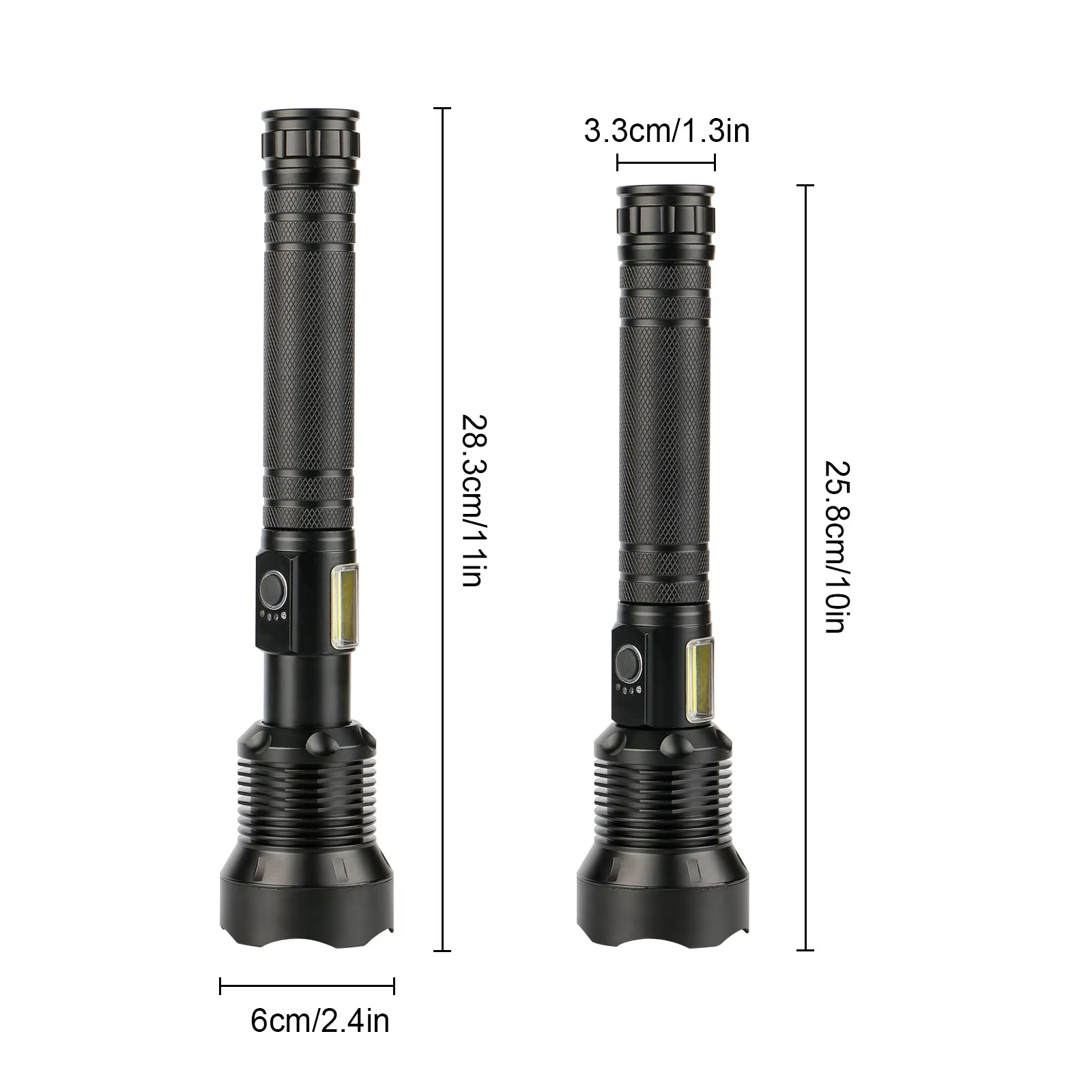
Modern LED technology has dramatically improved the efficiency and intensity of high power flashlight designs. A well-engineered LED torch can deliver thousands of lumens while maintaining a compact, handheld form factor. This combination of power and portability makes the high power flashlight an asset rather than a burden during extended inspection rounds.
Zoomable Beam and Adaptive Lighting Modes
A zoomable high power flashlight offers significant practical advantages in maintenance operations. Technicians frequently transition between tasks that require broad ambient illumination and those requiring a concentrated beam to examine fine components. A fixed-beam flashlight forces users to move physically closer to areas of interest, which is not always possible or safe. Zoomable optics resolve this limitation by allowing the operator to adjust the beam angle without repositioning themselves.
Multiple lighting modes — such as high, medium, low, and strobe — further extend the utility of a high power flashlight during maintenance shifts. Low-power modes conserve battery life during transit or during tasks where maximum brightness is unnecessary, while the full high-power mode is available for critical inspection moments. Strobe or emergency modes, though less frequently used in routine maintenance, serve as useful signaling tools in large industrial facilities where communication between workers may be needed.
Practical Applications Across Industrial Inspection and Maintenance Tasks
Electrical and Mechanical System Inspections
Electrical panels, switchgear rooms, and control cabinets often lack permanent lighting or require workers to inspect components while panels are powered down. In these scenarios, a high power flashlight provides the illumination needed to identify loose connections, burnt components, labeling, or irregularities within dense wiring configurations. The ability to direct a precise beam into tight spaces without casting harsh shadows makes a high power flashlight preferable to overhead lighting in many electrical inspection tasks.
For mechanical maintenance, technicians regularly need to inspect bearings, gearboxes, conveyor systems, and rotating machinery. A high power flashlight allows maintenance personnel to visually assess wear patterns, lubrication conditions, and surface integrity in areas that standard workshop lighting cannot adequately reach. The directional control offered by a handheld high power flashlight gives the technician full control over where light is focused at any given moment, which is especially useful during inspection walkthroughs.
Structural and Civil Infrastructure Assessment
Civil infrastructure inspection — including bridges, tunnels, underground utilities, and building facades — routinely requires lighting tools capable of illuminating large, dark, or enclosed spaces. A high power flashlight with long throw capability is routinely used by civil engineers and maintenance contractors to spot surface cracks, water ingress, corrosion on reinforcement, or joint failures in structures that cannot be fully lit by portable work lights.
Tunnel and underground utility inspections present especially challenging environments where a high power flashlight plays an essential role. In confined drainage systems, underground cable ducts, and subterranean chambers, the high power flashlight serves as the primary light source. Its compact size allows it to be carried through narrow access points while its beam intensity ensures that inspectors can document conditions accurately and safely.
Nighttime or low-visibility inspections of building envelopes, roofing systems, and structural facades also benefit greatly from a high power flashlight. Inspectors can scan large surface areas from safe ground-level positions, identifying anomalies that warrant closer investigation. The extended throw range reduces the number of repositioning steps needed during an inspection, improving overall efficiency.
Key Features That Make a High Power Flashlight Suitable for Industrial Use
Durability, Build Quality, and Resistance Ratings
An industrial environment is inherently harsh. Dust, moisture, vibration, accidental drops, and temperature fluctuations are everyday realities. A high power flashlight intended for industrial use must be constructed from durable materials — typically aircraft-grade aluminum alloy — that can withstand physical abuse without compromising optical or electronic performance. The build quality of the body, lens housing, and switching mechanism directly determines the service life of the tool under industrial conditions.
Impact resistance and water resistance ratings are particularly important when selecting a high power flashlight for maintenance work. Tools used in outdoor infrastructure inspections or in wet processing environments need to resist both physical impact and moisture intrusion. A high power flashlight that meets recognized resistance standards gives procurement teams and safety officers the confidence that the tool will continue to perform reliably across diverse job site conditions.
Power Source, Charging Convenience, and Battery Management
For industrial and maintenance teams operating across multiple shifts, the convenience of charging a high power flashlight matters as much as its battery capacity. Type-C charging compatibility has become a meaningful advantage in modern high power flashlight designs, allowing workers to recharge using the same cables as their other mobile devices. This reduces the need to carry multiple charger types on site and shortens the time required to get tools back into service.
A power display feature further enhances operational reliability by giving users real-time visibility into remaining battery capacity. Rather than discovering a depleted battery mid-inspection, technicians can check the power level before beginning a task and make informed decisions about whether to recharge or deploy additional backup units. For inspection and maintenance scheduling purposes, this feature supports better planning and reduces unplanned work stoppages caused by equipment failure.
The combination of high-capacity rechargeable batteries, Type-C fast charging, and an integrated power display makes a high power flashlight a genuinely professional-grade tool. These features collectively address the operational demands of industrial environments where downtime has real financial consequences.
Limitations and Conditions to Consider Before Deployment
Task Suitability and Environmental Constraints
While a high power flashlight excels across a wide range of industrial inspection and maintenance tasks, it is not a universal replacement for all lighting solutions. Tasks requiring both hands free — such as work at height or confined space entry with tool requirements — may be better served by head-mounted lighting. However, in many inspection scenarios, a high power flashlight remains the preferred primary tool due to its superior lumen output and directional precision.
Explosive or flammable atmosphere environments require intrinsically safe lighting equipment that carries specific hazardous area certifications. In such environments, a standard high power flashlight, regardless of its build quality, may not be permitted unless it carries the appropriate safety classification. Procurement teams working in petrochemical, mining, or gas processing sectors should verify certification requirements before deploying any high power flashlight in classified zones.
Operator Training and Proper Use Practices
Even the most capable high power flashlight delivers limited value if operators are not trained to use it effectively. Industrial inspection training should include guidance on beam adjustment, power management, appropriate grip techniques during extended use, and maintenance of the tool itself. A high power flashlight that is properly maintained — with clean optics, functional switching mechanisms, and regularly serviced battery contacts — will consistently outperform a neglected unit of higher specification.
Organizations that incorporate the high power flashlight into standardized inspection kits and maintenance protocols typically see better outcomes in terms of defect detection rates and worker efficiency. When the high power flashlight is treated as a precision instrument rather than a commodity item, its contribution to inspection quality becomes significantly more measurable.
FAQ
What lumen output is recommended for industrial inspection tasks?
For most industrial inspection and maintenance applications, a high power flashlight delivering between 1000 and 5000 lumens provides adequate illumination for both close-range detail work and long-range structural assessment. The appropriate output level depends on the specific task, ambient lighting conditions, and the distances involved. Zoomable models allow operators to concentrate available lumens where they are most needed, making effective use of the available output regardless of the specification level.
Can a high power flashlight replace fixed work lighting on industrial job sites?
A high power flashlight is best understood as a complement to fixed or portable work lighting rather than a direct replacement. It excels in directional, targeted illumination and in situations where fixed lighting cannot be practically deployed. For sustained area lighting during extended maintenance operations, portable work lights or string lighting systems remain more appropriate. The high power flashlight fills the critical gap between stationary lighting infrastructure and the mobile, precision needs of inspection personnel.
How does Type-C charging benefit industrial maintenance teams?
Type-C charging compatibility means that a high power flashlight can be recharged using the same widely available cables used for smartphones, tablets, and other modern devices. For industrial teams operating in the field or across multiple facilities, this eliminates the need to carry flashlight-specific chargers and simplifies the logistics of keeping equipment powered. The fast-charging capability of Type-C connections also reduces turnaround time between inspection shifts, improving overall operational efficiency.
Is a zoomable high power flashlight more effective than a fixed-beam model for inspection work?
In most inspection and maintenance contexts, a zoomable high power flashlight offers clear advantages over a fixed-beam alternative. The ability to transition between a wide flood beam for general orientation and a focused spot beam for detailed examination gives the operator significantly more flexibility without requiring additional equipment. Fixed-beam models may offer marginally simpler construction, but the versatility of a zoomable high power flashlight typically delivers greater practical value across the varied demands of industrial inspection work.
Table of Contents
- Understanding the Capabilities of a High Power Flashlight in Industrial Settings
- Practical Applications Across Industrial Inspection and Maintenance Tasks
- Key Features That Make a High Power Flashlight Suitable for Industrial Use
- Limitations and Conditions to Consider Before Deployment
-
FAQ
- What lumen output is recommended for industrial inspection tasks?
- Can a high power flashlight replace fixed work lighting on industrial job sites?
- How does Type-C charging benefit industrial maintenance teams?
- Is a zoomable high power flashlight more effective than a fixed-beam model for inspection work?
