 EN

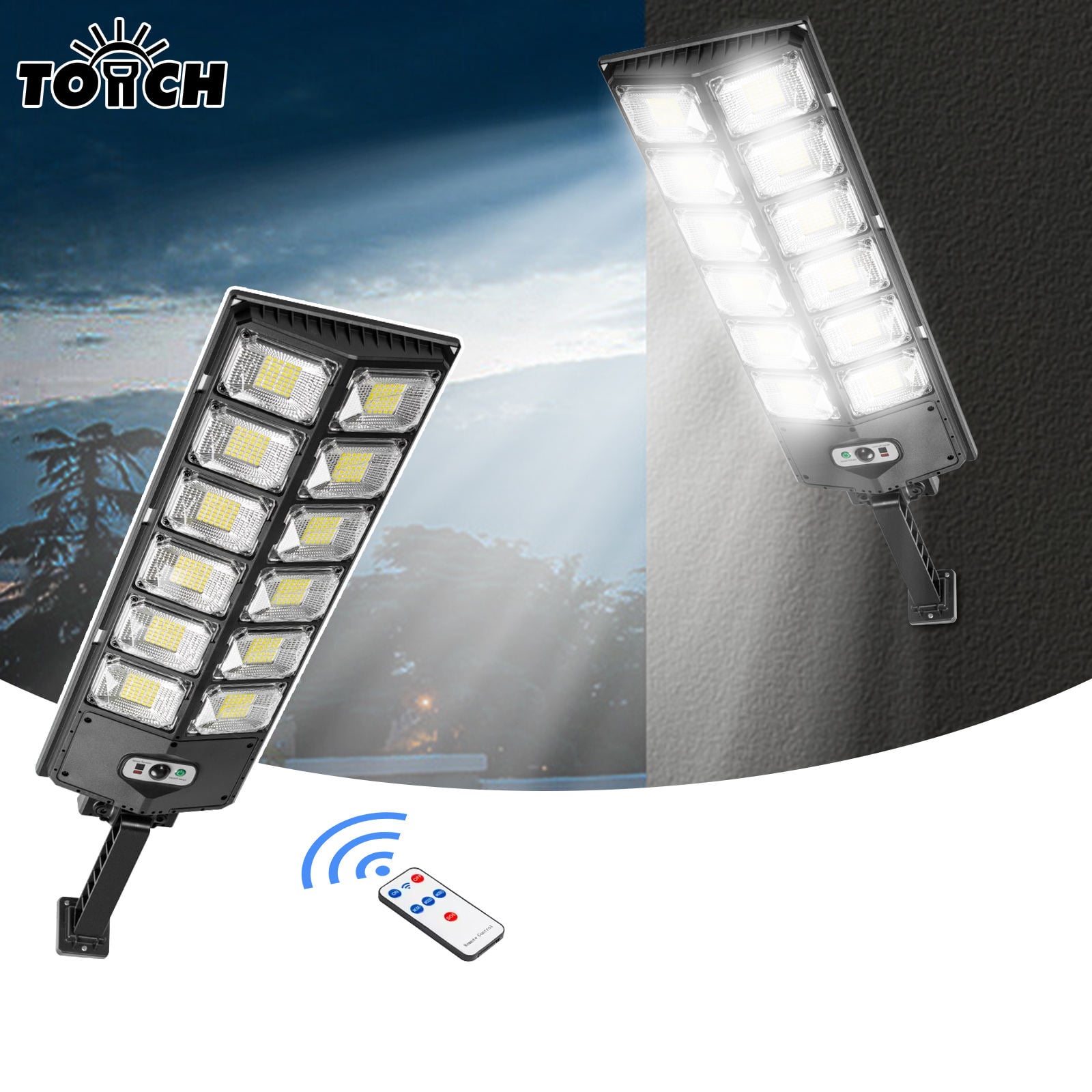
Solar wall lights have become increasingly popular for outdoor lighting, offering an eco-friendly and cost-effective solution for gardens, patios, garages, and pathways. Many property owners wonder whether solar wall lights can truly withstand the demanding conditions of outdoor environments across different seasons and climates. The durability and longevity of solar wall lights depend on several critical factors, including construction quality, weather-resistant materials, battery capacity, and proper installation.
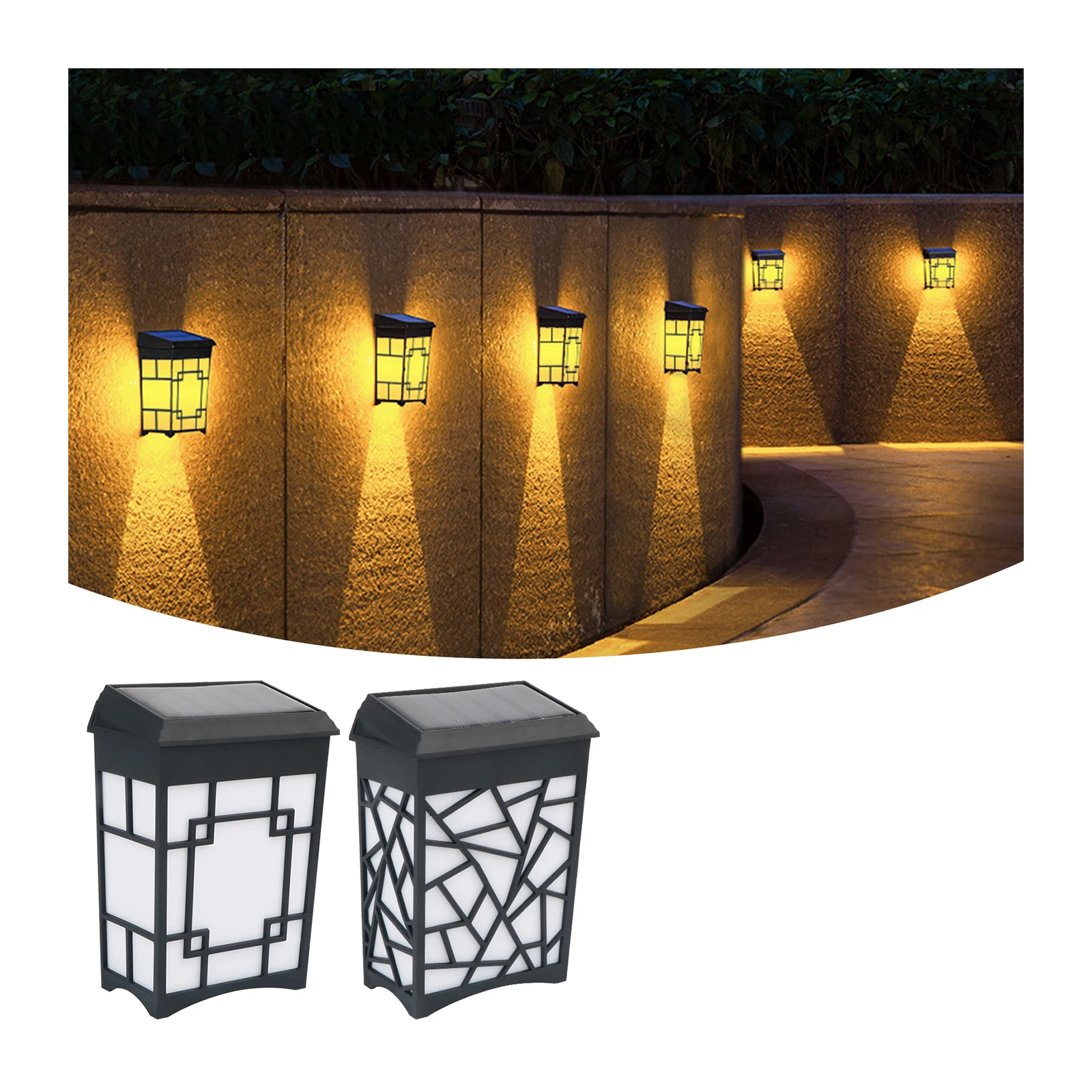
Understanding how solar wall lights perform under various weather conditions is essential before investing in outdoor lighting solutions. Whether you live in regions with intense rainfall, extreme temperatures, snow, or prolonged cloudy seasons, your solar wall lights must be engineered to handle these challenges while maintaining consistent performance throughout their operational lifespan.
Weather Resistance and Material Construction
Waterproof Rating and Sealing Standards
Quality solar wall lights feature waterproof ratings such as IP65 or higher, which indicates protection against water jets from any direction and complete dust protection. Solar wall lights with robust sealing mechanisms ensure that moisture cannot penetrate the battery compartment, solar panel connection points, or the LED housing. These solar wall lights employ silicone gaskets, stainless steel fasteners, and UV-resistant plastic housings to create protective barriers against rain, snow, and humidity.
The integrity of solar wall lights depends on meticulous manufacturing processes that eliminate gaps where water could accumulate. Premium solar wall lights undergo rigorous factory testing to verify waterproof performance before shipment. When selecting solar wall lights for long-term use, confirm that the product has achieved recognized waterproof certifications relevant to your geographic climate zone.
Material Durability and UV Protection
Solar wall lights must resist ultraviolet radiation that degrades plastic components over extended outdoor exposure. High-quality solar wall lights use UV-stabilized polycarbonate, acrylic, or aluminum frames that maintain structural integrity despite years of direct sunlight. Materials used in solar wall lights should not become brittle, discolored, or weakened by seasonal temperature fluctuations between freezing winters and scorching summers.
The lens and diffuser elements in solar wall lights require special treatment to prevent yellowing and cloudiness that reduces light output efficiency. Corrosion-resistant coatings on solar wall lights metal components prevent rust formation in humid, coastal, or high-precipitation environments. Investing in solar wall lights constructed from premium materials ensures reliable long-term performance across challenging weather scenarios.
Battery Performance Across Temperature Extremes
Cold Weather Operation and Battery Capacity
Solar wall lights utilize lithium or nickel-metal hydride batteries that behave differently in cold climates. In freezing temperatures, the chemical reaction rates within batteries slow dramatically, reducing available energy and charging efficiency for solar wall lights. Despite these challenges, modern solar wall lights incorporate battery technologies specifically formulated to maintain functionality down to minus twenty degrees Celsius or lower in winter conditions.
Solar wall lights designed for cold regions feature insulated battery compartments and low-temperature charging controllers that prevent damage during repeated freeze-thaw cycles. The performance of solar wall lights may temporarily decrease during extended winter periods with limited daylight, but the batteries should recover their full capacity once temperatures moderate and solar charging resumes. Premium solar wall lights maintain sixty to eighty percent of their summer brightness even during harsh winter months with reduced solar availability.
Heat Stress and Overcharging Protection
Extreme heat accelerates battery degradation in solar wall lights, potentially reducing lifespan by fifty percent or more if batteries repeatedly overheat. Quality solar wall lights incorporate thermal management systems and charging regulators that prevent battery overcharging during intense summer heat. These protective mechanisms in solar wall lights ensure batteries operate within safe temperature windows, typically between zero and sixty degrees Celsius, to preserve long-term capacity and prevent premature failure.
Solar wall lights mounted in direct sunlight during summer months experience elevated internal temperatures that require adequate heat dissipation design. The battery management system in modern solar wall lights monitors temperature levels and automatically adjusts charging rates to prevent thermal stress. Choosing solar wall lights with integrated thermal protection ensures reliable operation throughout hot seasons without compromising battery longevity.
Seasonal Weather Challenges and Long-Term Reliability
Heavy Rain, Snow, and Moisture Management
Solar wall lights in high-rainfall regions face constant moisture exposure that demands exceptional sealing and drainage design. Water drainage channels built into quality solar wall lights direct accumulated moisture away from critical components, preventing pooling and corrosion damage. The solar panel surface of effective solar wall lights includes hydrophobic coatings that cause water to bead and roll away rather than forming a residual film that blocks sunlight.
Snow accumulation on solar wall lights reduces solar charging efficiency, but the dark color of many solar wall lights causes snow to melt faster than surfaces painted white or silver. Well-engineered solar wall lights feature angled mounting brackets that encourage snow and ice to slide off naturally rather than accumulate on the panel. In regions with severe winter weather, periodic cleaning of solar wall lights ensures consistent charging performance when seasonal snow and ice melt.
Wind Exposure and Structural Stability
Solar wall lights must withstand wind forces that could bend mounts, loosen fasteners, or crack housings if inadequately designed. Robust solar wall lights employ stainless steel brackets, reinforced attachment points, and aerodynamic shapes that minimize wind resistance while maintaining structural integrity. Testing protocols for quality solar wall lights include wind load simulation at speeds exceeding one hundred kilometers per hour to verify real-world stability in storms.
The mounting hardware of dependable solar wall lights uses corrosion-resistant materials and precise engineering to distribute stress across multiple contact points rather than concentrating force on single fasteners. Periodic inspection of solar wall lights mounts ensures fasteners remain tight throughout their operational lifespan. Solar wall lights designed to endure coastal environments with high salinity air require galvanized fasteners and specialized protective coatings.
FAQ
How long do solar wall lights typically last in outdoor weather conditions?
Quality solar wall lights can operate effectively for five to seven years or longer with proper maintenance and adequate weather protection. Battery replacement may be necessary after three to four years of continuous use, depending on climate severity and charging cycles. Solar wall lights constructed from premium materials and featuring robust sealing often exceed manufacturer expectations when installed correctly and maintained regularly.
Can solar wall lights work during cloudy seasons or in regions with limited sunlight?
Solar wall lights function during cloudy periods because they charge from diffuse light, not just direct sunlight, though charging efficiency decreases significantly. In extremely cloudy regions with prolonged overcast conditions, solar wall lights may provide reduced brightness or shorter illumination periods. Modern solar wall lights with high-capacity batteries and advanced solar panels maintain acceptable performance even in climate zones with limited annual sunshine hours.
What maintenance do solar wall lights require to ensure long-term durability in harsh weather?
Regular cleaning of solar wall lights panels removes dust, pollen, and debris that blocks sunlight and reduces charging efficiency. Checking fasteners and seals on solar wall lights twice annually prevents water ingress and structural movement caused by temperature fluctuations. Most solar wall lights require minimal maintenance beyond periodic cleaning and occasional battery replacement to maintain optimal performance throughout their lifespan in challenging outdoor environments.
