 EN

Solar wall lights have become an increasingly popular choice for outdoor installations, offering homeowners and businesses an energy-efficient lighting solution that reduces electricity costs while enhancing outdoor aesthetics. However, the longevity and performance of solar wall lights depend on multiple interconnected factors that determine whether these installations will deliver reliable illumination year after year. Understanding what influences the durability of solar wall lights is essential for making informed purchasing decisions and ensuring your outdoor lighting system remains functional through various weather conditions and seasonal changes.
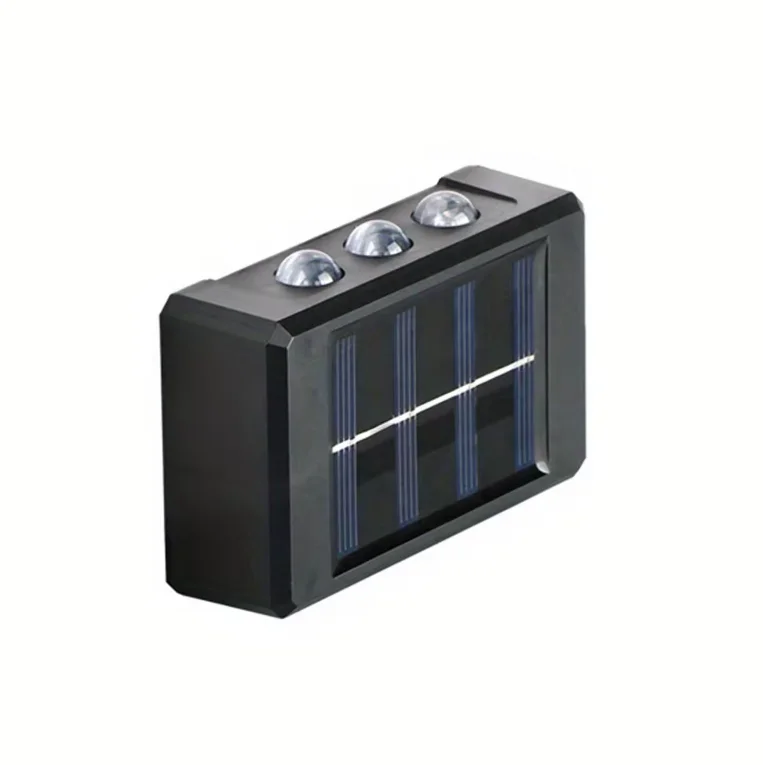
The durability of solar wall lights in outdoor environments is shaped by material quality, environmental exposure, design specifications, and maintenance practices. Each factor plays a critical role in extending the lifespan of your solar wall lights and preventing premature failure or performance degradation. By examining these key durability factors, property owners can select solar wall lights that better withstand harsh outdoor conditions and maintain consistent performance throughout their operational lifetime.
Material Composition and Build Quality
Housing and Enclosure Materials
The protective housing of solar wall lights determines how well the internal components resist environmental damage and degradation. High-quality solar wall lights typically use durable materials such as stainless steel, aluminum alloy, or reinforced polymer compounds that resist corrosion, rust, and UV degradation. When solar wall lights are constructed from substandard materials, they become vulnerable to moisture infiltration, electrical failures, and physical deterioration. Premium solar wall lights feature robust enclosures with tight seals that prevent water ingress during heavy rains or extreme weather events. The thickness and density of the housing material directly influence how long your solar wall lights will maintain structural integrity and weathertight protection in outdoor environments.
Battery and Photovoltaic Panel Quality
The internal battery and photovoltaic panel are critical durability determinants for solar wall lights performance. High-capacity lithium-ion or NiMH batteries used in quality solar wall lights offer superior cycle life compared to cheaper alternatives, allowing them to endure hundreds or thousands of charge-discharge cycles without significant capacity loss. The photovoltaic cells in durable solar wall lights maintain consistent power conversion efficiency even after prolonged sun exposure and temperature fluctuations. Inferior solar wall lights often contain low-grade batteries that degrade rapidly, losing charging capacity within one to two seasons. Premium solar wall lights incorporate advanced battery management systems that protect against overcharging, deep discharge, and thermal stress, thereby extending the functional lifespan of the energy storage component.
Environmental Exposure and Weather Resistance
Temperature Extremes and Thermal Cycling
Temperature variations play a substantial role in determining durability of solar wall lights across different climates. Extreme heat causes components within solar wall lights to expand, while cold temperatures create contraction, leading to stress on solder joints, seals, and internal connections. Solar wall lights designed for harsh climates incorporate materials that withstand thermal cycling without cracking or losing structural integrity. In regions with significant seasonal temperature swings, inferior solar wall lights often fail during the first winter or summer due to material brittleness or sealant degradation. Quality solar wall lights are engineered to operate safely across temperature ranges typically from minus ten degrees Celsius to sixty degrees Celsius or beyond. The thermal management properties of the housing and internal components directly influence how effectively solar wall lights maintain performance during temperature extremes.
Moisture and Corrosion Resistance
Moisture exposure represents one of the most significant durability threats to solar wall lights in outdoor installations. Rain, fog, dew, and humidity create conditions where water can penetrate even tiny gaps in protective seals, leading to electrical shorts, corrosion of metal components, and battery degradation. High-quality solar wall lights feature IP65 or higher waterproof ratings, indicating they can withstand sustained water jets and immersion without damage. The materials used in durable solar wall lights resist corrosion from salt spray, acidic moisture, and mineral deposits common in coastal or agricultural regions. Poor-quality solar wall lights lack adequate waterproofing, allowing moisture to accumulate inside the fixture and accelerate failure of the battery, LED, and control circuitry. Stainless steel hardware and corrosion-resistant coatings on solar wall lights provide additional protection against oxidation and surface degradation, ensuring the fixture maintains both function and appearance over extended periods.
Design Features and Engineering Specifications
Photovoltaic Efficiency and Charging Capacity
The photovoltaic panel size and efficiency directly impact how effectively solar wall lights charge during daylight hours, which determines the brightness and runtime available during night operation. Solar wall lights with larger surface areas and higher-efficiency photovoltaic cells accumulate more energy even during cloudy weather or in partially shaded locations. This charging capacity becomes particularly important during winter months when daylight hours are limited. Solar wall lights engineered with high-efficiency panels can maintain adequate performance even in suboptimal conditions, extending the practical lifespan of the installation. Inadequately sized or inefficient solar wall lights fail to accumulate sufficient energy, resulting in dimmer nighttime illumination and reduced operational hours. The design choice to include larger battery storage in conjunction with efficient photovoltaic panels ensures that solar wall lights continue functioning reliably across all seasons and weather patterns.
LED Technology and Light Output Consistency
The light-emitting diode technology integrated into solar wall lights determines brightness levels, color rendering, and lifespan of the lighting output. High-quality solar wall lights use premium LED chips that maintain consistent brightness throughout their operational life, typically rated for twenty thousand to fifty thousand hours. Over time, solar wall lights with inferior LED technology experience progressive dimming or color shift, indicating component degradation. Modern solar wall lights incorporate intelligent brightness management systems that optimize power consumption while maintaining adequate illumination levels. The LED driver circuitry in well-engineered solar wall lights protects the light source from voltage fluctuations and thermal stress. Solar wall lights designed with thermal management features prevent excessive heat buildup that would otherwise shorten LED lifespan and degrade optical performance. Proper thermal design in solar wall lights ensures that light output remains stable and reliable throughout years of continuous operation.
Maintenance Practices and Installation Considerations
Regular Cleaning and Care Protocols
The durability of solar wall lights can be significantly extended through regular maintenance and proper care. Dust, pollen, bird droppings, and dirt accumulate on the photovoltaic panels of solar wall lights, reducing their ability to absorb sunlight and generate electrical current. Periodic cleaning of the solar panel surface ensures that solar wall lights maintain peak charging efficiency and operational performance. The protective lens covering the LED in solar wall lights should also be cleaned regularly to prevent light output reduction. Inspection for signs of moisture infiltration, corrosion, or physical damage helps identify problems with solar wall lights before they cause complete failure. Simple maintenance practices applied to solar wall lights can extend their operational lifespan by several years, maximizing return on investment in outdoor solar lighting infrastructure.
Installation Location and Mounting Integrity
Where and how solar wall lights are installed significantly influences their long-term durability and performance reliability. Solar wall lights installed in locations with maximum daylight exposure charge more efficiently, while shaded installations result in inadequate energy storage and poor nighttime illumination. Proper mounting of solar wall lights to ensure stable attachment prevents vibration-related damage and mechanical stress on internal components. Solar wall lights positioned to minimize direct wind exposure experience less physical stress and vibration that could gradually loosen connections or degrade seals. Installations that allow adequate airflow around solar wall lights promote better thermal management and reduce moisture accumulation risk. The angle and orientation of solar wall lights relative to the sun's path throughout the day determines daily energy capture. Careful placement of solar wall lights during the installation phase directly impacts years of reliable performance and minimizes premature failure.
FAQ
How does waterproof rating affect solar wall lights durability?
Waterproof ratings such as IP65 indicate the level of protection solar wall lights provide against water infiltration. Higher IP ratings mean solar wall lights can resist sustained water spray and temporary immersion without damage. Solar wall lights with poor waterproof ratings allow moisture to penetrate internal components, causing corrosion, electrical faults, and battery failure. Investing in solar wall lights with appropriate waterproof ratings for your climate ensures the lighting system remains protected against rain, condensation, and environmental moisture throughout its operational lifespan.
What is the typical lifespan of solar wall lights?
Quality solar wall lights typically function effectively for five to ten years or longer when properly maintained and installed in suitable conditions. The lifespan of solar wall lights depends heavily on battery quality, environmental exposure, and maintenance practices. Solar wall lights in harsh climates or with inadequate care may fail within two to three years, while premium installations in favorable conditions can exceed ten years. The photovoltaic panels in solar wall lights generally outlast the battery, which becomes the primary component requiring eventual replacement as it loses charging capacity over time.
Can solar wall lights perform well in cloudy climates?
Solar wall lights can function in cloudy climates, but their performance and duration depend on battery capacity and photovoltaic panel efficiency. Solar wall lights designed specifically for low-light environments feature larger panels and greater battery storage to compensate for reduced daily sun exposure. In consistently overcast regions, solar wall lights may provide shorter nighttime operation or dimmer illumination compared to installations in sunnier locations. Selecting solar wall lights with high-efficiency panels and substantial battery capacity ensures adequate performance even in challenging weather conditions typical of cloudy climates.
