 EN
EN

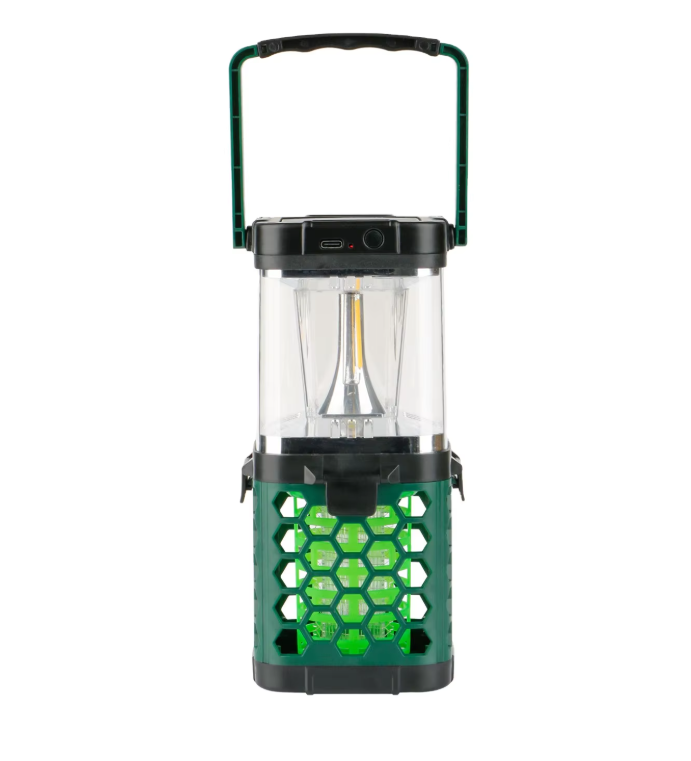
A modern rechargeable flashlight system offers tremendous convenience and cost savings compared to disposable battery alternatives, yet many users experience inconsistent charging performance without understanding why. The efficiency of any rechargeable flashlight charging process depends on multiple interconnected factors that directly impact how quickly your device charges, how long it holds power, and the overall lifespan of the system. Understanding these factors helps you maximize performance, avoid premature battery degradation, and ensure your rechargeable flashlight delivers reliable illumination when you need it most.

The charging efficiency of your rechargeable flashlight directly affects its practical utility and long-term ownership costs. When charging efficiency drops, you spend more time waiting for full charge, consume more electrical energy, generate excess heat, and reduce the battery's useful lifespan. By identifying and optimizing the key variables that influence how your rechargeable flashlight accepts and stores electrical energy, you can dramatically improve your device's reliability and performance across demanding applications in emergency response, outdoor exploration, professional fieldwork, and tactical situations.
Battery Type and Chemistry Impact on Charging Performance
Lithium-Ion Versus Other Battery Technologies
The battery chemistry inside your rechargeable flashlight fundamentally determines charging efficiency characteristics. Lithium-ion batteries, the dominant technology in premium rechargeable flashlight systems, achieve superior charging speeds and energy density compared to older nickel-cadmium or nickel-metal hydride cells. Modern lithium-ion rechargeable flashlight batteries support rapid charging protocols that safely deliver high current without overheating, whereas legacy battery types require conservative charging rates to prevent damage. The internal resistance of lithium-ion cells is considerably lower, meaning less electrical energy converts to waste heat during charging cycles.
Battery Capacity and Internal Resistance
A rechargeable flashlight with higher capacity cells does not necessarily charge faster, because charging efficiency also depends on the battery's internal resistance rating. Two identical rechargeable flashlight models with the same voltage but different amp-hour ratings may charge at different speeds if their internal resistance differs. The internal resistance of the cells in your rechargeable flashlight creates a resistance-induced voltage drop that limits the charging current the battery can safely accept. Premium rechargeable flashlight manufacturers select battery cells with optimized internal resistance profiles that balance capacity, charging speed, and thermal stability.
Charger Specifications and Quality Standards
Charger Output Specifications and Compatibility
The charger you use dramatically influences how efficiently your rechargeable flashlight accepts electrical current. A rechargeable flashlight charger rated for insufficient output current will charge slowly and generate heat inefficiently, while a charger with excessive output voltage risks damaging the battery cells. The optimal charger for your rechargeable flashlight system provides a constant current phase at the manufacturer's recommended amperage, then transitions to constant voltage mode as the battery approaches full charge. This two-stage charging algorithm is essential for maximizing the efficiency of any rechargeable flashlight battery system.
Charger Circuit Quality and Protection Features
Budget-quality chargers often lack proper circuit protection, temperature monitoring, and current regulation, which forces your rechargeable flashlight battery to work harder and waste more energy as heat. Premium chargers designed specifically for rechargeable flashlight applications include microprocessor-controlled charging algorithms that monitor battery voltage, temperature, and charge state in real time. A well-designed charger for your rechargeable flashlight reduces charging losses by 15 to 25 percent compared to basic chargers by optimizing the current and voltage profile throughout the entire charging cycle. Investing in a quality charger is often more important for rechargeable flashlight performance than the flashlight itself.
Environmental Factors and Operating Conditions
Temperature Effects on Charging Efficiency
Temperature is arguably the single most critical external factor affecting how efficiently your rechargeable flashlight battery accepts charge. Cold environments cause the electrolyte inside rechargeable flashlight cells to become more viscous, increasing internal resistance and slowing the charging process dramatically. Conversely, charging your rechargeable flashlight in hot environments accelerates chemical reactions and can cause permanent damage to battery structure if temperatures exceed the manufacturer's specifications. The ideal charging temperature range for most rechargeable flashlight systems is between 15 and 35 degrees Celsius; charging outside this window significantly reduces efficiency and battery lifespan.
Humidity, Storage Conditions, and Battery Age
High humidity can corrode the charging contacts on your rechargeable flashlight, forcing the charger to work harder to establish good electrical connection and reducing overall efficiency. Extended storage of a discharged rechargeable flashlight battery causes gradual capacity loss and increased internal resistance, which means an older rechargeable flashlight will charge more slowly than a new unit even if the charger and environmental conditions remain identical. Keeping your rechargeable flashlight stored at 40 to 60 percent charge in a cool, dry environment helps maintain optimal charging efficiency over months or years of storage between uses. Age-related degradation affects all batteries, but proper storage practices significantly slow the efficiency decline of your rechargeable flashlight system.
Battery Maintenance and Usage Patterns
Charge Cycle Management and Battery Memory Effects
Modern lithium-ion cells in your rechargeable flashlight do not suffer from 'memory effect' like older battery technologies, but they do degrade gradually with every charge cycle. A rechargeable flashlight that is fully discharged and recharged repeatedly will show slower charging speeds after hundreds of cycles compared to a rechargeable flashlight that is regularly recharged from 20 to 30 percent capacity. Partial discharge cycles preserve the charging efficiency of your rechargeable flashlight far longer than complete discharge-to-full-recharge patterns. Industry testing shows that a well-maintained rechargeable flashlight system retains 80 percent of its original charging efficiency after 500 to 1000 partial cycles, whereas aggressive full-discharge cycling degrades efficiency much faster.
Contact Cleanliness and Cable Condition
Corroded charging contacts and damaged charging cables are often overlooked reasons why a rechargeable flashlight charges slowly or inconsistently. Dust, salt residue, or oxidation on the metal contacts between your rechargeable flashlight and charger increases electrical resistance and forces the charger to deliver higher voltage to achieve the same current flow, reducing overall efficiency. Periodically cleaning the charging contacts on your rechargeable flashlight with a soft cloth or specialized contact cleaner restores efficiency by 10 to 20 percent in many cases. A damaged or low-quality charging cable causes the same energy losses as a poor charger, so maintaining cable integrity is equally critical for your rechargeable flashlight system performance.
FAQ
What is the optimal charging temperature for a rechargeable flashlight system?
The optimal charging temperature for most rechargeable flashlight batteries ranges between 15 and 35 degrees Celsius (59 to 95 degrees Fahrenheit). Charging your rechargeable flashlight outside this temperature window reduces efficiency, increases charging time, and accelerates battery degradation. Never charge a rechargeable flashlight that feels hot to the touch, and avoid charging in freezing conditions or direct sunlight. Most modern chargers include thermal protection that slows or stops charging if the battery overheats, but this protection mechanism itself reduces charging efficiency compared to operating within the ideal temperature range.
How does a low-quality charger affect rechargeable flashlight performance?
A low-quality charger can reduce the charging efficiency of your rechargeable flashlight by 20 to 40 percent compared to a premium charger. Budget chargers often lack proper voltage regulation and temperature monitoring, forcing your rechargeable flashlight battery to work harder and waste energy as heat. This excessive heat generation accelerates chemical degradation inside the battery, reducing the total number of useful charge cycles your rechargeable flashlight will experience over its lifetime. Investing in a charger specifically designed for your rechargeable flashlight model pays dividends through improved performance, faster charging, and extended battery lifespan.
Can storing a rechargeable flashlight fully discharged damage charging efficiency?
Yes, storing a rechargeable flashlight in a fully discharged state causes gradual capacity loss and increased internal resistance, which reduces charging efficiency over time. Storing your rechargeable flashlight at 40 to 60 percent charge level maintains optimal battery chemistry balance and slows degradation significantly. If you must store a rechargeable flashlight for extended periods, recharge it to the recommended storage level, place it in a cool and dry location, and perform a refresh charge every few months to maintain peak performance and charging efficiency.
