 EN
EN

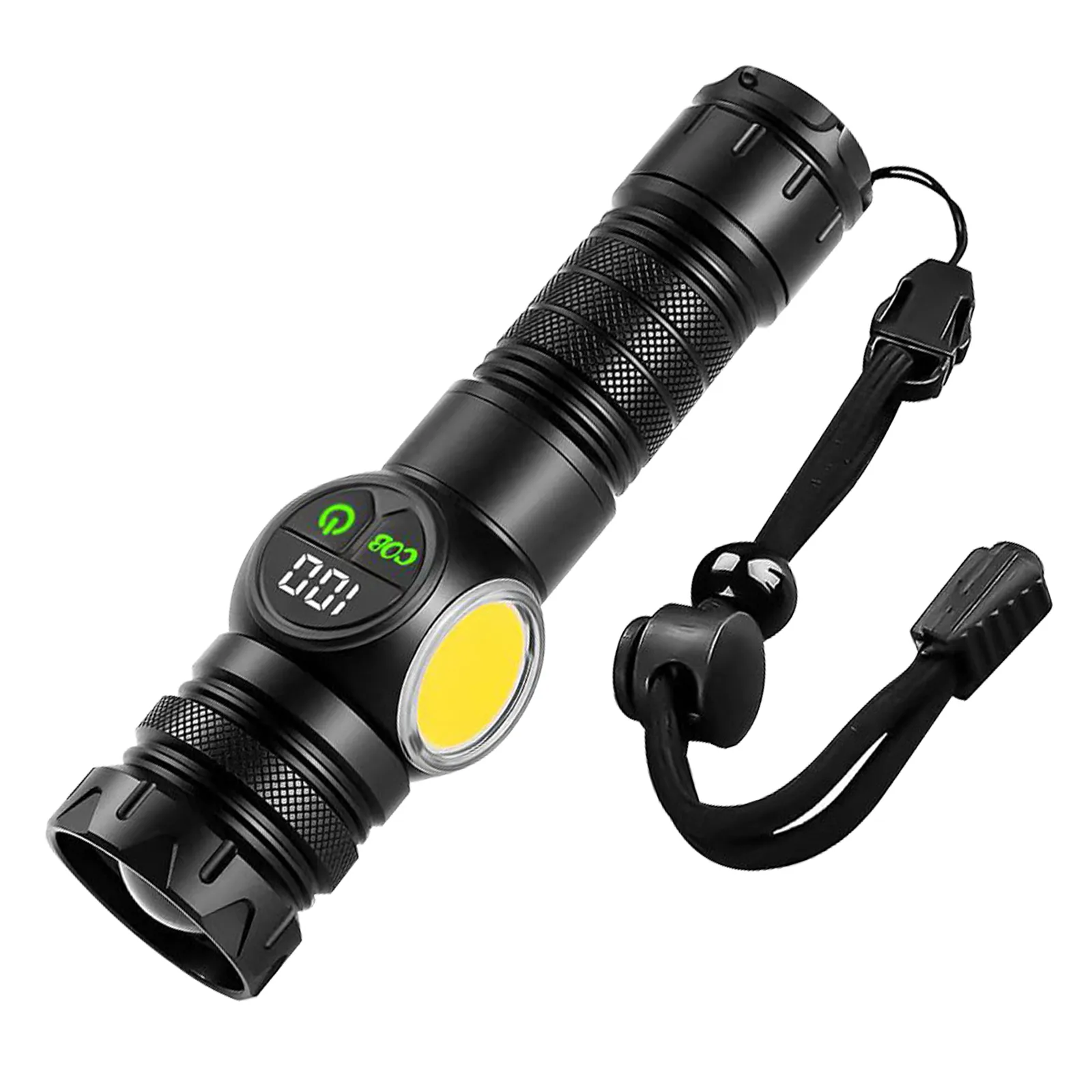
Industrial work environments demand tools that can withstand demanding conditions and maintain consistent performance throughout extended shifts. A rechargeable flashlight has become an essential piece of equipment for professionals working in construction, mining, maintenance, and emergency response sectors. The central question for many industrial operators is whether a modern rechargeable flashlight can truly support continuous use in harsh workplace environments without compromising reliability or safety. Understanding the capabilities and limitations of contemporary rechargeable flashlight technology helps facility managers and workers make informed purchasing decisions that align with operational requirements.

Today's rechargeable flashlight designs have evolved significantly from earlier models, incorporating advanced LED technology, improved battery chemistry, and reinforced construction materials. Industrial-grade rechargeable flashlight systems now offer extended runtime, faster charging cycles, and enhanced durability that directly address the demands of continuous-duty applications. This article examines whether a rechargeable flashlight meets the stringent requirements of industrial settings and explores the key factors that determine performance reliability during extended operational periods.
Battery Performance and Runtime Capacity
Extended Runtime for Continuous Industrial Use
A professional-grade rechargeable flashlight designed for industrial environments typically features lithium-ion or advanced lithium polymer battery cells that deliver sustained power output over extended periods. When properly engineered, a rechargeable flashlight can maintain consistent brightness levels for 8 to 12 hours of continuous operation, though actual runtime depends heavily on brightness setting, battery capacity, and LED efficiency. Industrial sectors requiring around-the-clock operations benefit from rechargeable flashlight systems that support quick charging protocols, enabling operators to swap batteries or recharge during shift transitions without workflow interruption.
Battery Degradation and Cycle Life Considerations
Industrial environments expose a rechargeable flashlight to temperature fluctuations, humidity, vibration, and physical stress that can accelerate battery degradation over time. A quality rechargeable flashlight manufactured with thermal management systems and protective charging circuitry experiences slower capacity loss, often maintaining 80 percent of original capacity after 500 to 1000 charge cycles. Regular maintenance protocols, proper storage practices, and appropriate temperature management significantly extend the lifespan of a rechargeable flashlight battery, making long-term continuous use both feasible and cost-effective for industrial operations.
Durability and Environmental Resistance
Construction Materials and Impact Resistance
Industrial-duty rechargeable flashlight models incorporate aluminum alloy or reinforced polymer housings that withstand drops, impacts, and rough handling inherent to construction sites, factories, and emergency response scenarios. A rugged rechargeable flashlight typically meets military or industrial durability standards, surviving falls from elevated heights and resisting deformation under load-bearing conditions. The tactical design of a premium rechargeable flashlight includes reinforced bezels, shockproof internals, and sealed compartments that protect electronic components from physical damage while maintaining operational integrity across demanding work environments.
Moisture and Chemical Exposure Protection
A professional rechargeable flashlight designed for continuous industrial use features comprehensive sealing systems, often achieving IP65 or higher waterproof ratings that prevent moisture ingress during wet conditions, flood scenarios, or chemical exposure environments. The rechargeable flashlight's sealed battery compartment, reinforced charging port covers, and corrosion-resistant connectors ensure reliable operation in shipyards, offshore platforms, mining operations, and chemical processing facilities. This level of environmental resistance makes a modern rechargeable flashlight viable for industries where traditional alkaline lights would fail prematurely due to moisture damage or corrosive atmospheric conditions.
Reliability and Maintenance Requirements
Thermal Management and Consistent Output
Advanced rechargeable flashlight systems incorporate heat dissipation technology that maintains stable LED performance and battery efficiency even during continuous-duty cycles in hot or confined industrial spaces. A well-engineered rechargeable flashlight prevents thermal throttling, a condition where excessive heat forces reduced brightness to protect internal components. Industrial operators relying on continuous illumination depend on a reliable rechargeable flashlight that delivers predictable light output without unexpected dimming, enabling safe work completion and hazard detection throughout extended operational periods.
Charging Infrastructure and Workplace Integration
Implementing a rechargeable flashlight program in industrial facilities requires establishing charging stations, battery rotation protocols, and maintenance schedules that support continuous deployment. A strategic rechargeable flashlight inventory ensures that operators always have fully charged units available, eliminating downtime caused by depleted batteries. Industrial sites benefit from standardized charging systems, centralized battery management, and documented maintenance logs that track the condition of each rechargeable flashlight unit, extending equipment lifespan and optimizing operational efficiency across multiple shifts and work teams.
FAQ
How long can a rechargeable flashlight run continuously on a single charge?
A high-capacity industrial rechargeable flashlight typically operates for 8 to 12 hours continuously at medium brightness settings, though maximum brightness mode may reduce runtime to 4 to 6 hours depending on battery capacity and LED power consumption. Runtime varies significantly based on specific model specifications, environmental temperature, battery age, and usage patterns. For extended continuous operations exceeding 12 hours, industrial facilities should maintain multiple rechargeable flashlight units with rotating charge cycles or implement high-capacity battery systems designed for demanding applications.
Can a rechargeable flashlight withstand exposure to harsh industrial chemicals?
Premium industrial-grade rechargeable flashlight models with high-level waterproof ratings and corrosion-resistant materials can resist many common industrial chemicals, though specific compatibility depends on the chemical's nature and the rechargeable flashlight's protective specifications. Users should verify that a particular rechargeable flashlight meets chemical-exposure standards relevant to their workplace environment and consult manufacturer documentation before deploying units in chemical storage areas or processing facilities. For extremely corrosive environments, specialized rechargeable flashlight variants with enhanced protective coatings or alternative materials may be required.
What maintenance schedule supports continuous rechargeable flashlight reliability?
A comprehensive maintenance program for industrial rechargeable flashlight equipment includes monthly inspections of lens clarity, battery connection integrity, and housing condition; quarterly testing of charging functionality and light output consistency; and annual battery capacity assessments or replacements as needed. Proper storage in dry, temperature-controlled environments, timely replacement of damaged seals or batteries, and adherence to manufacturer charging guidelines significantly enhance the operational lifespan of a rechargeable flashlight. Documenting maintenance activities for each rechargeable flashlight unit enables predictive equipment planning and ensures continuous reliability across industrial operations.
