 EN
EN

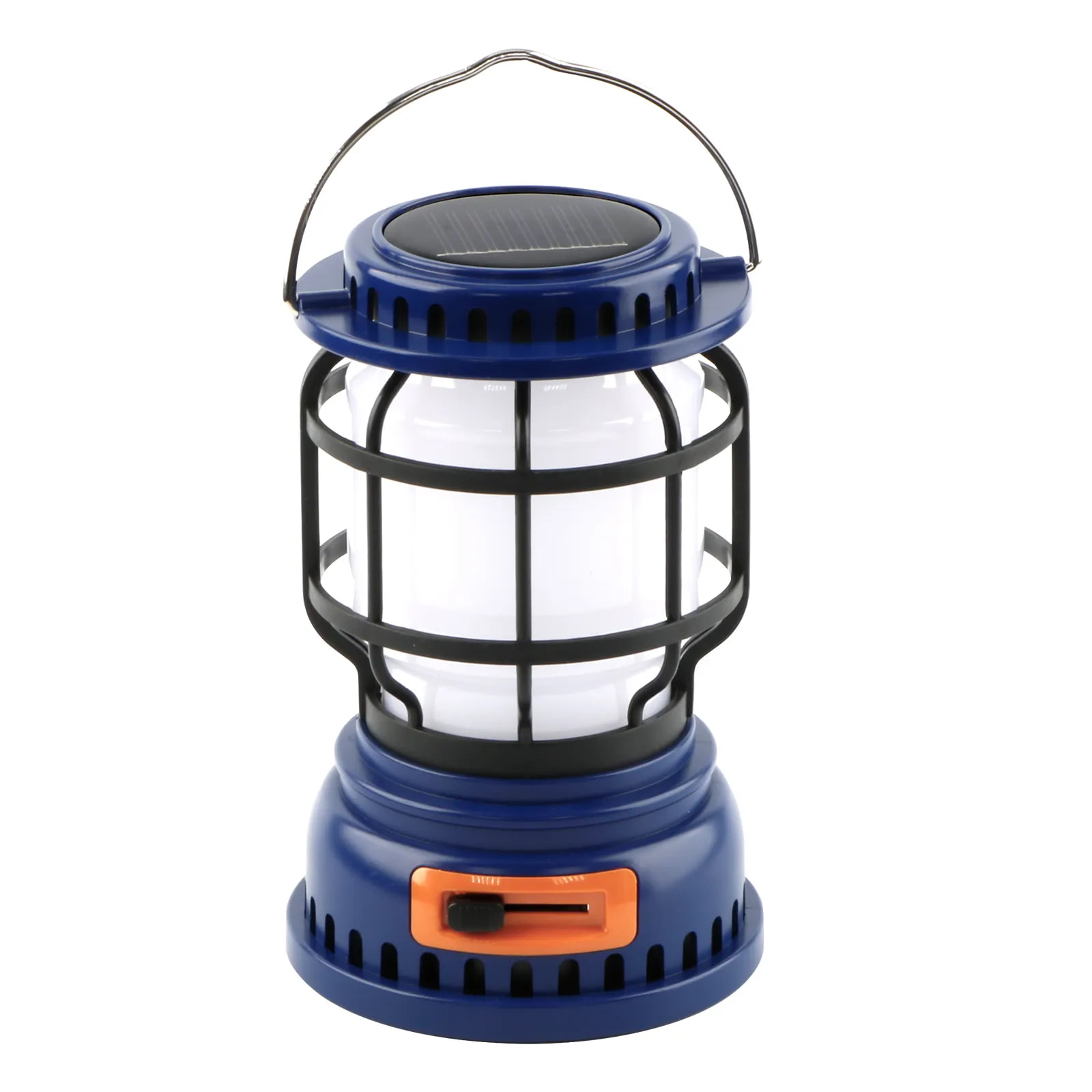
A camping lantern serves as a reliable lighting solution for remote outdoor environments, but its suitability depends on specific factors including brightness output, battery runtime, durability, and intended use cases. Remote lighting scenarios demand more from equipment than casual backyard setups, requiring careful consideration of performance specifications and environmental conditions. Understanding whether a camping lantern meets your remote lighting needs involves evaluating technical capabilities, weather resistance, and practical deployment strategies in isolated locations where backup power sources may be limited.
Remote environments present unique lighting challenges that distinguish them from standard outdoor settings. Isolation from power infrastructure, unpredictable weather patterns, and extended periods away from resupply points make equipment reliability critical. A camping lantern designed specifically for these conditions must balance portability with sufficient output, weatherproofing with practical durability, and power efficiency with usable runtime. This guide examines how modern camping lantern technology addresses remote lighting requirements and identifies the specific scenarios where this equipment proves most effective.
Brightness and Coverage Requirements for Remote Environments
Light Output Standards for Remote Camping
A camping lantern's brightness, measured in lumens, directly determines its suitability for remote outdoor lighting tasks. Remote environment lighting typically requires 300 to 1000 lumens depending on specific activities. General camp illumination, food preparation, and social gathering around a base camp generally function well with 300 to 500 lumens from a quality camping lantern. Navigation, equipment maintenance, and detailed work require higher output, making 600 to 1000 lumens the practical standard for a reliable camping lantern in technical or complex situations.
Coverage area expands significantly with a quality camping lantern compared to flashlights or headlamps. A camping lantern distributes light in multiple directions simultaneously rather than focusing output as a beam. This omni-directional illumination pattern suits remote base camps where team members spread across multiple work areas benefit from ambient light without requiring individual light sources. The camping lantern's design for widespread coverage becomes especially valuable in remote locations where carrying numerous individual lights increases overall pack weight and reduces efficiency.
Adjustable Brightness for Extended Runtime
Remote environments demand runtime efficiency that a camping lantern can deliver through adjustable brightness modes. Many modern designs offer 30 to 100 percent brightness settings, allowing users to reduce power consumption during low-activity periods. This camping lantern flexibility extends total operating time substantially, particularly important when resupply of batteries or fuel occurs at irregular intervals in truly remote locations. Operating a camping lantern at 50 percent brightness for 12 hours proves more practical than running full intensity for 4 hours when the environment provides no opportunity for midday charging or battery replacement.
Weather Resistance and Material Durability in Remote Settings
Environmental Protection Standards for Camping Lantern Equipment
Weather resistance ratings become critical evaluation points when assessing camping lantern suitability for remote environments. IP (Ingress Protection) ratings of 65 or higher indicate adequate protection against heavy rain, dust storms, and spray from water sources common in remote landscapes. A camping lantern with 65 or 67 rating provides reliable operation during extended wet weather without damage to internal components. Remote locations rarely offer opportunities for equipment replacement or repair, making environmental protection ratings a fundamental selection criterion that directly impacts mission success and user safety.
Material construction determines how a camping lantern survives repeated use across variable terrain and weather extremes. Aluminum or high-impact plastic housing provides superior durability compared to lower-grade materials. A camping lantern built from aircraft-grade aluminum withstands impact, corrosion from moisture and mineral-rich water, and UV degradation from intense high-altitude sun exposure. Remote environment lighting equipment endures conditions that would compromise lower-quality alternatives, making construction materials a practical investment that ultimately reduces total equipment cost through extended service life.
Impact Resistance and Drop Durability
Remote terrain introduces drop hazards and impact scenarios that indoor or developed-area equipment rarely face. A camping lantern dropped from a backpack during river crossing, rock scrambling, or technical terrain negotiation must survive substantial impacts without loss of function. Robust engineering with shock-absorbing mounting systems and reinforced lens protection means a quality camping lantern remains operational after accidental falls that would destroy consumer-grade alternatives. Testing impact resistance through actual remote field conditions separates reliable camping lantern designs from those that perform acceptably only in controlled environments.
Power Management and Runtime Considerations in Isolated Locations
Battery Choices and Power Efficiency
A camping lantern's power source directly impacts its practicality in remote locations where battery replacement options may not exist. Lithium-ion rechargeable batteries offer superior energy density and runtime compared to alkaline options, particularly important when solar charging or hand-crank recharging represents the only available power replenishment method. Remote environment users frequently choose a camping lantern with USB or solar charging capabilities, creating independent power systems that function reliably despite complete isolation from infrastructure. Rechargeable camping lantern models designed with multiple charging input options provide maximum flexibility across diverse remote scenarios.
Runtime calculations become essential planning tools for remote expeditions relying on a camping lantern for base camp illumination. Extended remote stays typically demand 10 to 16 hour daily lighting periods, requiring either extremely high-capacity batteries or supplementary charging mechanisms integrated into the camping lantern system. Calculating total available power against daily consumption rates prevents situations where a camping lantern becomes inadequate midway through a remote assignment. Users should apply conservative runtime estimates reducing manufacturer specifications by 20 to 30 percent to account for temperature effects and actual usage patterns differing from laboratory testing of the camping lantern equipment.
Solar and Alternative Charging for Off-Grid Reliability
A camping lantern incorporating built-in solar panels or compatibility with external solar charging systems extends operational independence in remote environments. Solar capabilities transform a camping lantern from consumable equipment into a sustainable lighting solution that recharges throughout the day using free renewable energy. Remote locations frequently provide abundant sunlight, making solar-equipped camping lantern models particularly suited for extended operations. Users should verify that solar charging speeds remain practical for remote conditions, with realistic expectations that a solar camping lantern may require 4 to 8 hours of direct sunlight to restore a 50 percent charge, requiring deliberate charging management during base camp operations.
Application Scenarios Where Camping Lantern Excels in Remote Settings
Base Camp and Camp Site Illumination
Establishing reliable illumination at remote base camps represents the primary strength of a well-designed camping lantern. The equipment naturally suits stationary deployment where users want ambient light across a defined area rather than portable point lighting. A quality camping lantern hung from a tent frame, suspended from a tripod, or placed centrally within camp provides practical illumination for meal preparation, social activities, and team coordination. Remote expedition teams consistently report that a single high-output camping lantern improves safety, efficiency, and morale significantly compared to relying entirely on flashlights and headlamps.
Emergency and Backup Lighting Scenarios
Remote environments where primary power systems fail or communications equipment malfunctions benefit substantially from backup lighting provided by a reliable camping lantern. Emergency situations demanding sustained illumination for extended periods find that a camping lantern's combination of runtime and output exceeds emergency backup equipment designed for shorter durations. Survival and rescue scenarios in remote locations frequently depend on visible signal lighting, where a camping lantern placed at ground level or elevated creates detection opportunities that handheld lights cannot match. Equipment redundancy practices in remote operations consistently include at least one dedicated camping lantern specifically designated as emergency backup illumination.
Technical Work and Equipment Maintenance
Remote field operations requiring equipment maintenance, repair, or technical adjustment depend on adequate illumination that a camping lantern uniquely provides. Unlike headlamps requiring constant head repositioning or flashlights creating shadow complications, a camping lantern positioned strategically around work areas maintains consistent light distribution during detailed procedures. Field technicians working in remote locations on archaeological sites, geological surveys, or infrastructure inspection commonly deploy a camping lantern as their primary workspace illumination. The ability to direct lighting while maintaining hands-free operation makes the camping lantern indispensable for complex remote work requiring both precision and safety.
FAQ
Can a camping lantern provide adequate lighting for multi-day remote expeditions?
Yes, a camping lantern designed with rechargeable batteries and solar charging capabilities can sustain multi-day remote expeditions when proper power management and charging schedules integrate into daily routines. Success depends on matching brightness output to actual lighting needs rather than running full intensity continuously. Remote teams operating a camping lantern with deliberate brightness adjustment and scheduled solar charging have extended operations beyond two weeks in isolation. The camping lantern's flexibility through adjustable modes allows users to balance illumination adequacy against power consumption, making it suitable for expeditions lasting weeks when combined with planning discipline.
What brightness level should a camping lantern provide for safe remote navigation?
A camping lantern alone does not typically provide sufficient focused brightness for navigation through remote terrain; however, 500 to 800 lumen output enables safe movement around established camp perimeters and between known waypoints. Remote navigation fundamentally requires directional beam lighting from flashlights or headlamps rather than the ambient illumination that a camping lantern provides. The camping lantern functions optimally for camp-based lighting while users employ dedicated beam lights for movement and navigation. Combining a camping lantern as base illumination with individual headlamps for movement creates the most practical lighting strategy across remote environments.
Are expensive camping lantern models worth the investment for remote use?
Higher-quality camping lantern models with premium construction materials, advanced charging systems, and robust waterproofing deliver superior reliability and longevity in demanding remote conditions where replacement or repair is impossible. The camping lantern represents critical safety equipment in remote environments, justifying investment in proven quality rather than economical alternatives that may fail during extended operations. Users planning regular remote activities benefit substantially from investing in a durable camping lantern that provides consistent performance across multiple expeditions. The camping lantern cost amortizes significantly when calculated across years of reliable service in comparison to repeated replacement of lower-quality equipment failing prematurely in remote environments.
