 EN
EN

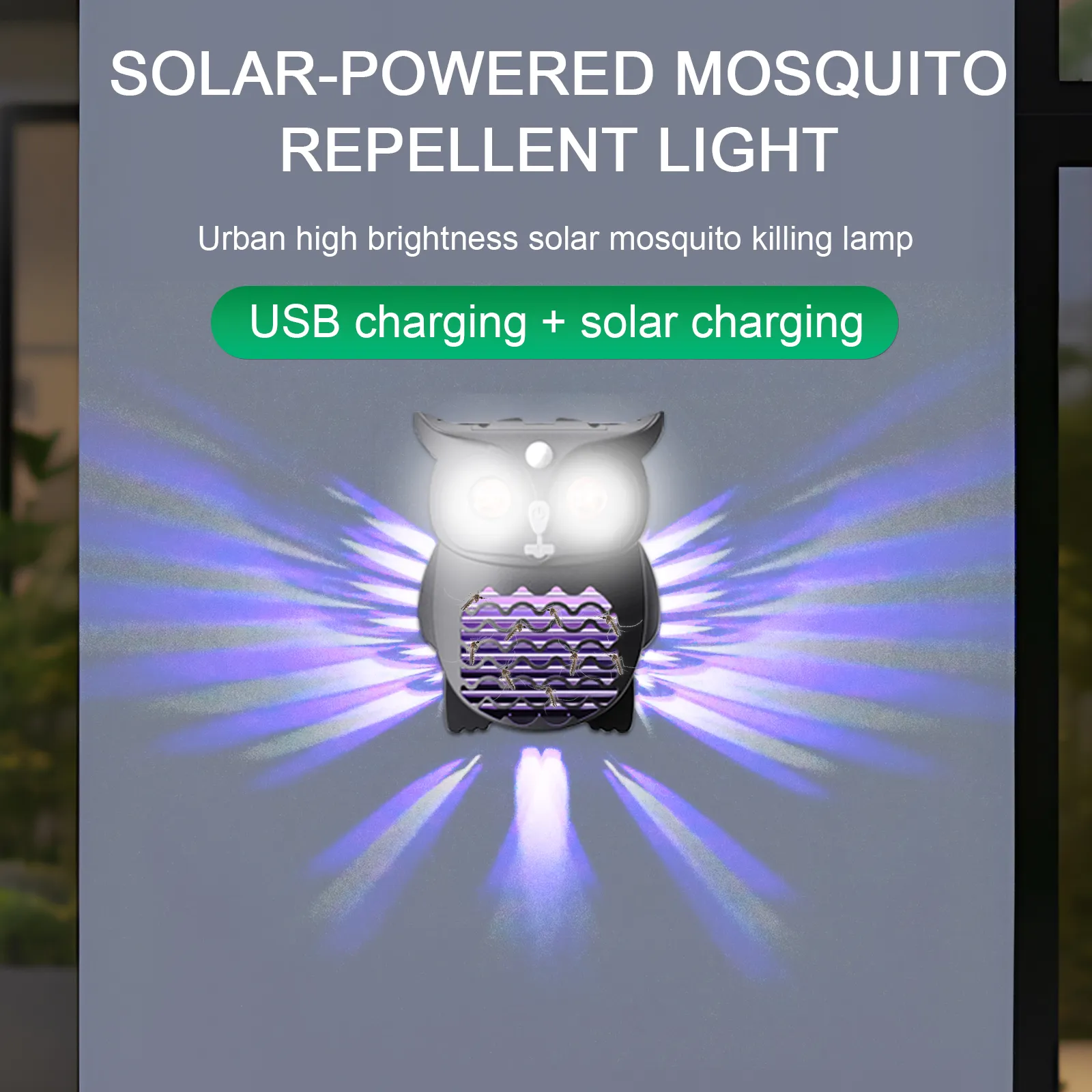
The efficiency of a solar bug zapper in outdoor environments depends on multiple interconnected factors that directly influence how effectively it attracts, traps, and eliminates flying insects. Understanding these variables is essential for homeowners, landscapers, and outdoor facility managers who rely on solar bug zapper technology to reduce pest populations naturally without chemical interventions. A solar bug zapper operates by converting sunlight into electrical energy, then using that energy to power ultraviolet lights that attract insects toward an electrified grid or collection chamber. The overall performance of any solar bug zapper is not predetermined but rather emerges from the interaction between environmental conditions, installation choices, device specifications, and maintenance practices.
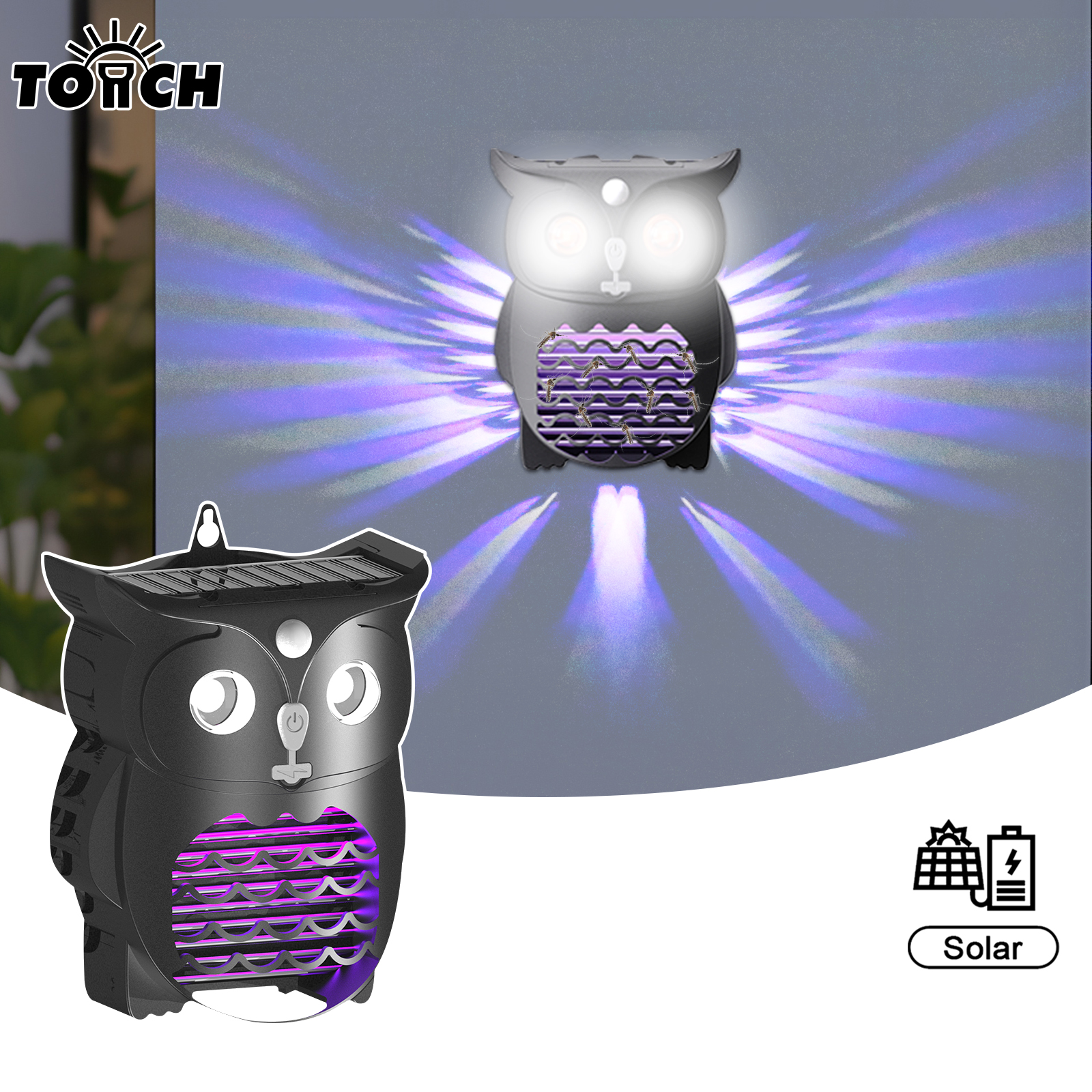
The practical efficiency gains from deploying a solar bug zapper require deliberate attention to these factors. Most users underestimate how dramatically location, seasonality, and device positioning can shift outcomes. Whether you are protecting a residential patio, commercial dining area, or industrial facility, knowing what influences your solar bug zapper's performance helps you maximize return on investment and achieve consistent insect control throughout the outdoor season.
Solar Panel Exposure and Sunlight Availability
Direct Sunlight Duration and Intensity
The performance of a solar bug zapper hinges fundamentally on how much direct sunlight the integrated photovoltaic panel receives each day. Most quality solar bug zapper units require a minimum of six to eight hours of unobstructed sunlight daily to generate sufficient charge for a full night of operation. The intensity of sunlight varies by geographic location, time of year, and time of day. In summer months, a solar bug zapper positioned in direct sun may reach full charge by early afternoon, enabling maximum UV output all night. Conversely, in winter or at higher latitudes, the same solar bug zapper might charge more slowly, reducing the total operating hours available for insect attraction and elimination.
Shading and Obstruction Challenges
Trees, buildings, fences, and other structures frequently cast shadows that diminish the effective charging of a solar bug zapper. Even partial shade lasting several hours can noticeably reduce the energy stored by the device's battery. Many installers of a solar bug zapper place units near overhead structures without realizing that morning or afternoon shadows will block critical charging periods. If your solar bug zapper remains partially shaded for more than two to three hours during peak sun times, expect a measurable drop in evening operating duration and light intensity. Relocating the solar bug zapper to an unobstructed, south-facing position (in the Northern Hemisphere) often yields dramatic efficiency improvements without any modification to the device itself.
Environmental Conditions and Weather Patterns
Humidity, Temperature, and Seasonal Fluctuations
Insect activity follows predictable seasonal and daily temperature rhythms, which directly affect how a solar bug zapper performs relative to its potential. Mosquitoes, gnats, and other flying pests are most active during warm, humid evenings when they seek hosts for blood meals. A solar bug zapper operates most efficiently when deployed during the peak activity window for local insects, typically late spring through early fall in temperate zones. High humidity levels generally correlate with increased insect populations and activity, amplifying the practical benefit of your solar bug zapper investment. Temperature fluctuations also influence battery chemistry; most lithium or NiMH batteries used in solar bug zapper units perform optimally between 50 and 95 degrees Fahrenheit, so extreme heat or cold can reduce both charging efficiency and discharge performance.
Rain, Dust, and Panel Maintenance
Dust, pollen, bird droppings, and rain accumulation on the solar panel of a solar bug zapper can severely diminish charging performance. A film of dust as thin as one millimeter can reduce the solar charging efficiency of a solar bug zapper by up to 25 percent. Regular cleaning of the solar panel with a soft, damp cloth every one to two weeks maintains peak charging rates. In regions with frequent rainfall, rain typically cleans the panel naturally, but in dry, dusty environments, manual cleaning becomes essential to maintain your solar bug zapper's efficiency. Inspecting the panel monthly and cleaning as needed is a simple maintenance step that prevents gradual, unnoticed performance degradation over the season.
Device Design, Specifications, and Positioning
UV Light Wavelength and Attraction Range
The wavelength and intensity of UV light emitted by a solar bug zapper determines its effective attraction radius. Most insects are drawn to UV light in the 365-nanometer wavelength range, and a solar bug zapper optimized for this range will attract insects from a greater distance than one using a less-optimal wavelength. The intensity of the UV output from a solar bug zapper also matters; stronger UV emission pulls insects from farther away, expanding the effective coverage area. Device design elements such as reflector surfaces, bulb positioning, and bulb quality all influence the total photons delivered and their directional distribution. When evaluating a solar bug zapper for your specific application, understand the UV specifications and compare them against the outdoor space you intend to protect.
Height, Distance, and Competitive Light Sources
The placement height and distance of a solar bug zapper from seating areas, food, or activity zones significantly impacts its efficiency. Installing a solar bug zapper at six to eight feet above ground level typically maximizes insect attraction while minimizing direct visibility from human activity areas. If a solar bug zapper is positioned too close to other light sources like porch lamps, deck lighting, or streetlights, insects may be drawn to those competing lights instead, reducing the practical effectiveness of the solar bug zapper. Conversely, if a solar bug zapper is placed too far from the area you wish to protect, its attraction radius may not extend to your seating zone, leaving you with residual insect activity. Testing different positions and noting changes in insect capture rates helps optimize where your solar bug zapper delivers maximum benefit for your specific outdoor layout.
Attraction Effectiveness and Insect Behavior
Species-Specific Attraction and Seasonal Variation
Not all flying insects respond equally to UV light, which affects how efficiently a solar bug zapper attracts the pest species in your region. Mosquitoes, for example, are less strongly attracted to UV light than moths, flies, or gnats. A solar bug zapper will perform most efficiently in environments where the local insect population includes high proportions of species that actively seek UV light. Seasonal insect composition also shifts; early-season pests differ from mid-summer populations, and different species peak at different times. Understanding which insects dominate your outdoor space at different times of year helps you set realistic expectations for your solar bug zapper's efficiency throughout the season.
Competing Food and Host-Seeking Behavior
Insects seeking blood meals or attracted to food, carbon dioxide, or human body heat may resist attraction to a solar bug zapper if more compelling stimuli are present. A solar bug zapper positioned near an outdoor dinner setting competes directly with the scent of food and the presence of humans; insects may satisfy their immediate behavioral drive before reaching the solar bug zapper's trap. Conversely, a solar bug zapper deployed in a corridor between resting areas and activity zones may intercept insects before competing stimuli dominate their navigation. The efficiency of a solar bug zapper thus depends partly on how well its placement intersects the insect migration paths and activity zones in your outdoor environment.
Battery Performance and Energy Management
Battery Capacity and Discharge Rate
The underlying battery technology and capacity of a solar bug zapper determine how long it can operate on a single day's charge and how consistently it maintains UV output over the night. Larger capacity batteries allow a solar bug zapper to run at full intensity for longer periods, capturing insects across the entire evening and into early morning. Smaller batteries in a budget solar bug zapper may only power the device for four to six hours at full intensity, after which output dims as battery voltage drops. Premium solar bug zapper models use high-quality lithium or higher-capacity NiMH batteries that hold charge longer and resist degradation, maintaining consistent efficiency over many seasons. Understanding the battery capacity and expected discharge curve of your specific solar bug zapper helps you predict how many useful operating hours you will have under various charging conditions.
Charging Efficiency and Internal Circuitry
The internal charging controller and power management circuitry of a solar bug zapper influence how efficiently solar energy converts to stored electrical energy. A solar bug zapper with a well-designed charging circuit minimizes energy loss during conversion, ensuring that most of the sun's energy reaches the battery. Cheaper solar bug zapper models may use simple, inefficient charging circuits that waste 15 to 25 percent of available solar energy as heat. Premium solar bug zapper units typically include maximum power point tracking (MPPT) controllers that optimize charging efficiency across varying light conditions, maintaining high conversion rates throughout the day. This difference compounds over a full season; a solar bug zapper with superior internal efficiency delivers noticeably longer operating times and brighter UV output for the same sunlight exposure.
FAQ
Does cloud cover significantly reduce the efficiency of a solar bug zapper?
Yes, cloud cover measurably reduces solar bug zapper charging efficiency. On heavily overcast days, a solar bug zapper may charge at only 20 to 40 percent of its optimal rate, depending on cloud thickness. This means the battery does not reach full capacity, and the device will operate for fewer hours at lower intensity. In regions with frequent clouds or monsoon seasons, the practical efficiency of a solar bug zapper is lower than in consistently sunny climates. Choosing a solar bug zapper with a larger battery capacity helps mitigate performance loss on cloudy days by storing extra energy during sunny periods.
How does the age and degradation of a solar bug zapper battery affect its efficiency?
Battery degradation is a major factor in long-term solar bug zapper efficiency decline. Most solar bug zapper batteries lose 10 to 15 percent of their capacity annually, meaning a three-year-old solar bug zapper will hold roughly 70 to 80 percent of the charge of a new unit. By year five, a solar bug zapper's battery may deliver only 50 to 65 percent of original capacity, resulting in noticeably shorter operating times and dimmer UV light. Replacing the battery when performance visibly declines can restore a solar bug zapper to near-original efficiency without replacing the entire unit, making this an economical maintenance choice for many outdoor installations.
Can multiple solar bug zappers improve efficiency in a large outdoor area?
Yes, deploying multiple solar bug zapper units strategically positioned around a large outdoor space improves overall pest control efficiency compared to relying on a single unit. Each solar bug zapper has an effective attraction radius, typically 50 to 100 feet depending on UV intensity and device quality, so combining several units extends coverage to larger areas. Positioning multiple solar bug zapper units at different heights and locations helps intercept insects across multiple zones and approach vectors. For optimal efficiency, space solar bug zapper units 60 to 80 feet apart and avoid clustering them too close, which would create overlapping attraction zones and waste the potential coverage of each unit.
