 EN
EN

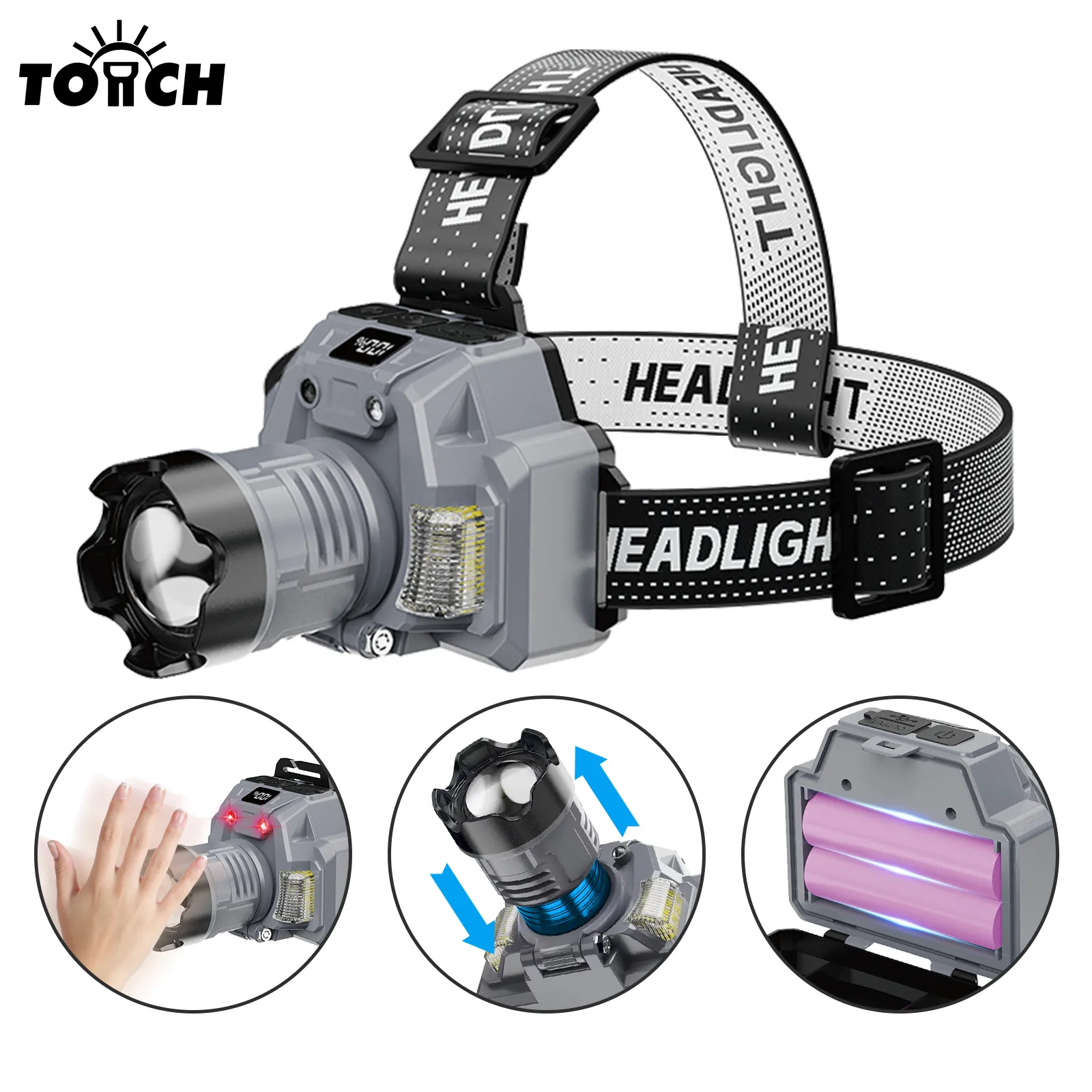
Commercial landscape design has undergone a significant transformation in recent years, and solar garden lights have become a cornerstone of modern outdoor aesthetics and functionality. Property managers, landscape architects, and facility developers increasingly choose solar garden lights for their ability to enhance visual appeal while delivering measurable operational advantages. The shift toward solar garden lights reflects a broader industry trend toward sustainable, cost-effective solutions that align with corporate environmental responsibility goals and budget constraints.
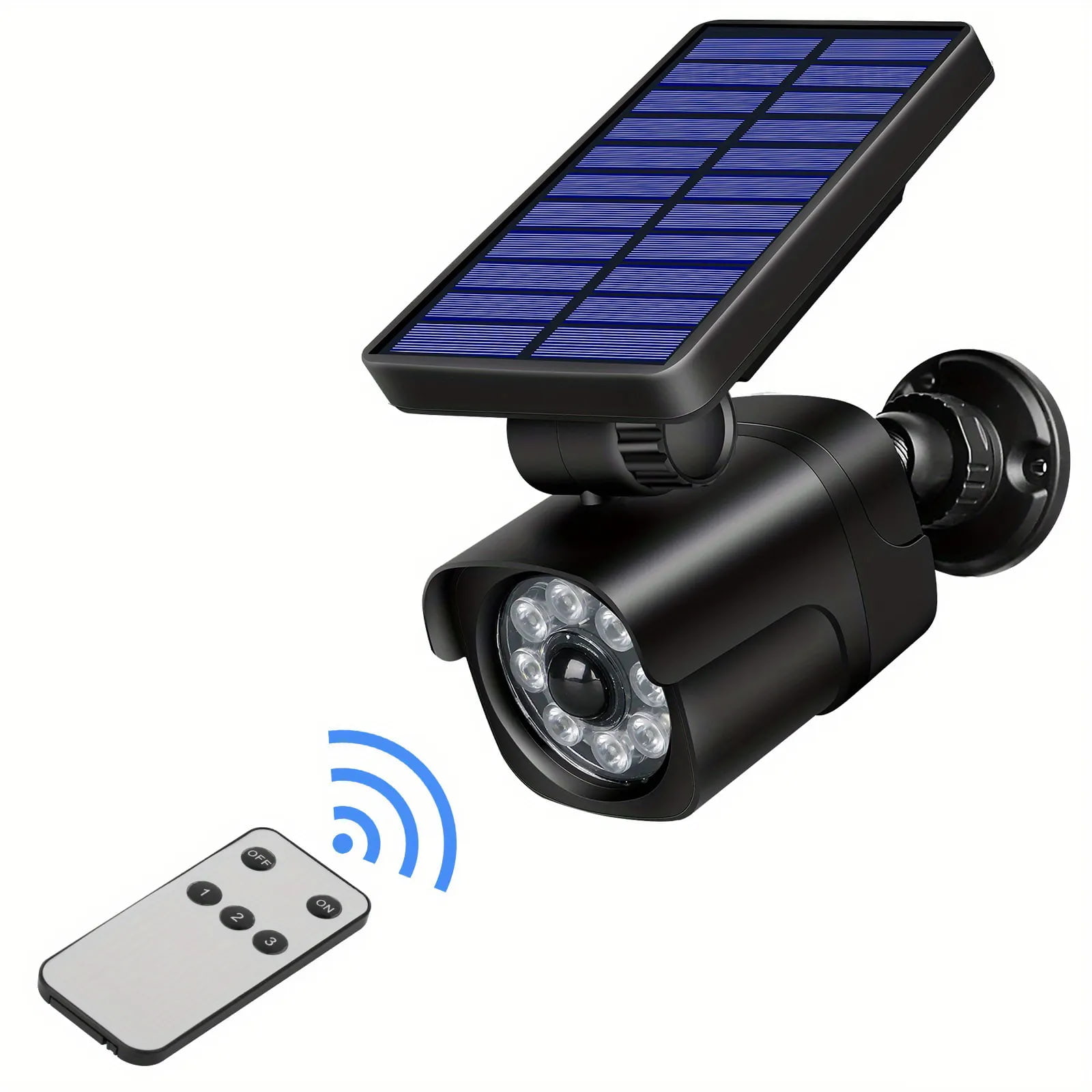
The widespread adoption of solar garden lights in commercial settings stems from their unique combination of environmental benefits, operational savings, and design flexibility. Unlike traditional hardwired lighting systems that require extensive trenching, electrical permits, and ongoing utility expenses, solar garden lights offer installation simplicity and independence from grid infrastructure. This advantage proves particularly valuable in commercial landscapes where retrofit projects, expansion plans, or temporary installations demand quick deployment without disrupting existing electrical systems.
Energy Efficiency and Operational Cost Reduction
Why Solar Garden Lights Lower Commercial Energy Expenses
Solar garden lights operate without drawing power from municipal electrical grids, making them inherently cost-effective for large-scale commercial deployments. A typical commercial landscape requiring illumination across multiple pathways, parking areas, or garden beds can reduce monthly utility costs substantially by transitioning from conventional LED or halogen fixtures to solar garden lights. The elimination of connection fees, maintenance line items, and fixture-related electricity consumption creates predictable long-term savings that justify initial capital investment within two to four years on most commercial properties.
The operational model of solar garden lights differs fundamentally from traditional systems. Each unit charges independently during daylight hours, stores energy in integrated batteries, and activates automatically at dusk using light-sensing technology. This self-contained operation means facility managers no longer oversee complex timer configurations, electrical circuit maintenance, or energy audits related to outdoor lighting. Commercial properties benefit from reduced administrative overhead while solar garden lights deliver consistent, automated illumination throughout year-round seasons.
Battery Technology and Performance Standardization
Modern solar garden lights incorporate lithium-ion or advanced nickel-metal hydride batteries that significantly outperform earlier generations. These battery systems in contemporary solar garden lights provide eight to twelve hours of illumination after a single charging cycle, even during winter months when daylight hours diminish. Commercial landscape designers confidently specify solar garden lights knowing that battery performance has been standardized and tested across diverse climate zones, ensuring consistent functionality whether installations occur in sunny regions or areas experiencing frequent cloud cover.
The reliability of solar garden lights has improved dramatically as manufacturers optimized charging circuits and integrated weatherproof components. Commercial applications demand lighting systems that operate dependably across seasons and weather conditions; solar garden lights now meet these performance thresholds consistently. Facility managers report minimal maintenance requirements, occasional sensor cleaning, and battery replacement intervals extending beyond seven years—substantially longer than industry expectations for traditional outdoor lighting infrastructure.
Design Flexibility and Aesthetic Integration
Versatility of Solar Garden Lights Across Landscape Themes
Commercial landscape design emphasizes cohesive visual themes that reinforce brand identity and property value. Solar garden lights offer unprecedented design flexibility because they operate independently without visible wiring, conduit runs, or electrical junction boxes that compromise aesthetic objectives. Landscape architects leverage solar garden lights to create dramatic uplighting effects on architectural elements, pathway illumination that guides visitors through property layouts, or ambient lighting that defines outdoor gathering spaces during evening hours.
The functional separation between lighting generation and fixture design distinguishes solar garden lights from traditional systems. Designers select fixture styles—modern minimalist forms, traditional lantern silhouettes, subtle ground-level markers, or dramatic sculptural pieces—based purely on aesthetic requirements, knowing that solar garden lights will function effectively regardless of fixture housing. This decoupling of mechanical performance from design language enables commercial landscapes to achieve cohesive visual narratives where solar garden lights contribute to rather than compromise overall aesthetic intentions.
Integration with Landscape Features and Architecture
Solar garden lights integrate naturally into diverse landscape elements including perimeter plantings, water features, architectural hardscaping, and outdoor furniture arrangements. Commercial properties utilize solar garden lights to accent specimen plants, illuminate architectural facades during nighttime hours, or create ambient illumination around seating areas and gathering spaces. The wireless nature of solar garden lights simplifies installation around existing infrastructure, allowing landscape contractors to deploy fixtures without coordinating electrical work, obtaining permits, or managing construction disruption that traditional lighting retrofits demand.
Many commercial facilities employ solar garden lights as transitional lighting elements during landscape phasing or seasonal variations. Property managers install solar garden lights temporarily to test lighting concepts, gather stakeholder feedback, and refine designs before committing to permanent infrastructure investments. This adaptability transforms solar garden lights into strategic design tools that reduce project risk and enable data-driven decision-making regarding long-term outdoor illumination strategies.
Environmental Responsibility and Sustainability Credentials
Alignment with Corporate Environmental Goals
Corporate sustainability commitments increasingly require measurable reductions in energy consumption and carbon emissions across operational facilities. Solar garden lights directly contribute to these environmental objectives by eliminating grid-dependent electricity use and reducing facility-level carbon footprints. Commercial properties showcase solar garden lights as visible manifestations of environmental stewardship, demonstrating to customers, employees, and stakeholders that facility management prioritizes renewable energy solutions and long-term ecological responsibility.
The deployment of solar garden lights across commercial landscapes generates quantifiable environmental benefits that support corporate sustainability reporting and ESG (Environmental, Social, Governance) frameworks. Each solar garden lights installation eliminates kilowatt-hours of electricity consumption annually, translating directly to reduced emissions and lower environmental impact metrics. Organizations leverage solar garden lights as tangible evidence of commitment to climate action, often featuring outdoor lighting installations in sustainability communications and annual environmental responsibility disclosures.
Material Lifecycle and Responsible End-of-Life Management
Contemporary solar garden lights incorporate recyclable aluminum, stainless steel, and durable polymers that minimize environmental impact across product lifecycles. Unlike traditional landscape lighting systems requiring copper wiring removal, conduit recycling, and electrical component disposal, solar garden lights present simplified end-of-life scenarios where batteries comprise the primary recycling consideration. Commercial property managers appreciate solar garden lights because responsible disposal processes have been established and standardized across the industry, supporting comprehensive facility-level environmental management practices.
Manufacturers have responded to environmental consciousness by designing solar garden lights for longevity and material recoverability. Battery recycling programs have expanded significantly, creating convenient pathways for responsible end-of-life management of solar garden lights after their typical ten to fifteen-year operational lifespan. This commitment to circular economy principles distinguishes modern solar garden lights from single-use alternatives, providing commercial facilities with environmentally defensible lighting solutions aligned with contemporary sustainability expectations.
Installation Simplicity and Rapid Deployment
Eliminating Electrical Infrastructure Requirements
Traditional commercial landscape lighting demands extensive preparatory work including site surveys, electrical code compliance verification, permit acquisition, and skilled tradesperson coordination. Solar garden lights eliminate these prerequisites entirely by functioning as autonomous units requiring only ground placement or mounting on existing structures. Landscape contractors deploy solar garden lights significantly faster than conventional systems, reducing project timelines and labor costs while minimizing disruption to active commercial properties where construction restrictions often apply.
The installation simplicity of solar garden lights extends to retrofit applications where commercial properties retrofit existing landscapes with new lighting layers. Property managers avoid expensive electrical upgrades, circuit modifications, or panel capacity evaluations—common requirements when adding traditional landscape lighting to mature facilities. Solar garden lights enable cost-effective landscape enhancements without triggering electrical infrastructure projects, making outdoor lighting improvements accessible to properties facing budget constraints or space limitations that traditional systems cannot overcome.
Adaptability for Evolving Commercial Landscapes
Commercial properties undergo periodic renovations, tenant modifications, or landscape redesigns that demand flexible lighting solutions. Solar garden lights accommodate these evolving requirements effortlessly because individual units can be relocated, removed, or added without affecting remaining installations. This modularity distinguishes solar garden lights from hardwired systems where changes often necessitate electrician involvement, service disruptions, or infrastructure modifications that complicate property management operations.
Facility managers utilize solar garden lights to respond rapidly to seasonal changes, temporary events, or emergency lighting needs. The wireless independence of solar garden lights transforms outdoor illumination from a permanent fixed infrastructure into a flexible resource that adapts to evolving commercial requirements. Property managers increasingly specify solar garden lights precisely because this flexibility reduces long-term operational constraints and enables landscape solutions that survive organizational change and market evolution.
FAQ
How do solar garden lights compare to traditional landscape lighting systems?
Solar garden lights eliminate grid dependencies, reduce operational expenses, and require minimal installation labor compared to traditional hardwired systems. While conventional landscape lighting offers greater brightness output for large commercial areas, modern solar garden lights provide sufficient illumination for pathways, accent lighting, and ambient applications at substantially lower total cost of ownership. The choice between solar garden lights and traditional systems depends on project scope, brightness requirements, and budget constraints—solar garden lights excel for retrofit projects, accent applications, and environmentally conscious facilities.
What maintenance do solar garden lights require in commercial settings?
Solar garden lights demand minimal maintenance beyond occasional sensor cleaning and battery replacement approximately every seven to ten years. Commercial facilities benefit from reduced maintenance burden compared to traditional systems requiring fixture cleaning, wiring inspection, and electrical component servicing. Most solar garden lights feature weatherproof construction, corrosion-resistant materials, and sealed battery compartments that simplify ongoing facility management and reduce long-term operational costs significantly.
Can solar garden lights provide adequate illumination for large commercial landscapes?
Solar garden lights work effectively for accent lighting, pathway illumination, and ambient applications across commercial landscapes when properly distributed and specified. For large areas requiring high-intensity illumination, hybrid approaches combining solar garden lights with strategic traditional fixtures often prove optimal. Landscape designers assess specific brightness requirements, site conditions, and aesthetic objectives to determine whether solar garden lights meet commercial needs independently or as components within comprehensive lighting strategies that balance sustainability with functional performance requirements.
