 EN
EN

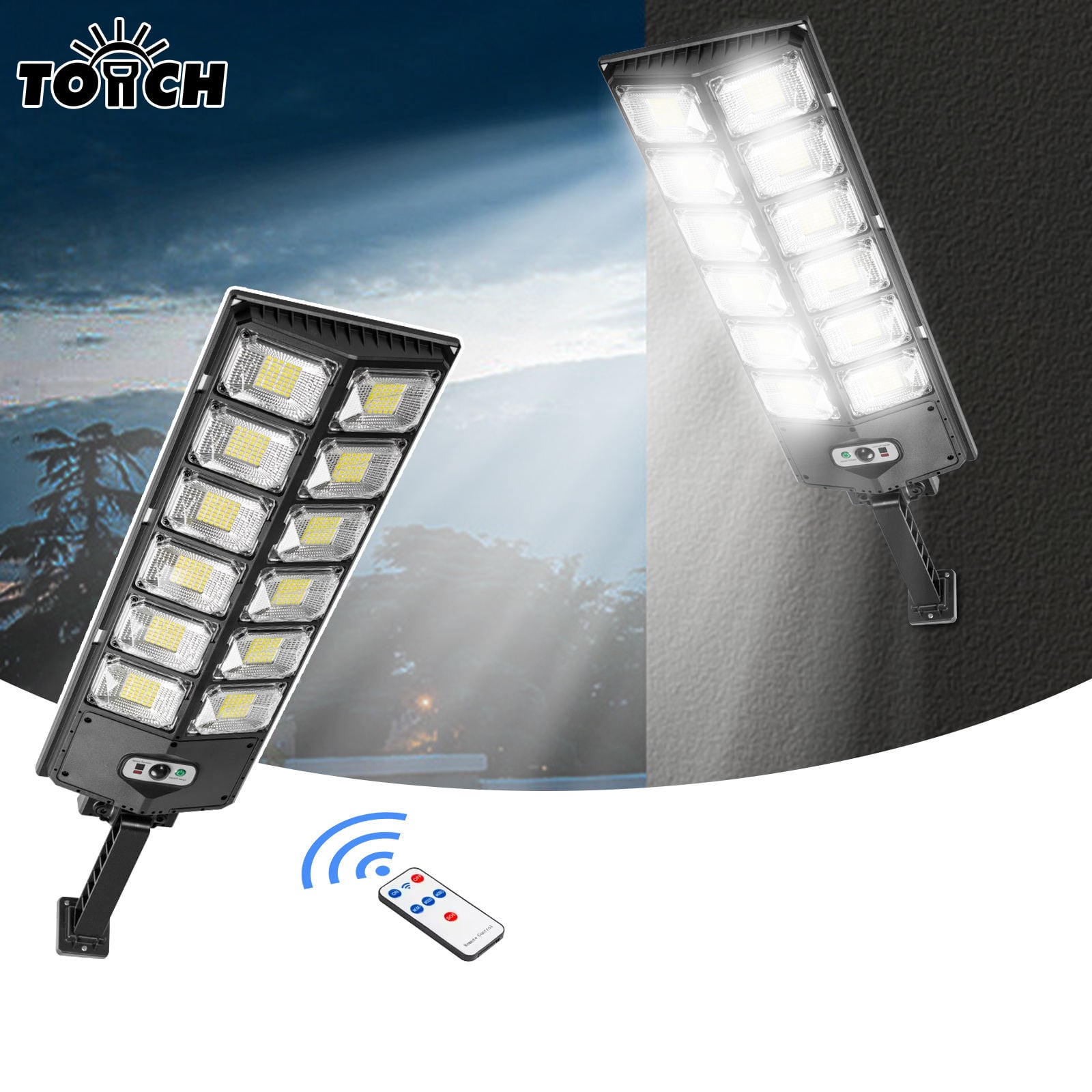
Modern buildings face increasing pressure to reduce energy consumption while maintaining effective outdoor lighting. Solar wall lights represent a transformative solution that directly addresses this challenge by converting sunlight into reliable illumination during nighttime hours. These intelligent fixtures eliminate dependence on grid electricity for perimeter and facade lighting, resulting in substantial operational cost reductions and environmental benefits. Understanding how solar wall lights improve outdoor lighting efficiency in buildings reveals why this technology has become essential for property managers, architects, and facility directors seeking sustainable lighting alternatives.
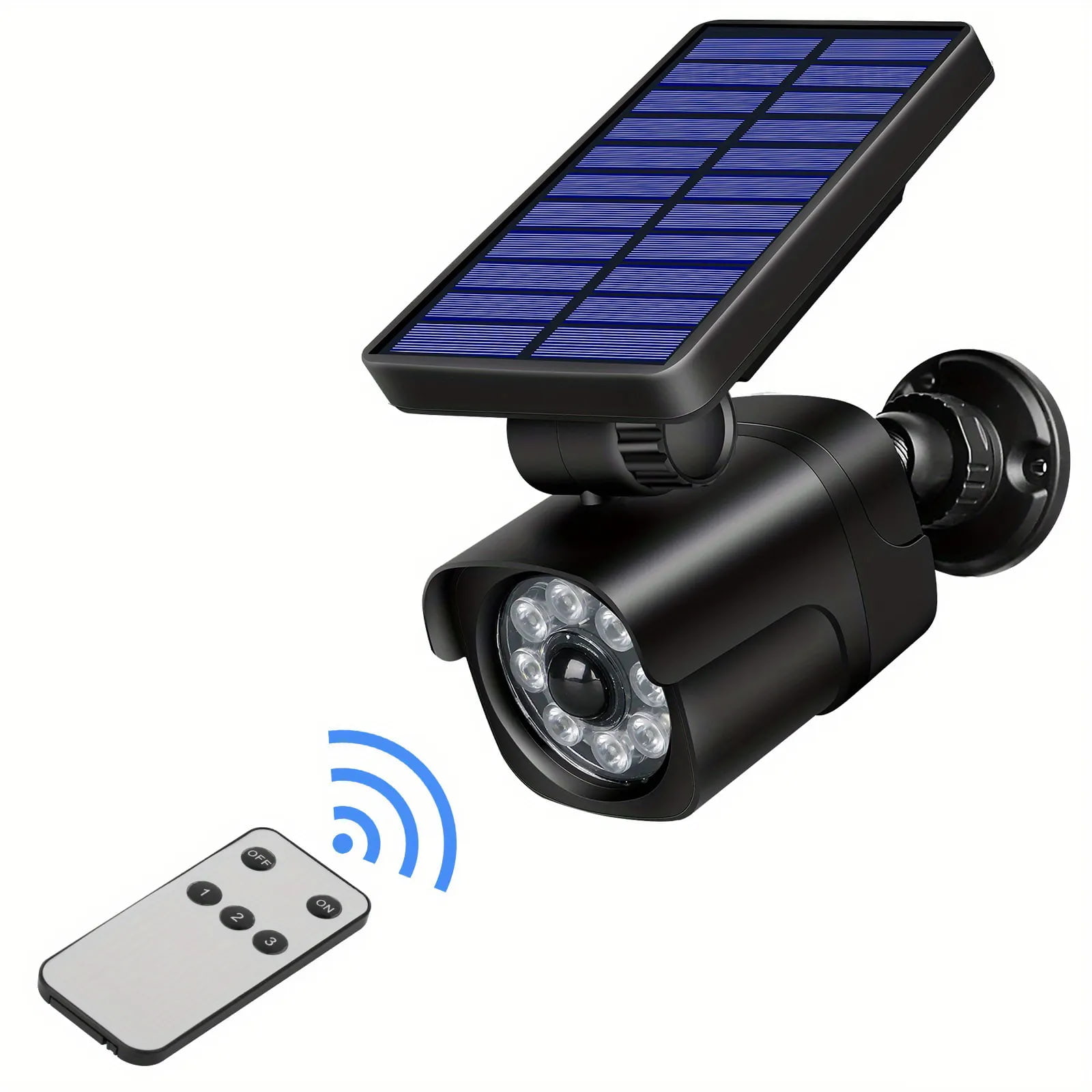
The efficiency gains from deploying solar wall lights extend beyond simple energy replacement. These systems integrate advanced technologies including high-capacity batteries, motion sensors, and optimized LED outputs that maximize illumination per joule of stored energy. When properly selected and installed, solar wall lights reduce outdoor lighting electricity costs by up to eighty percent while enhancing security, aesthetics, and operational flexibility across residential, commercial, and industrial properties.
Energy Efficiency Mechanisms in Solar Wall Lights
Photovoltaic Conversion and Storage Optimization
Solar wall lights harness photovoltaic cells that convert daylight into electrical energy stored within integrated lithium or lead-acid batteries. The efficiency of this conversion directly determines how effectively solar wall lights perform throughout night hours. Modern solar wall lights employ monocrystalline or polycrystalline panels with conversion rates reaching eighteen to twenty-two percent, meaning a significant portion of incident sunlight transforms into usable electrical charge. This stored energy powers LED elements that deliver concentrated light output with minimal heat waste, ensuring solar wall lights maintain consistent brightness levels even on cloudy days or during extended darkness periods.
LED Technology and Output Optimization
The efficiency advantage of solar wall lights becomes most apparent when examining their light-emitting diode technology. LEDs require substantially less power than traditional incandescent or halogen fixtures to produce equivalent illumination levels. Solar wall lights typically deliver sixty to one hundred lumens per watt, compared to fifteen to twenty lumens per watt from conventional outdoor lighting. This superior efficiency means solar wall lights can illuminate buildings using only the energy harvested during daylight hours, eliminating nighttime grid draw for perimeter and facade applications. The combination of solar energy collection and LED technology creates a compounding efficiency effect that defines modern solar wall lights performance.
Practical Efficiency Improvements for Building Operations
Reduced Electricity Demand and Infrastructure Strain
Installing solar wall lights substantially reduces the electrical load on building infrastructure, particularly during peak evening hours when outdoor lighting demand peaks. Facilities that deploy solar wall lights across parking areas, walkways, and building perimeters often report thirty to fifty percent reductions in total exterior lighting electricity consumption. This decreased demand also lessens strain on electrical panels, wiring systems, and transformer capacity, potentially deferring expensive infrastructure upgrades. Beyond immediate cost savings, solar wall lights improve grid stability by eliminating synchronous evening demand spikes, especially in properties with extensive outdoor lighting requirements. The cumulative effect of multiple solar wall lights installations creates measurable facility-wide efficiency gains that impact both operational budgets and long-term capital planning.
Maintenance-Free Operation and Lifespan Efficiency
A significant efficiency advantage of solar wall lights emerges through their minimal maintenance requirements compared to conventional fixtures. Traditional outdoor lighting demands regular bulb replacement, fixture cleaning, ballast maintenance, and electrical troubleshooting. Solar wall lights eliminate most of these recurring tasks because batteries and LEDs have extended operational lifespans reaching five to ten years, and photovoltaic cells require only occasional cleaning. This maintenance reduction directly translates to lower total cost of ownership and improved operational efficiency. Facilities using solar wall lights avoid the labor expenses, supply chain dependencies, and downtime associated with conventional lighting maintenance, allowing maintenance teams to redirect resources toward core facility operations.
Integration Benefits and Building-Wide Efficiency Impact
Smart Controls and Adaptive Illumination
Contemporary solar wall lights incorporate motion sensors, ambient light detection, and programmable controls that maximize energy utilization efficiency. These intelligent features ensure solar wall lights operate at full brightness only when presence detection indicates active use, reducing unnecessary power consumption during unoccupied periods. Some advanced solar wall lights models integrate with building management systems for centralized control and performance monitoring. This adaptive functionality amplifies the efficiency advantages of solar wall lights by preventing overillumination, extending battery life, and optimizing energy distribution. Buildings leveraging these smart capabilities report additional fifteen to thirty percent efficiency improvements beyond baseline solar wall lights performance, demonstrating how intelligent design multiplies the benefits of solar technology.
Security Enhancement and Operational Resilience
Solar wall lights improve overall building security while maintaining efficiency through reliable nighttime illumination independent of grid connectivity. Properties benefit from uninterrupted perimeter lighting even during power outages, eliminating security vulnerabilities that accompany traditional lighting failures. Solar wall lights maintain consistent outdoor visibility for surveillance systems, deterring unauthorized access and reducing security incident risks. This resilience represents an efficiency gain in terms of reduced security incidents and associated response costs. Buildings with comprehensive solar wall lights coverage experience measurable improvements in loss prevention metrics and emergency response capabilities, demonstrating how efficiency extends beyond energy consumption to encompass broader operational and safety dimensions.
FAQ
How much electricity can solar wall lights save over one year?
Solar wall lights typically save between fifty and eighty percent of outdoor lighting electricity costs annually, depending on geographic location, climate conditions, fixture quantity, and usage patterns. A building using twenty solar wall lights across perimeter and parking areas might reduce outdoor lighting expenses by one thousand to three thousand dollars yearly in moderate to sunny climates. Savings calculations should account for initial installation costs, which typically achieve payback periods between three and five years in most North American and European locations.
What weather conditions affect solar wall lights efficiency?
Solar wall lights maintain reasonable efficiency even in cloudy climates, though performance depends on cumulative daylight hours and cloud coverage duration. Regions receiving fewer than four hours of direct daily sunlight may experience reduced illumination output compared to sunny locations. Snow, dust, and debris accumulation on photovoltaic panels reduces efficiency, necessitating periodic cleaning. Modern solar wall lights designs incorporate tilted panels and weather-resistant materials that minimize performance degradation in adverse conditions.
Can solar wall lights replace all outdoor building lighting?
Solar wall lights excel for perimeter, facade, pathway, and parking area illumination but may not suit applications requiring very high brightness levels or extended nighttime operation in low-light climates. High-traffic commercial facilities and security-critical installations benefit most from hybrid approaches combining solar wall lights with grid-powered fixtures. Most buildings achieve optimal efficiency by deploying solar wall lights for moderate-demand applications while retaining traditional lighting for areas requiring intense, extended illumination.
