 EN
EN

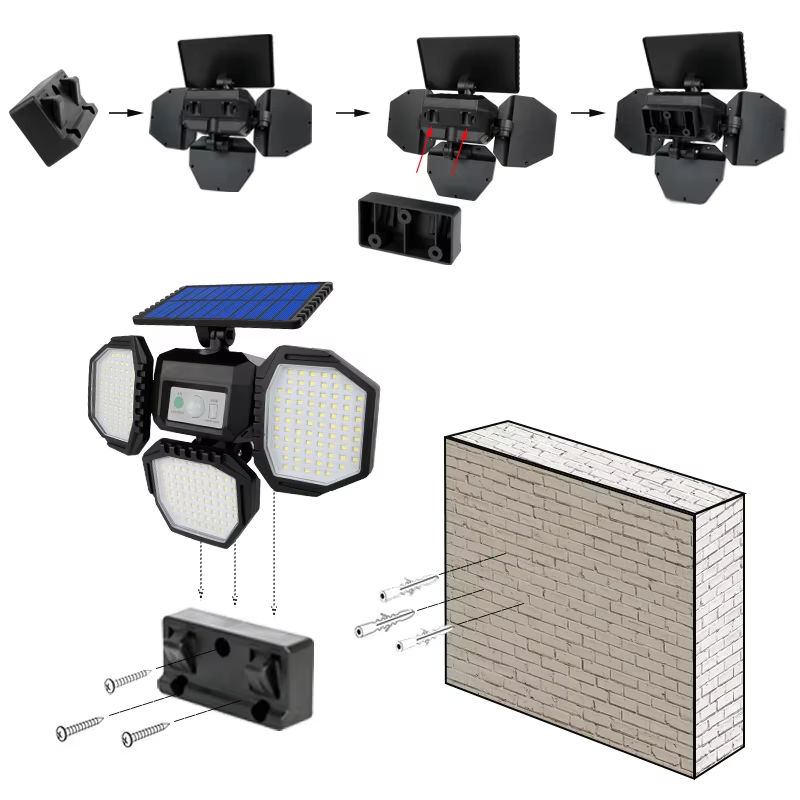
When contractors evaluate lighting solutions for large-scale installations, the decision is never taken lightly. Projects spanning parking lots, commercial campgrounds, industrial perimeters, and municipal streetscapes demand fixtures that can perform reliably without driving up operational costs. In recent years, the motion solar sensor light has emerged as a preferred solution among professional contractors, largely because it aligns with the financial, logistical, and sustainability expectations of modern large-scale projects.
The shift toward solar-integrated, motion-activated lighting is not a trend driven by aesthetics alone. It is a response to real-world contractor challenges: long cable runs, complex grid connections, high energy bills, and the need for scalable deployment across dozens or even hundreds of units. A motion solar sensor light addresses all of these pain points simultaneously, which explains why procurement teams and site managers continue to specify it across an expanding range of project types.
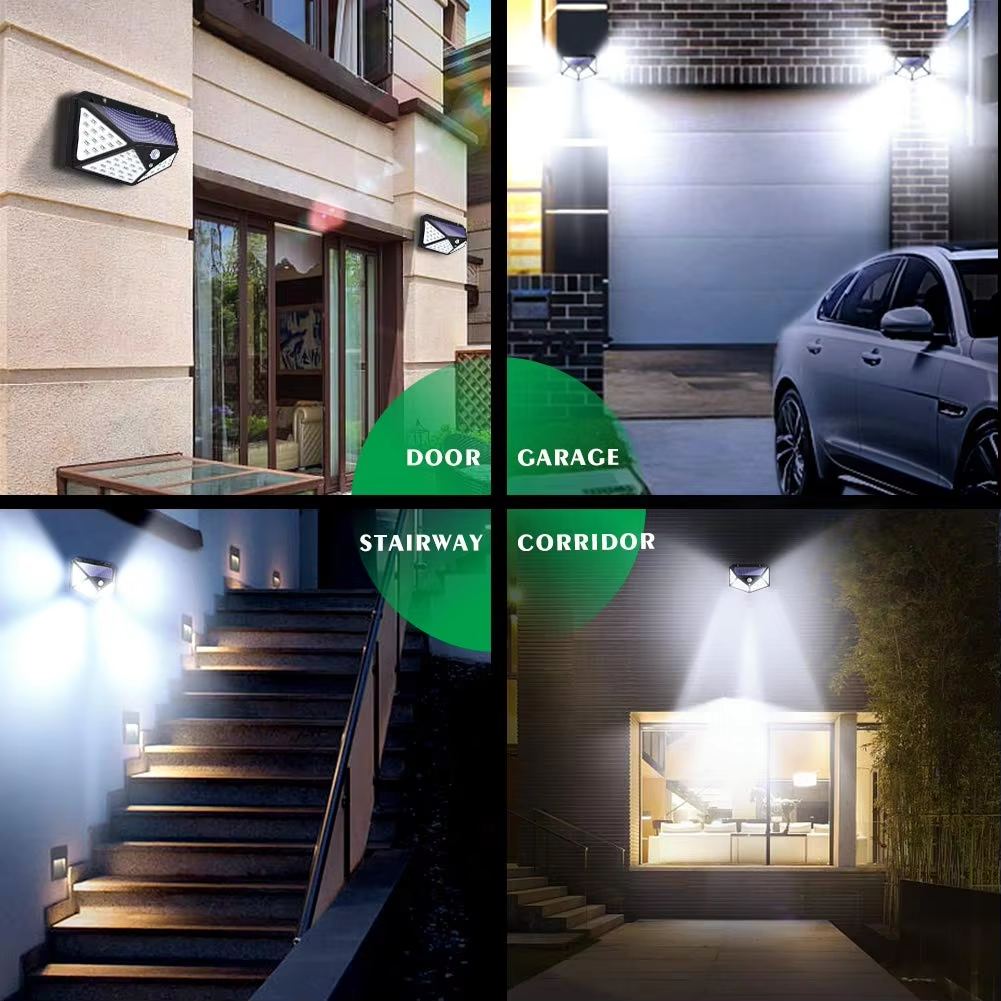
The Core Economic Case for Motion Solar Sensor Lights at Scale
Eliminating Grid Connection Costs
One of the most compelling reasons contractors turn to a motion solar sensor light for large-scale installations is the elimination of trenching and cable infrastructure. On a conventional grid-tied project, running electrical conduit across a large parking lot or industrial site can add tens of thousands of dollars in labor and materials before a single fixture is even installed. Solar-integrated units operate independently, requiring no connection to the utility grid.
This independence dramatically reduces the scope of civil works. Contractors can skip the coordination with electrical utilities, avoid permit delays tied to grid upgrades, and cut down on the number of licensed electricians required on site. For large projects with tight margins, this cost reduction can be the deciding factor in winning a bid. The motion solar sensor light effectively converts a capital-intensive electrical installation into a straightforward fixture deployment.
Moreover, the savings compound across the unit count. On a 50-light or 100-light installation, the cumulative savings from avoided trenching and grid connection work can be substantial, often justifying the per-unit premium of solar-integrated technology over conventional fixtures within the first year of operation.
Reducing Long-Term Energy Expenditure
Beyond installation, the operational cost profile of a motion solar sensor light is fundamentally different from grid-powered alternatives. Solar energy harvested during daylight hours powers the fixture through the night, which means ongoing electricity costs are negligible. For property managers responsible for large commercial or municipal sites, this translates to predictable and significantly lower utility bills.
The motion-sensing function amplifies these savings by ensuring full-brightness output is reserved for moments of actual activity. When no movement is detected, the fixture operates in a low-power ambient mode, conserving battery reserves and extending the effective operational life of each charge cycle. Over the course of a year, this behavior can reduce energy consumption per unit by a meaningful margin compared to fixtures that run at full intensity throughout the night.
Contractors who present lifecycle cost analysis to clients consistently find that the motion solar sensor light demonstrates a lower total cost of ownership over a five-to-ten-year horizon, which strengthens the business case during the bidding and approval process.
Deployment Speed and Scalability Advantages
Faster Installation Across Distributed Site Areas
Large-scale installations often involve lighting spread across expansive and irregular site layouts — distributed parking areas, perimeter fencing, pedestrian pathways, and entry points that may be separated by considerable distances. The self-contained nature of a motion solar sensor light makes it possible to install units at any location where a pole can be mounted, regardless of proximity to electrical infrastructure.
This flexibility accelerates the project timeline significantly. Installation crews can work across multiple zones simultaneously without waiting for electrical rough-in work to be completed in sequence. Each motion solar sensor light unit is an independent system, so installation does not need to follow a wiring sequence or depend on phased electrical commissioning. The result is a compressed deployment schedule that benefits both the contractor and the end client.
In remote or undeveloped sites — such as new logistics centers, agricultural facilities, or construction staging areas — the motion solar sensor light may be the only practical option. Running utility power to these locations may not be feasible within project timelines or budgets, making solar independence not just convenient but essential.
Scalability Without Infrastructure Constraints
Scaling up a grid-tied lighting installation typically requires engineering reviews, load capacity analysis, and potential substation upgrades — a process that can add months to a project schedule. With a motion solar sensor light, scaling is as simple as ordering additional units. There is no cascading infrastructure requirement tied to adding more fixtures.
This scalability is particularly valuable for phased development projects, where site lighting needs to expand incrementally over time. Contractors can install the initial phase of motion solar sensor light units quickly and then add more as construction phases progress, without revisiting electrical plans or engaging utility providers for load increases.
The modular, self-contained design also simplifies inventory management and logistics planning. Contractors can standardize on a single motion solar sensor light model across a project, reducing the complexity of procurement, spare parts management, and field crew training.
Performance Reliability in Demanding Installation Environments
Robust Construction for Outdoor Commercial Use
Contractors working on large-scale projects cannot afford to specify fixtures that require frequent replacement or generate excessive maintenance calls. The motion solar sensor light units designed for commercial and industrial deployment are typically engineered to withstand harsh environmental conditions, including temperature extremes, precipitation, humidity, and wind loading on elevated poles.
High ingress protection ratings ensure that the solar panel, LED assembly, battery pack, and motion sensor remain protected from dust and water intrusion over extended service periods. This durability is not incidental — it is a design requirement for fixtures expected to operate in outdoor environments for years without intervention. Contractors recognize that specifying a robust motion solar sensor light reduces warranty claims, return visits, and the reputational risk associated with fixtures that fail prematurely.
The LED light source itself contributes to long-term reliability. With rated lifespans often exceeding 50,000 hours, the LED array in a quality motion solar sensor light is unlikely to require replacement during the standard service life of the installation, reducing maintenance labor costs across the site.
Intelligent Operation Through Multi-Mode Functionality
Modern motion solar sensor light products designed for contractor-grade applications often include multiple lighting modes, allowing site managers to tailor behavior to specific security, safety, or energy conservation priorities. A fixture might operate in dim-hold mode during low-traffic nighttime hours and surge to full brightness upon motion detection, then return to a lower setting after a preset dwell time.
Some advanced models also incorporate remote control capabilities, enabling facility managers to adjust sensitivity settings, brightness levels, and timing parameters without requiring a technician to physically access each unit. This remote configurability is especially valuable across large installations where fixture-by-fixture manual adjustment would be impractical.
For contractors, the availability of these intelligent features allows them to offer clients a more sophisticated and site-specific lighting solution rather than a generic fixed-output fixture. The motion solar sensor light becomes a configurable tool rather than a commodity product, which supports premium positioning in competitive bids.
Alignment with Project Sustainability and Compliance Requirements
Meeting Green Building and Environmental Standards
Large commercial and municipal projects are increasingly required to meet green building standards, sustainability mandates, or environmental performance targets. Specifying a motion solar sensor light contributes directly to these goals by reducing grid energy demand, lowering the site's carbon footprint, and demonstrating commitment to renewable energy use.
In jurisdictions where dark-sky ordinances or light pollution controls are in force, the motion-activated behavior of a motion solar sensor light naturally reduces unnecessary light emission during low-activity periods. This compliance-friendly characteristic helps contractors avoid costly redesigns or variance applications that might otherwise arise from fixed-output lighting schemes.
Project owners seeking LEED certification, BREEAM ratings, or other sustainability credentials benefit from the measurable energy savings and renewable energy use associated with motion solar sensor light installations. Contractors who understand these certification pathways can position their solar lighting specifications as strategic components of the broader green building strategy, strengthening their value proposition to environmentally conscious clients.
Supporting Corporate ESG Commitments
Many large-scale installations today are commissioned by corporations with formal environmental, social, and governance commitments. Facility upgrades, campus expansions, and new distribution center developments are evaluated not only on functional performance but also on their contribution to ESG reporting metrics. A motion solar sensor light installation generates tangible data — reduced energy consumption, avoided emissions, renewable energy utilization — that feeds directly into these reports.
Contractors who can articulate the ESG value of their lighting specifications gain access to procurement conversations at a higher level within client organizations. The motion solar sensor light is no longer just a lighting fixture; it becomes part of a client's sustainability narrative, which creates stickier client relationships and repeat business opportunities for contractors who establish themselves as knowledgeable partners in this space.
This alignment between product performance and corporate sustainability goals is one of the less-discussed but genuinely significant reasons why the motion solar sensor light has found such strong acceptance among contractors working with large commercial and institutional clients.
FAQ
How many motion solar sensor light units can a contractor install per day on a large-scale project?
Installation rates vary depending on pole preparation and site conditions, but experienced crews can typically complete eight to fifteen motion solar sensor light units per day per team when working with pre-prepared mounting poles. The absence of wiring runs between fixtures means each unit is an independent task, allowing multiple crews to work in parallel across different site zones without coordination delays.
What battery backup duration should contractors specify for a motion solar sensor light in commercial applications?
For commercial large-scale installations, contractors typically specify a motion solar sensor light with a minimum of three to five days of battery backup at ambient lighting levels. This ensures continuity of operation during extended overcast periods without full recharge cycles. Projects in regions with seasonal low-sun periods should specify higher capacity battery configurations to maintain reliable nightly performance year-round.
Can a motion solar sensor light be integrated with a centralized site management or security system?
Select motion solar sensor light models support integration with property management and security platforms through wireless communication protocols or remote control systems. While not all units offer this capability, contractor-grade products designed for large installations increasingly include features that allow status monitoring and setting adjustments from a central interface, supporting broader site management workflows.
What maintenance schedule should contractors communicate to clients for a motion solar sensor light installation?
A well-specified motion solar sensor light requires minimal routine maintenance. Contractors typically recommend an annual inspection covering solar panel surface cleaning, mounting hardware torque checks, and motion sensor sensitivity verification. Battery replacement, if needed, generally falls outside the first five years of operation for quality units. Communicating this low-maintenance profile to clients is an important part of the total value proposition contractors present during the specification process.
Table of Contents
- The Core Economic Case for Motion Solar Sensor Lights at Scale
- Deployment Speed and Scalability Advantages
- Performance Reliability in Demanding Installation Environments
- Alignment with Project Sustainability and Compliance Requirements
-
FAQ
- How many motion solar sensor light units can a contractor install per day on a large-scale project?
- What battery backup duration should contractors specify for a motion solar sensor light in commercial applications?
- Can a motion solar sensor light be integrated with a centralized site management or security system?
- What maintenance schedule should contractors communicate to clients for a motion solar sensor light installation?
