 EN
EN

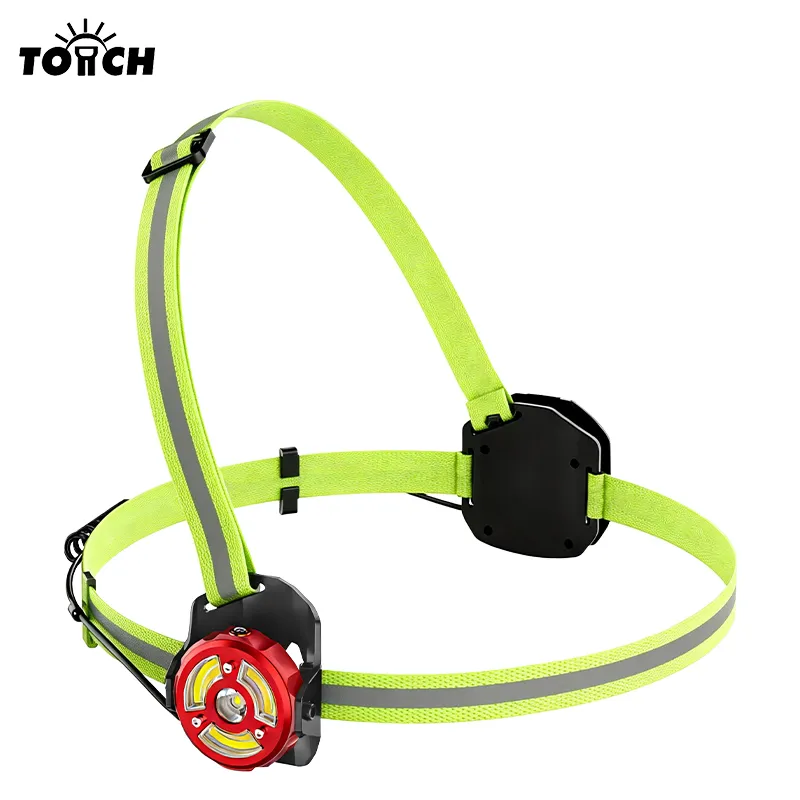
When darkness falls in the middle of a trail, a power outage strikes unexpectedly, or a search-and-rescue team deploys in low-light conditions, the quality of personal lighting becomes a critical factor in performance and safety. A reliable LED headlamp has become one of the most essential tools for professionals, outdoor enthusiasts, and emergency responders alike. Understanding how this technology works and why it dramatically outperforms older lighting solutions helps buyers and organizations make better, more informed decisions when lives and missions depend on clear, consistent light.
The LED headlamp represents a significant leap forward from incandescent and halogen alternatives. By combining high-efficiency light-emitting diode technology with ergonomic hands-free design, modern LED headlamp models deliver powerful, directional illumination precisely where the user is looking. Whether used during night hiking, automotive repair in confined spaces, emergency medical response, or disaster relief operations, a well-designed LED headlamp improves situational awareness, reduces accident risk, and allows operators to maintain full productivity in environments where ambient light is completely absent.
The Science Behind LED Headlamp Visibility Performance
How LED Technology Generates Superior Illumination
Light-emitting diodes operate by passing an electrical current through a semiconductor material, which causes the material to emit photons. Unlike incandescent bulbs that waste a significant percentage of energy as heat, an LED headlamp converts electricity into light with exceptional efficiency. This efficiency means that for the same battery capacity, an LED headlamp can emit far more usable lumens over a longer period than older bulb technologies.
Modern LED headlamp units designed for demanding applications now regularly achieve outputs of 500, 800, or even 1000 lumens or more. At these brightness levels, a user can clearly illuminate a path, identify hazards at distance, or read instrument panels in complete darkness. The directional nature of LED output also means light is focused where it matters most rather than being scattered in all directions inefficiently.
Color rendering is another critical visibility factor that LED headlamp technology handles well. High-quality LEDs produce a color temperature close to natural daylight, which helps the human eye distinguish colors and fine details far more accurately than the yellow-orange tone of traditional bulbs. In emergency triage situations or when identifying trail markers, this accurate color rendering directly contributes to faster decision-making.
Beam Design and Its Role in Practical Visibility
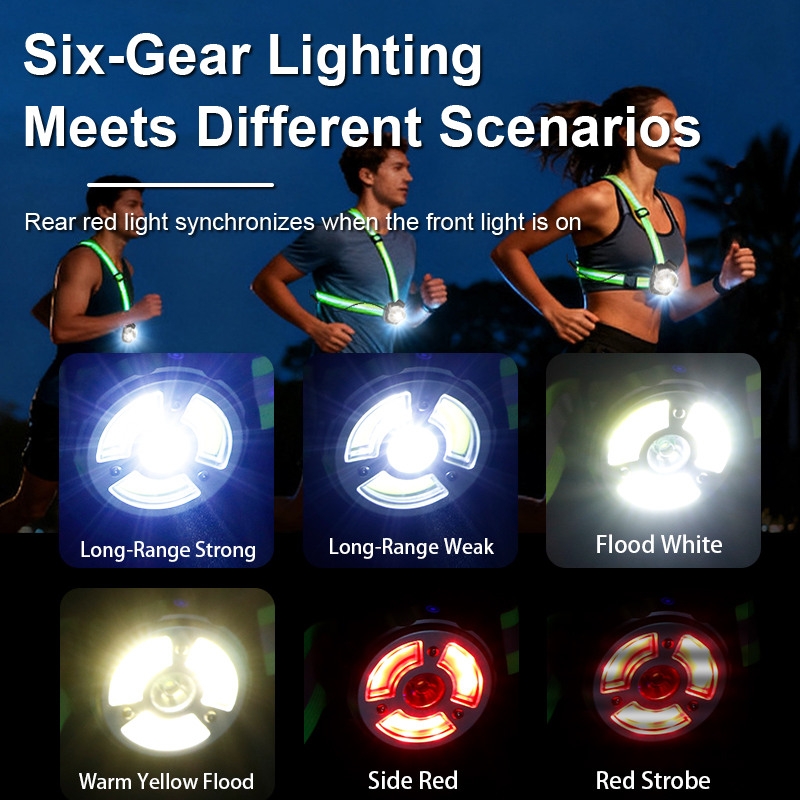
Not all light output translates equally into practical visibility. A well-engineered LED headlamp uses reflector or lens optics to shape the beam profile for specific tasks. Flood beams provide wide-angle illumination ideal for close-range work such as setting up camp, examining equipment, or navigating a tight rescue corridor. Spot beams concentrate light into a narrow, long-reaching cone suitable for identifying distant objects on a trail or scanning an emergency scene.
Many contemporary LED headlamp designs incorporate switchable or adjustable beam modes, allowing the user to shift between flood and spot configurations without carrying multiple devices. This flexibility is particularly valuable for emergency personnel who may need to work at a workbench one moment and scan across open terrain the next. A single multifunctional LED headlamp with a well-designed optical system can realistically replace several different lighting tools.
The inclusion of a red light mode in many LED headlamp units adds another dimension of visibility management. Red light preserves natural night vision, making it invaluable for military personnel, astronomers, search teams, and anyone who needs to move between illuminated and dark environments without repeatedly losing their adapted night vision. The red flash or strobe setting also serves as a distress signal in emergency scenarios, significantly extending the safety utility of a single LED headlamp.
Outdoor Applications Where LED Headlamps Make a Critical Difference
Hiking, Camping, and Trail Navigation
For outdoor enthusiasts, visibility on the trail after dark is not merely a comfort issue — it is a safety imperative. An LED headlamp provides hands-free illumination that keeps both hands available for trekking poles, rock surfaces, or gear adjustments. The beam moves naturally with the user's line of sight, eliminating the awkward shadowing and misdirection that comes from handheld torches.
Trail navigation in low-light or no-light conditions requires a combination of brightness, battery endurance, and reliability. Modern rechargeable LED headlamp models address all three needs simultaneously. USB-rechargeable batteries allow hikers to top off their power source at campsites using portable solar panels or power banks, ensuring continuous operation across multi-day expeditions without carrying excessive battery weight.
Waterproof ratings are equally important for outdoor use. An LED headlamp designed with robust water resistance can handle rain, stream crossings, fog, and high-humidity environments without compromising function. When conditions deteriorate unexpectedly on a mountain trail, a waterproof LED headlamp continues operating while less resilient lighting alternatives fail at the worst possible moment.
Technical Outdoor Work and Adventure Sports
Beyond hiking, an LED headlamp is an essential tool for climbers, cyclists on early morning routes, cave explorers, and backcountry skiers. In these activities, sudden changes in terrain require instant visual response. Because an LED headlamp is mounted on the head and moves with the wearer's gaze, reaction time between spotting a hazard and responding to it is minimized compared to a fixed or handheld light source.
The lightweight construction of most LED headlamp designs also makes them practical for high-intensity physical activity. A well-balanced LED headlamp fits securely on a helmet or directly on the head without creating discomfort during prolonged movement. Adjustable straps and pivoting lamp heads allow users to fine-tune beam angle depending on the terrain slope and their body position.
Durability under physical stress is another outdoor advantage of quality LED headlamp construction. LEDs themselves are solid-state devices with no filaments or glass components to break under impact. This inherent ruggedness means an LED headlamp continues to function reliably even when dropped, bumped against rock faces, or subjected to vibration during vehicle-based outdoor operations.
Emergency and Professional Applications of LED Headlamps
Search and Rescue Operations
Emergency responders working in disaster zones, collapsed structures, or wilderness search scenarios depend heavily on hands-free lighting that can operate continuously for hours. An LED headlamp provides the directional light responders need to assess structural damage, locate survivors, or safely navigate debris-filled environments, all while keeping both hands free for tools, medical equipment, or physical assistance.
The high lumen output available in professional-grade LED headlamp models ensures that rescuers can see clearly in smoke-filled or dust-obscured conditions where lower-powered lights would struggle. Penetrating a cloud of dust or light smoke requires both brightness and a tightly controlled beam, precisely the combination that a well-designed LED headlamp optical system delivers.
Battery life is a mission-critical specification for search and rescue teams. Modern rechargeable LED headlamp units with efficient power management can sustain medium brightness output for eight hours or more on a single charge. For extended operations, the ability to quickly swap batteries or recharge via a standard USB connection ensures teams do not lose lighting capability when they can least afford to.
Automotive, Industrial, and Infrastructure Emergency Work
Emergency response extends beyond wilderness and disaster scenarios into everyday industrial and infrastructure contexts. Mechanics responding to roadside breakdowns in darkness, electricians working in blacked-out buildings, or utility crews repairing critical infrastructure after a storm all require dependable, hands-free lighting. An LED headlamp meets these demands consistently across all such environments.
In confined industrial spaces such as engine bays, crawlspaces, electrical cabinets, or tunnels, the directional and compact nature of an LED headlamp makes it far more practical than any handheld alternative. The ability to aim light precisely at the work surface simply by looking at it accelerates task completion, reduces errors caused by poor visibility, and improves operator safety throughout the job.
Work light functionality combined with the mobility of an LED headlamp also supports emergency shutdown procedures in industrial facilities. Operators who must navigate complex machinery or control systems during a power failure benefit greatly from a bright, reliable LED headlamp that keeps their field of view fully illuminated regardless of which direction they are moving or which component they are focused on.
Key Features That Define a High-Performance LED Headlamp
Lumen Output, Modes, and Adjustability
Lumen output is the most commonly cited performance metric for any LED headlamp, and for good reason. Higher lumens translate directly into greater visibility distance and better performance in challenging environments. For outdoor and emergency applications specifically, an LED headlamp capable of reaching 1000 lumens provides the brightness needed for demanding real-world scenarios rather than just casual use.
Multiple brightness modes extend the versatility of a single LED headlamp dramatically. A high-output mode handles critical visibility tasks, while a mid-range mode balances brightness and battery endurance for sustained operations. A low-power mode conserves battery during less demanding tasks such as camp cooking or reading, ensuring that maximum power is available when suddenly needed. This hierarchy of modes makes a multi-mode LED headlamp substantially more useful than a single-output device.
Beam angle adjustability — either through an optical zoom mechanism or a pivoting mount — allows users to optimize the LED headlamp for both close-up work and long-range scanning without switching devices. This single-device flexibility is especially valued in emergency response contexts where carrying multiple tools is impractical and rapid adaptation to changing conditions is essential.
Rechargeability, Waterproofing, and Build Quality
A rechargeable LED headlamp eliminates the logistical burden and ongoing cost of disposable batteries. USB recharging capability, now standard in quality LED headlamp designs, allows the device to be powered from laptops, power banks, vehicle USB ports, and solar chargers, making power management far more flexible in field conditions. This compatibility with common power sources is a practical advantage that supports both planned expeditions and unexpected emergency deployment.
Waterproof construction ensures an LED headlamp performs reliably regardless of weather. Ratings such as IPX4 or higher confirm that the unit can withstand water splashes from any direction, while higher IPX ratings confirm submersion resistance for more extreme wet environments. Outdoor and emergency users operating in variable weather conditions should prioritize an LED headlamp with verified waterproof certification rather than simply weather-resistant marketing claims.
The overall build quality of an LED headlamp, including the housing material, strap system, and connector sealing, determines long-term reliability under sustained professional use. A robust LED headlamp constructed with impact-resistant materials and reinforced connection points provides years of dependable service across thousands of operating hours, representing better total cost of ownership than lower-cost alternatives that degrade quickly under real-world conditions.
FAQ
What lumen output should I look for in an LED headlamp for emergency use?
For emergency applications, an LED headlamp with at least 500 lumens is advisable, and units reaching 1000 lumens provide the best performance margin in challenging conditions such as smoke, dust, or complex rescue environments. Higher output models with multiple brightness modes allow responders to balance intensity with battery endurance across extended operations.
Is a rechargeable LED headlamp reliable enough for professional outdoor use?
Yes, modern rechargeable LED headlamp models are fully suitable for professional outdoor use. Advances in lithium battery technology and USB charging compatibility mean these units deliver long run times, quick recharging from multiple power sources, and consistent output throughout the discharge cycle. Many professionals now prefer rechargeable designs specifically because they eliminate battery procurement logistics in remote environments.
Why does an LED headlamp include a red light mode and when should it be used?
The red light mode on an LED headlamp serves two primary purposes. First, red light does not disrupt the human eye's natural night vision adaptation, making it ideal for moving between lit and dark areas without losing visual sensitivity. Second, a red flash or strobe setting functions as an emergency distress signal visible over considerable distances, expanding the safety utility of the LED headlamp beyond basic illumination.
How does waterproofing affect the choice of LED headlamp for outdoor and emergency applications?
Waterproofing is a critical selection criterion for any LED headlamp intended for outdoor or emergency deployment. Field conditions frequently involve rain, moisture, or submersion risk, and a non-waterproof unit may fail precisely when reliable lighting is most needed. Choosing an LED headlamp with a verified IPX rating appropriate to the expected environment ensures that water exposure does not compromise the device's performance or longevity during critical operations.
Table of Contents
- The Science Behind LED Headlamp Visibility Performance
- Outdoor Applications Where LED Headlamps Make a Critical Difference
- Emergency and Professional Applications of LED Headlamps
- Key Features That Define a High-Performance LED Headlamp
-
FAQ
- What lumen output should I look for in an LED headlamp for emergency use?
- Is a rechargeable LED headlamp reliable enough for professional outdoor use?
- Why does an LED headlamp include a red light mode and when should it be used?
- How does waterproofing affect the choice of LED headlamp for outdoor and emergency applications?
