 EN
EN

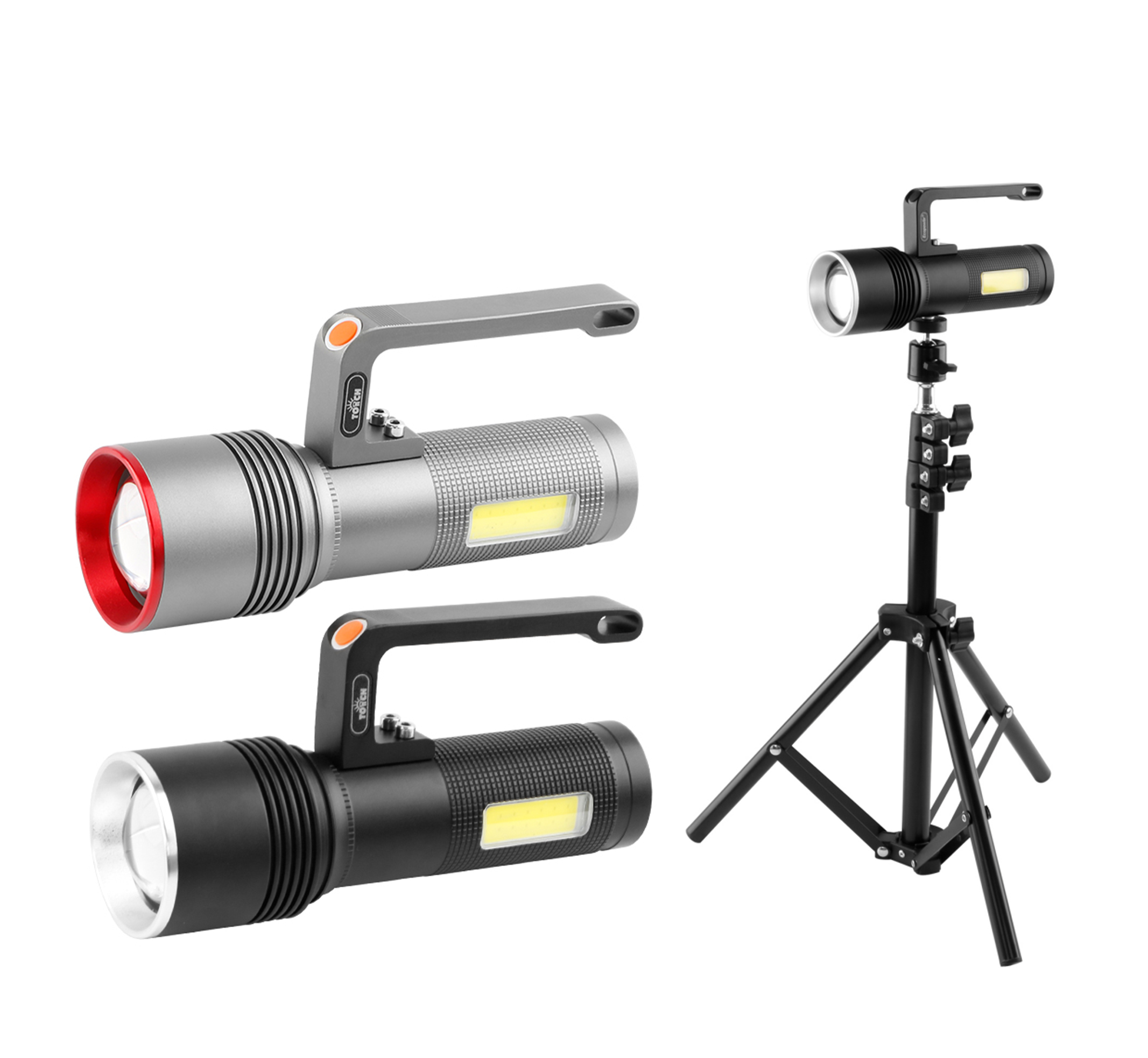
In professional environments where reliable lighting is non-negotiable, the rechargeable flashlight has become the standard tool of choice across industries. Whether deployed in emergency response, construction, security, or field inspection, a rechargeable flashlight delivers consistent, high-output illumination without the unpredictable failure of disposable batteries. Professionals demand tools that perform reliably under pressure, and the rechargeable flashlight meets that standard with every deployment.
The widespread adoption of the rechargeable flashlight in professional settings is not accidental. It reflects a deliberate shift in how organizations approach operational readiness, cost management, and environmental responsibility. Understanding why the rechargeable flashlight has replaced traditional battery-powered alternatives reveals important insights about modern professional standards and practical field requirements. This article explores the core reasons behind the rechargeable flashlight's dominance in professional applications.
Operational Reliability That Professionals Depend On
Consistent Power Output in Demanding Conditions
A rechargeable flashlight is engineered to maintain stable brightness output throughout its discharge cycle. Unlike disposable-battery flashlights that dim progressively as cells deplete, a quality rechargeable flashlight sustains full luminous intensity until the battery reaches a low threshold. This consistency is critical in professional scenarios such as search-and-rescue operations, night-time facility inspections, and law enforcement patrols, where sudden dimming can compromise safety. A rechargeable flashlight built for professional use often features multiple output modes, allowing operators to optimize between maximum brightness and extended runtime depending on the mission profile.
Professional-grade rechargeable flashlight models are also designed with robust charging systems that accept rapid charging, reducing downtime between shifts. Many organizations now issue a rechargeable flashlight as standard equipment precisely because teams can recharge units at base stations between deployments, ensuring every rechargeable flashlight is at full capacity when needed. This operational predictability is something disposable batteries simply cannot offer at scale.
Durability Built for Field Use
The rechargeable flashlight designed for professional use typically carries ratings for water resistance, impact resistance, and extreme temperature tolerance. A tactical rechargeable flashlight often features an aircraft-grade aluminum body, reinforced lens, and sealed compartments that protect internal electronics during rough handling. Field professionals working in wet environments, confined spaces, or high-impact conditions rely on a rechargeable flashlight that can withstand the physical demands of the job. This durability ensures that the rechargeable flashlight remains a dependable tool rather than a liability in critical moments.
Long-Term Cost Efficiency for Organizations
Eliminating Recurring Battery Expenses
One of the most compelling reasons organizations adopt the rechargeable flashlight at scale is the significant reduction in consumable costs. A rechargeable flashlight eliminates the recurring expense of purchasing disposable batteries, which accumulates rapidly across large teams or facilities. For organizations deploying dozens or even hundreds of units, switching to a rechargeable flashlight yields measurable cost savings within months. The rechargeable flashlight may carry a higher upfront cost than a basic disposable-battery unit, but total cost of ownership over a two-to-three-year period consistently favors the rechargeable flashlight.
Procurement managers in sectors such as utilities, construction, and security have recognized that the rechargeable flashlight reduces both direct costs and the administrative burden of managing battery inventory. When every team member carries a rechargeable flashlight, supply chain complexity shrinks considerably. Organizations can standardize charging infrastructure and schedule maintenance cycles for each rechargeable flashlight, rather than managing unpredictable battery replacement schedules across multiple flashlight models.
Reduced Equipment Downtime
A rechargeable flashlight with a high-capacity lithium battery can sustain runtime that far exceeds what a set of disposable alkaline cells can provide at equivalent brightness. This extended runtime means fewer interruptions during extended operations. When a rechargeable flashlight does require recharging, the process is straightforward and controllable, unlike the variable degradation of disposable cells. Maintenance teams can integrate rechargeable flashlight charging routines into daily equipment checks, ensuring operational continuity across every shift.
Environmental and Compliance Advantages
Supporting Sustainability Goals
The rechargeable flashlight contributes directly to an organization's sustainability objectives by dramatically reducing battery waste. A single rechargeable flashlight can replace hundreds of disposable batteries over its service life. For companies operating under environmental compliance frameworks or pursuing sustainability certifications, adopting the rechargeable flashlight across operations is a practical, visible step toward reducing hazardous waste. Regulatory environments in many regions are also tightening restrictions on disposable battery disposal, making the rechargeable flashlight an increasingly compliance-aligned choice.
Beyond regulatory compliance, the rechargeable flashlight aligns with the growing expectation from clients, partners, and employees that organizations actively minimize their environmental footprint. Choosing a rechargeable flashlight over single-use alternatives demonstrates operational responsibility without sacrificing performance. The rechargeable flashlight thus serves both a practical function and a reputational one for environmentally conscious organizations.
Alignment with Modern Safety Standards
Many industry safety standards now specify performance requirements that a modern rechargeable flashlight can meet or exceed, while older disposable-battery flashlights often fall short. A high-lumen rechargeable flashlight with zoom capability and waterproof construction satisfies requirements across sectors including mining, oil and gas, and emergency services. Compliance officers and safety managers find that specifying a rechargeable flashlight in equipment standards simplifies procurement, reduces variance in field equipment quality, and supports audit readiness.
FAQ
How long does a professional rechargeable flashlight typically last on a single charge?
A professional rechargeable flashlight with a high-capacity lithium-ion battery can typically run for two to ten hours depending on the output mode selected. On lower brightness settings, many rechargeable flashlight models extend runtime significantly, making them suitable for extended field operations without interruption.
Is a rechargeable flashlight safe to use in hazardous or wet environments?
Yes, a professional-grade rechargeable flashlight is designed to meet water resistance and impact resistance standards suitable for hazardous conditions. Many rechargeable flashlight models carry IPX ratings confirming their ability to withstand immersion or heavy rain, making them reliable for use in demanding outdoor and industrial environments.
What charging options are available for a rechargeable flashlight in the field?
Most professional rechargeable flashlight units support USB-C or proprietary charging cables, allowing recharging from vehicle power outlets, portable power banks, or standard wall adapters. Some rechargeable flashlight models also support solar charging accessories, providing flexibility for teams operating in remote locations without consistent access to grid power.
