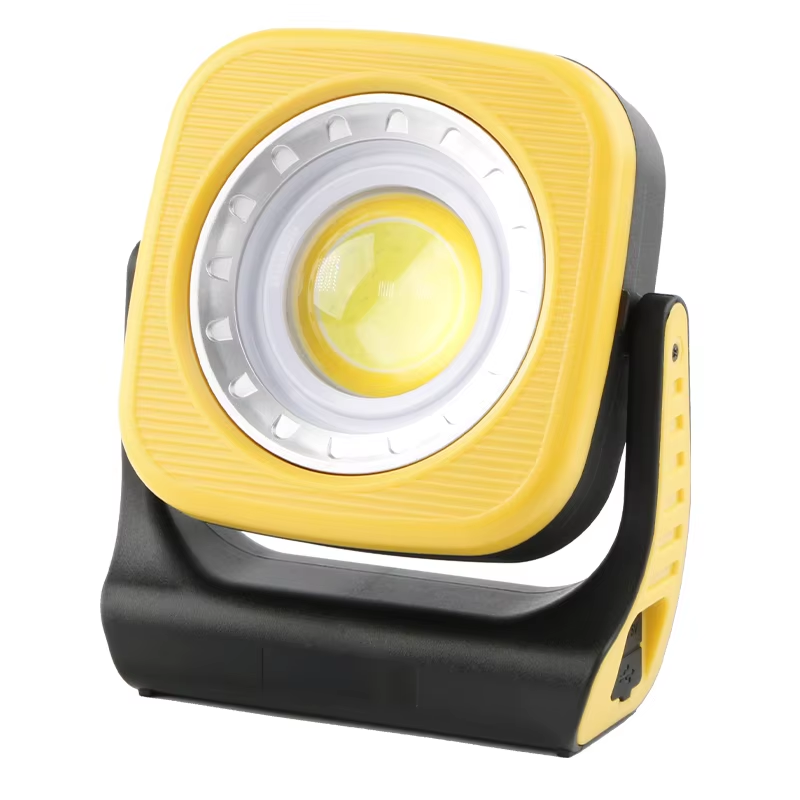
Rechargeable Convenience with Superior Battery Technology
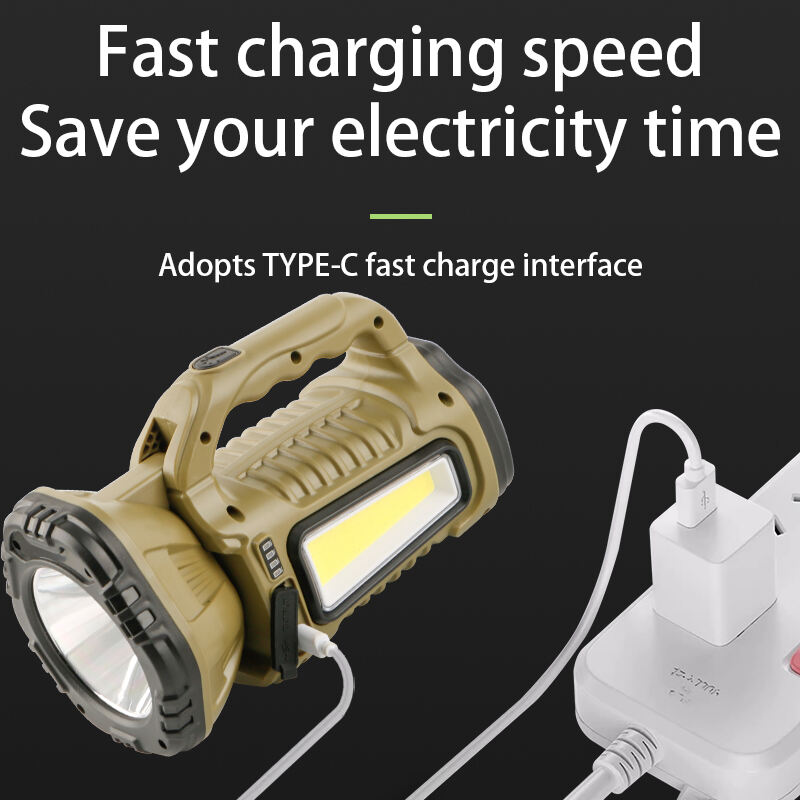
The rechargeable capability of a high lumens rechargeable led flashlight represents a fundamental advantage that distinguishes these devices from disposable battery alternatives, offering convenience, economy, and environmental responsibility in one feature. Modern rechargeable flashlights utilize advanced lithium-ion battery technology, typically employing 18650, 21700, or 26650 cell formats that provide exceptional energy density, delivering sustained power output throughout extended use periods. These battery systems integrate intelligent management circuits that monitor charge levels, regulate current flow, and protect against overcharging, over-discharging, and short circuits, ensuring both safety and longevity. The practical benefits manifest immediately in reduced operational costs, as a single rechargeable battery can replace hundreds or thousands of disposable cells over the flashlight's lifespan, generating substantial savings that quickly offset the higher initial investment. Charging convenience has evolved significantly, with contemporary models offering multiple charging options including USB-C ports that connect to computer USB ports, wall adapters, power banks, or vehicle charging outlets, ensuring you can replenish power wherever electrical sources exist. Some premium high lumens rechargeable led flashlight models incorporate magnetic charging interfaces that attach securely without requiring cable insertion, while others feature wireless charging capability for ultimate convenience. Battery indicators provide real-time information about remaining charge, eliminating guesswork and allowing proactive charging before complete depletion occurs during critical activities. Runtime performance varies based on selected brightness modes, with lower settings extending operation to dozens of hours while maximum output typically sustains for several hours, providing flexibility to balance brightness needs against duration requirements. The environmental impact reduction achieved through rechargeable technology cannot be overstated, as disposable batteries contain harmful chemicals and heavy metals that contaminate soil and water when improperly disposed, whereas rechargeable cells undergo hundreds of charge cycles before requiring replacement. Battery capacity continues advancing, with newer cell formats offering increased energy storage in similar physical dimensions, translating to longer runtimes and extended periods between charging sessions. Fast charging technology implemented in modern devices reduces charging time significantly, with some models reaching full capacity in under three hours, ensuring your flashlight returns to service quickly. Temperature management systems prevent overheating during charging and use, protecting battery integrity and maintaining optimal performance across varying environmental conditions.
 EN
EN