 EN
EN

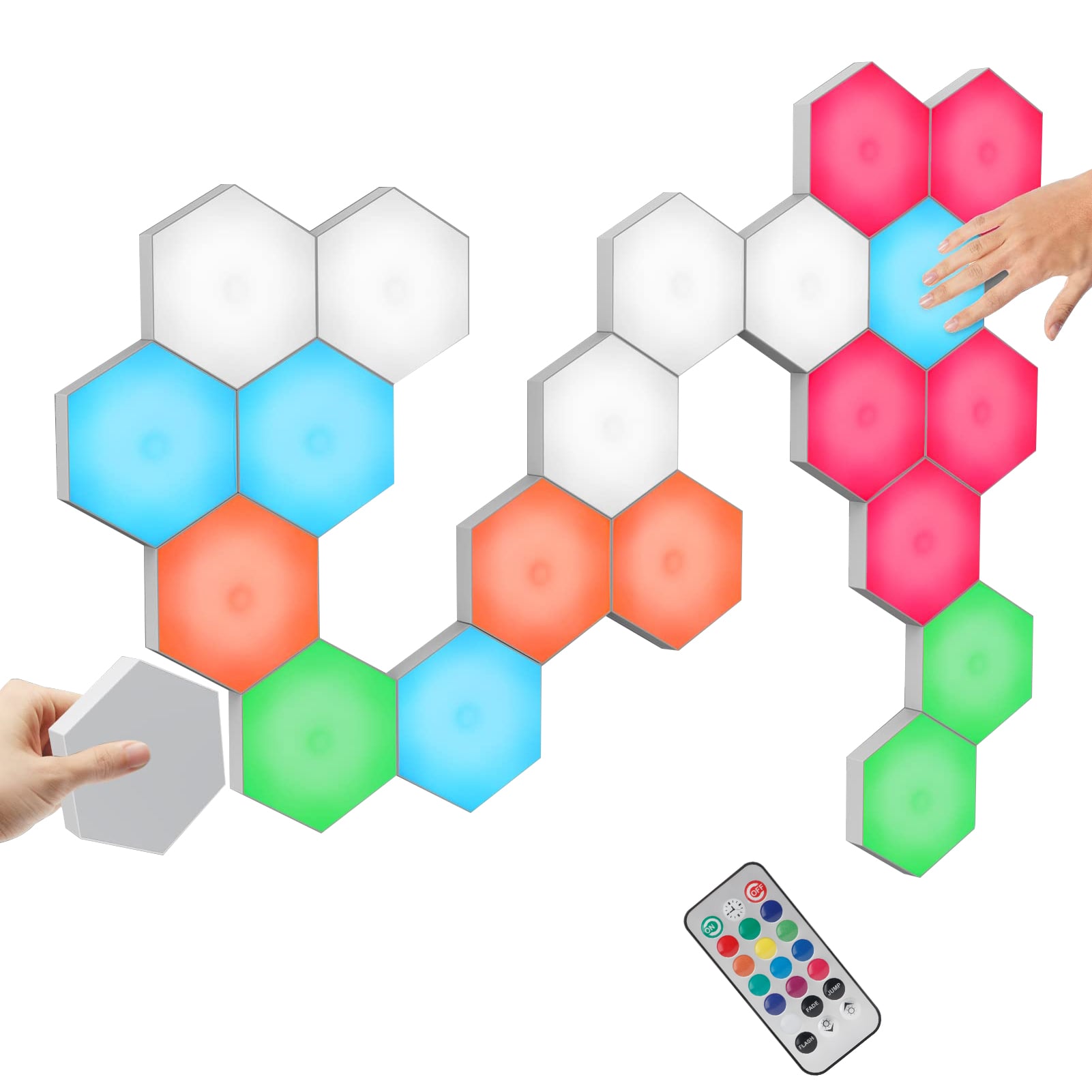
The importance of proper illumination during nighttime hours cannot be overstated, particularly for vulnerable populations such as the elderly and visually impaired individuals. Night lights serve as crucial safety devices that bridge the gap between complete darkness and harsh overhead lighting, providing gentle illumination that helps prevent accidents and promotes independence. These specialized lighting solutions have evolved significantly from simple plug-in units to sophisticated, feature-rich devices that address specific mobility and vision challenges faced by older adults and those with visual impairments.
The demographic shift toward an aging population has highlighted the critical need for accessible home modifications that support aging in place. Night lights represent one of the most cost-effective and immediately impactful interventions that can dramatically improve quality of life and safety outcomes. For individuals with diminished vision due to age-related conditions like macular degeneration, cataracts, or diabetic retinopathy, these lighting solutions provide essential navigation assistance during vulnerable nighttime hours.
Understanding the Unique Lighting Needs of Vulnerable Populations
Age-Related Vision Changes and Their Impact
As individuals age, their visual systems undergo natural changes that significantly affect their ability to navigate safely in low-light conditions. The pupil becomes less responsive to light changes, reducing the eye's ability to adjust quickly between bright and dark environments. Additionally, the lens of the eye becomes less transparent and more rigid, diminishing light transmission and making night lights an essential compensatory tool for maintaining independence and safety.
The retina also experiences age-related changes, including reduced sensitivity to light and decreased contrast perception. These physiological modifications mean that older adults require significantly more illumination than younger individuals to perform the same visual tasks safely. Night lights address this increased lighting requirement by providing consistent, low-level illumination that supports visual function without causing discomfort or disrupting sleep patterns.
Common Visual Impairments Affecting Daily Navigation
Various eye conditions disproportionately affect older adults and create specific challenges that night lights can help address. Glaucoma, which damages peripheral vision, makes it difficult to detect obstacles or changes in floor elevation during nighttime movement. Macular degeneration affects central vision, making it challenging to see fine details or read labels in dim lighting conditions, highlighting the importance of strategically placed illumination.
Cataracts create additional complications by scattering light and reducing contrast sensitivity, making it difficult to distinguish between different surfaces or identify potential hazards. Diabetic retinopathy can cause fluctuating vision changes, creating unpredictable challenges in low-light navigation. Night lights provide consistent environmental support that helps compensate for these varying visual challenges, offering reliable illumination regardless of daily vision fluctuations.
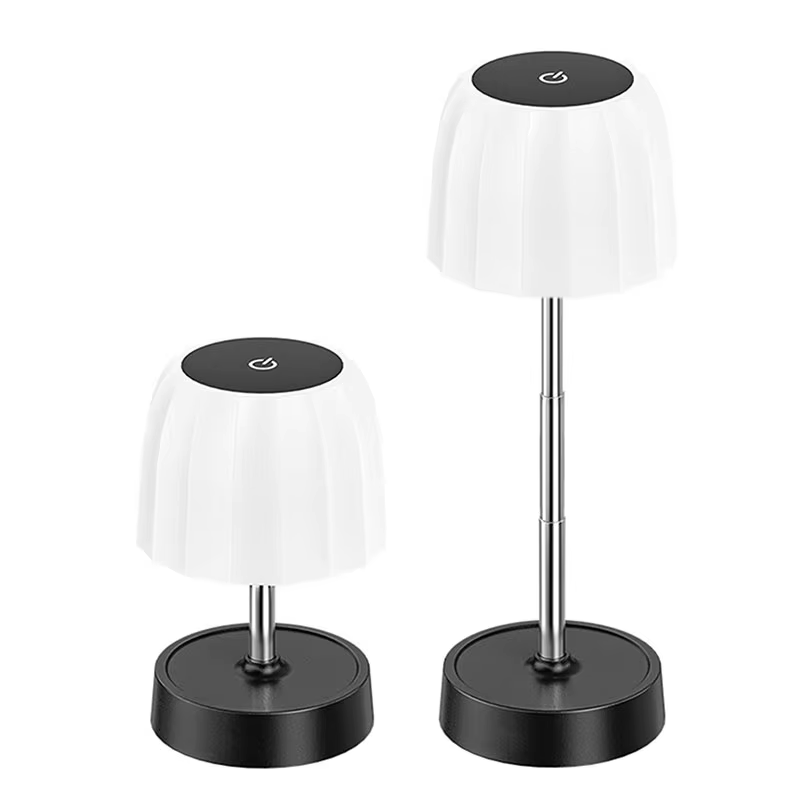
Safety Benefits and Fall Prevention
Reducing Nighttime Fall Risks
Falls represent the leading cause of injury-related death among older adults, with the majority occurring during nighttime hours when lighting conditions are inadequate. Night lights play a crucial role in fall prevention by eliminating dangerous transitions between light and dark areas that can cause temporary blindness and disorientation. The gentle illumination provided by these devices allows the eyes to maintain partial adaptation to darkness while still providing sufficient light for safe navigation.
Strategic placement of night lights creates a continuous pathway of illumination from bedrooms to bathrooms, kitchens, and other frequently accessed areas during nighttime hours. This lighting pathway eliminates the need for individuals to navigate in complete darkness or fumble for light switches, both of which significantly increase fall risk. The consistent, low-level lighting helps maintain spatial orientation and depth perception, critical factors in preventing missteps and falls.
Creating Safer Home Environments
Beyond fall prevention, night lights contribute to overall home safety by improving visibility of potential hazards such as loose rugs, furniture edges, or changes in floor elevation. The subtle illumination helps individuals identify and avoid obstacles that might otherwise go unnoticed in darkness. This enhanced environmental awareness is particularly important for people using mobility aids such as walkers or canes, as these devices require additional spatial awareness for safe operation.
Modern night lights often incorporate motion sensors and automatic activation features that ensure illumination is available exactly when and where it's needed. These smart features eliminate the need for manual operation, which can be challenging for individuals with arthritis or limited dexterity. The automatic functionality also ensures that lighting support is consistently available, reducing the risk of accidents caused by forgotten or manually disabled lighting systems.
Psychological and Emotional Benefits
Reducing Anxiety and Fear of Darkness
The psychological impact of vision loss or age-related visual decline extends far beyond physical safety concerns. Many elderly and visually impaired individuals experience heightened anxiety about navigating their homes in darkness, leading to increased stress and reduced quality of life. Night lights provide psychological comfort by creating a sense of security and control over the environment, allowing individuals to maintain confidence in their ability to move safely through their living spaces.
The gentle illumination from night lights helps reduce the fear and disorientation that can accompany sudden awakening in complete darkness. This psychological benefit is particularly important for individuals experiencing cognitive changes related to aging, as familiar environments can become confusing and threatening without adequate lighting reference points. The consistent presence of soft lighting helps maintain spatial orientation and provides comforting environmental cues that support mental well-being.
Promoting Independence and Dignity
Maintaining independence is a primary concern for older adults and individuals with visual impairments, and night lights play a significant role in supporting this independence. By providing reliable illumination that doesn't require assistance from others, these devices enable individuals to maintain their autonomy in performing basic daily activities such as using the bathroom or accessing the kitchen during nighttime hours.
The dignity preserved through continued independence has profound implications for mental health and overall quality of life. Night lights eliminate the need to wake family members or caregivers for assistance with basic nighttime navigation, helping individuals maintain their sense of self-sufficiency and personal dignity. This independence support is crucial for psychological well-being and can significantly impact an individual's willingness to continue living independently in their own home.
Types and Features of Modern Night Lights
Traditional Plug-In and Battery-Operated Options
Traditional night lights have evolved significantly from simple incandescent bulbs to incorporate energy-efficient LED technology that provides superior illumination while consuming minimal electricity. Plug-in models offer the convenience of continuous operation without battery replacement concerns, making them ideal for permanent installation in frequently used pathways. These units often feature photosensors that automatically activate the light in darkness and deactivate during daylight hours.
Battery-operated night lights provide greater placement flexibility, allowing installation in areas without convenient electrical outlets. Modern battery technology ensures extended operation periods, with some units providing months of continuous use on a single set of batteries. The portability of battery-operated units makes them particularly valuable for individuals who travel or need temporary lighting solutions in various locations throughout their homes.
Smart and Motion-Activated Technologies
Advanced night lights incorporate sophisticated motion detection technology that activates illumination only when movement is detected, conserving energy while ensuring light availability when needed. These smart systems can be programmed with different sensitivity levels and duration settings to accommodate individual preferences and usage patterns. The motion activation feature is particularly beneficial for individuals with limited mobility who may move slowly through their environment.
Some modern night lights feature connectivity options that allow integration with smart home systems, enabling remote control and monitoring capabilities. These advanced features can provide valuable data about nighttime movement patterns, which can be useful for family members or caregivers monitoring the well-being of elderly relatives. The technological sophistication of contemporary night lights ensures that users have access to customizable lighting solutions that can adapt to their specific needs and preferences.
Strategic Placement and Installation Guidelines
Essential Locations for Maximum Effectiveness
The effectiveness of night lights depends largely on strategic placement that creates continuous illuminated pathways between key areas of the home. Primary locations include the bedroom, bathroom, and any corridors connecting these spaces, as these represent the most frequently traveled nighttime routes. Placement near the bed provides immediate orientation assistance upon awakening, while bathroom lighting ensures safe navigation during the most common nighttime activity.
Kitchen and living area placement addresses secondary nighttime needs such as accessing medication or water, while stairway illumination is critical for homes with multiple levels. Night lights should be positioned to eliminate dark zones and provide overlapping coverage that ensures no area of the travel path remains unilluminated. The height and angle of placement should consider wheelchair accessibility and the typical eye level of users to maximize effectiveness.
Avoiding Common Installation Mistakes
Proper installation of night lights requires attention to several common mistakes that can reduce their effectiveness or create new hazards. Over-illumination from too many units or excessively bright settings can cause glare and temporary blindness, actually increasing fall risk rather than reducing it. The goal is to provide sufficient illumination for safe navigation without creating harsh contrasts or overwhelming brightness that disrupts sleep patterns.
Inadequate coverage that leaves dark gaps between illuminated areas can create dangerous transition zones where vision adaptation is compromised. Regular maintenance, including cleaning of sensors and replacement of batteries, ensures consistent operation when needed most. Consideration of existing home lighting and natural light sources helps optimize night lights placement for maximum effectiveness while avoiding redundancy or interference with other lighting systems.
Health and Sleep Considerations
Minimizing Sleep Disruption
The selection and placement of night lights must balance safety illumination needs with sleep quality preservation, as excessive or inappropriate lighting can disrupt natural circadian rhythms. Modern night lights often incorporate warm color temperatures and dimming capabilities that provide necessary visibility while minimizing melatonin suppression and sleep interference. The use of red or amber colored illumination has been shown to have less impact on sleep patterns compared to blue or white light sources.
Placement considerations should account for direct line-of-sight from sleeping areas, with lights positioned to provide pathway illumination without creating bedroom lighting that might interfere with sleep quality. Motion-activated units are particularly beneficial in this regard, as they remain dark during periods of rest while automatically providing illumination when movement is detected. This selective activation preserves the sleep environment while ensuring safety support is available when needed.
Supporting Medication Management and Health Routines
Night lights play an important role in supporting medication adherence and health management routines that often occur during nighttime hours. Adequate illumination enables individuals to safely access and identify medications, reducing the risk of dosing errors that can occur in low-light conditions. The ability to read medication labels and distinguish between different pills or bottles is crucial for maintaining health and preventing dangerous medication mistakes.
For individuals with chronic conditions requiring nighttime monitoring or treatment, night lights provide the consistent illumination necessary for safe equipment operation and health management tasks. The reduced stress and anxiety associated with confident nighttime navigation can also have positive impacts on overall health outcomes, as chronic stress is associated with numerous adverse health effects. The psychological comfort provided by night lights contributes to better sleep quality and overall well-being.
FAQ
What is the ideal brightness level for night lights used by elderly and visually impaired individuals
The optimal brightness level for night lights should provide sufficient illumination for safe navigation without causing glare or sleep disruption. Generally, units producing between 0.5 to 4 lumens are appropriate, with adjustable brightness settings allowing customization based on individual needs and environmental conditions. The brightness should be sufficient to distinguish floor surfaces, identify obstacles, and maintain spatial orientation while remaining comfortable for night-adapted eyes.
How many night lights are needed for effective coverage in a typical home
The number of night lights needed depends on the home's layout and the specific mobility patterns of the residents. Typically, a minimum of three to five units are recommended to provide basic coverage for bedroom, bathroom, and connecting hallway areas. Larger homes or those with complex layouts may require additional units to eliminate dark zones and ensure continuous illuminated pathways. The key is creating overlapping coverage that maintains consistent low-level illumination throughout frequently traveled areas.
Are motion-activated night lights better than always-on models for elderly users
Motion-activated night lights offer several advantages for elderly and visually impaired users, including energy conservation, reduced light pollution in sleeping areas, and automatic activation when needed most. However, individuals with very slow movement patterns or those using mobility aids may find that standard motion sensors don't detect their movement reliably. In such cases, units with adjustable sensitivity settings or always-on models with photosensors may be more appropriate to ensure consistent illumination availability.
Can night lights help prevent confusion and disorientation in individuals with dementia
Night lights can be particularly beneficial for individuals with dementia by providing consistent environmental cues that help maintain spatial orientation and reduce confusion during nighttime hours. The gentle illumination helps preserve familiar visual landmarks and reduces the disorientation that can occur when awakening in complete darkness. However, it's important to choose warm, dim lighting that doesn't create confusing shadows or reflections that might contribute to visual hallucinations or increased agitation in some individuals with cognitive impairment.
Table of Contents
- Understanding the Unique Lighting Needs of Vulnerable Populations
- Safety Benefits and Fall Prevention
- Psychological and Emotional Benefits
- Types and Features of Modern Night Lights
- Strategic Placement and Installation Guidelines
- Health and Sleep Considerations
-
FAQ
- What is the ideal brightness level for night lights used by elderly and visually impaired individuals
- How many night lights are needed for effective coverage in a typical home
- Are motion-activated night lights better than always-on models for elderly users
- Can night lights help prevent confusion and disorientation in individuals with dementia
