 EN
EN


Cycling has experienced tremendous growth worldwide, with millions of commuters and recreational riders taking to the roads daily. However, visibility remains one of the most critical safety concerns for cyclists, particularly during dawn, dusk, and nighttime rides. Proper illumination through quality bike lights has become an indispensable component of cycling safety equipment, significantly reducing accident risks and enhancing overall riding confidence.
Modern cycling demands extend far beyond daylight hours, making reliable lighting systems essential for safe navigation. Whether commuting through urban environments or exploring rural cycling routes, adequate visibility protection ensures both personal safety and legal compliance in most jurisdictions. Understanding the importance of bike lights and selecting appropriate models can transform potentially dangerous cycling situations into secure, enjoyable experiences.
Understanding the Critical Role of Bike Lights in Cycling Safety
Legal Requirements and Regulatory Compliance
Most countries and municipalities have established specific legal requirements regarding bike lights for nighttime and low-visibility cycling. These regulations typically mandate front white lights and rear red lights during designated hours, with specific brightness standards and beam patterns. Cyclists who fail to comply with lighting regulations face potential fines, liability issues, and increased accident risks that could have been easily prevented through proper equipment selection.
Understanding local lighting laws helps cyclists choose compliant bike lights that meet minimum legal standards while providing optimal safety benefits. Many jurisdictions require lights to be visible from specific distances, typically ranging from 150 to 500 feet, depending on the light type and intended use. Professional cyclists and commuting enthusiasts often exceed these minimum requirements by selecting high-performance lighting systems that provide superior visibility and reliability.
Visibility Enhancement in Various Conditions
Effective bike lights dramatically improve visibility in multiple challenging conditions beyond complete darkness. Dawn and dusk periods, known as twilight hours, present particularly hazardous situations where natural light diminishes rapidly, making cyclists nearly invisible to motorists. Quality lighting systems ensure continuous visibility during these transitional periods when accident rates typically increase due to reduced visual awareness from all road users.
Weather conditions such as rain, fog, and snow further complicate visibility challenges, making robust bike lights essential for safe cycling year-round. Advanced lighting technologies now incorporate features like adaptive brightness, multiple beam patterns, and weather-resistant construction to maintain optimal performance regardless of environmental conditions. These technological improvements have made modern bike lights significantly more reliable and effective than previous generations of cycling illumination equipment.
Types and Technologies of Modern Bike Lights
LED Technology Advantages
Light-emitting diode technology has revolutionized bike lights by providing superior brightness, energy efficiency, and longevity compared to traditional incandescent bulbs. LED bike lights offer consistent light output throughout battery life, eliminating the gradual dimming effect common with older lighting technologies. This reliability ensures cyclists maintain optimal visibility levels throughout entire rides without experiencing sudden illumination failures that could compromise safety.
Modern LED bike lights incorporate advanced optical designs that maximize light distribution while minimizing battery consumption. These systems often feature multiple brightness settings, allowing cyclists to adjust illumination levels based on specific riding conditions and battery conservation needs. The compact size and lightweight construction of LED technology enable manufacturers to create powerful lighting solutions without adding significant weight or bulk to bicycle setups.
Rechargeable Battery Systems
USB rechargeable bike lights have become increasingly popular due to their convenience, cost-effectiveness, and environmental benefits. These systems eliminate the ongoing expense of replacement batteries while providing consistent performance through advanced lithium-ion technology. Most rechargeable bike lights feature indicator systems that display battery status, allowing cyclists to monitor power levels and plan charging schedules accordingly.
High-quality rechargeable lighting systems often include multiple charging options, such as USB-C ports, wireless charging capabilities, and even solar charging integration for extended touring applications. Battery life has improved dramatically, with many modern bike lights providing 10-20 hours of operation on lower settings and 2-4 hours on maximum brightness modes. This extended runtime capability makes rechargeable bike lights practical for long-distance commuting and multi-day cycling adventures.
Commuting Applications and Urban Cycling Benefits
Rush Hour Safety Considerations
Urban commuting presents unique challenges where bike lights serve multiple critical functions beyond basic illumination. During peak traffic hours, cyclists must compete for visibility among numerous vehicles, pedestrians, and other road users in complex environments. Strategic use of front and rear bike lights creates a distinctive visual signature that helps motorists identify and track cyclist positions throughout busy intersections and congested roadways.
Flashing modes on bike lights provide additional attention-grabbing capabilities that prove particularly effective in urban environments where visual distractions are abundant. Studies have shown that properly configured flashing bike lights can increase cyclist visibility by up to 200% compared to steady illumination alone. This enhanced visibility factor becomes crucial during winter months when daylight hours are reduced and commuting occurs primarily during dawn and dusk periods.
Infrastructure Navigation and Path Illumination
Many urban cycling routes include dedicated bike paths, tunnels, and underpasses that lack adequate lighting infrastructure. Quality bike lights enable cyclists to safely navigate these areas by providing sufficient illumination to identify obstacles, surface irregularities, and potential hazards. Proper beam patterns and brightness levels ensure cyclists can maintain appropriate speeds while having adequate reaction time for unexpected situations.
Illuminated cycling also improves interaction with pedestrians and other path users by clearly indicating cyclist presence and intended direction. This enhanced communication reduces conflicts and improves overall safety in shared-use environments where multiple user types converge. Advanced bike lights often feature side visibility elements that provide 360-degree illumination, ensuring cyclists remain visible from all angles in complex urban environments.
Road Cycling Performance and Long-Distance Applications
Training and Performance Benefits
Serious road cyclists increasingly rely on bike lights to extend training opportunities beyond daylight hours, enabling consistent workout schedules regardless of seasonal variations. High-performance lighting systems allow cyclists to maintain training intensity and technical skills during early morning and evening sessions when roads are typically less congested. This flexibility proves essential for competitive cyclists who require consistent training volumes throughout the year.
Professional-grade bike lights often incorporate features specifically designed for performance cycling, including aerodynamic mounting systems, lightweight construction, and programmable brightness profiles. These advanced features enable serious cyclists to optimize their equipment for specific training goals while maintaining safety standards. Many performance-oriented bike lights also integrate with cycling computers and power meters to provide comprehensive ride data and lighting management.
Group Riding and Peloton Safety
Group cycling activities present unique lighting challenges where individual bike lights must work collectively to ensure entire group visibility. Coordinated lighting strategies help maintain group cohesion while providing clear visual identification to approaching vehicles and other road users. Experienced group leaders often establish lighting protocols that maximize safety benefits while minimizing interference between individual rider lighting systems.
Advanced bike lights designed for group riding incorporate features like synchronized flashing modes, adjustable beam angles, and reduced glare characteristics that prevent visual interference with other cyclists. These considerations become particularly important during organized events, charity rides, and competitive activities where large groups of cyclists share roadways with vehicular traffic. Proper group lighting coordination significantly reduces accident risks and improves overall riding enjoyment for all participants.
Weather Resistance and Durability Considerations
Waterproofing and Environmental Protection
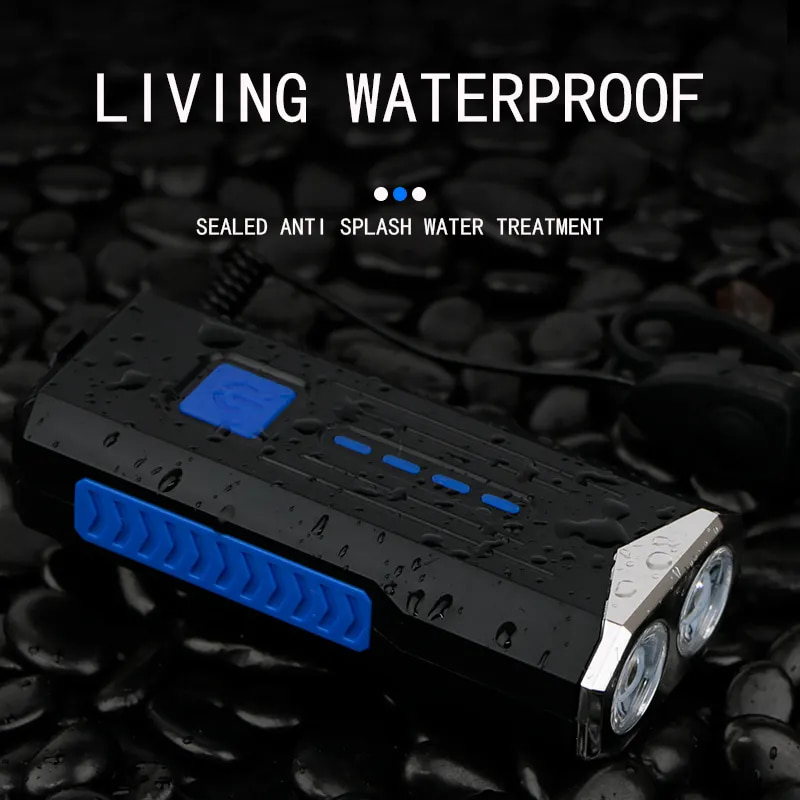
Quality bike lights must withstand various weather conditions while maintaining consistent performance throughout their operational lifespan. Advanced waterproofing technologies protect internal electronics from rain, snow, and humidity that could otherwise cause premature failure or reduced functionality. Modern bike lights often feature IPX ratings that indicate specific levels of water resistance, helping cyclists select appropriate models for their intended use conditions.
Temperature extremes also affect bike light performance, particularly battery life and LED output characteristics. High-quality lighting systems incorporate thermal management features that maintain optimal performance across wide temperature ranges, from freezing winter conditions to hot summer environments. These durability considerations prove essential for cyclists who ride year-round and require reliable equipment regardless of weather conditions.
Construction Quality and Longevity
Investment in well-constructed bike lights provides long-term value through reduced replacement costs and improved reliability compared to budget alternatives. Premium lighting systems often feature reinforced housings, shock-resistant designs, and high-grade materials that withstand the vibrations and impacts associated with regular cycling activities. These construction quality factors directly impact safety reliability and overall user satisfaction.
Many manufacturers now offer extended warranties and replacement programs that demonstrate confidence in their bike light construction quality. These support programs provide additional value and peace of mind for cyclists who depend on their lighting equipment for daily transportation and recreational activities. Regular maintenance and proper care can significantly extend the lifespan of quality bike lights while maintaining optimal performance characteristics.
Installation and Mounting Considerations
Handlebar and Frame Mounting Options
Proper mounting of bike lights ensures optimal beam positioning while maintaining secure attachment throughout various riding conditions. Most modern bike lights include versatile mounting systems that accommodate different handlebar sizes, frame configurations, and rider preferences. Quick-release mechanisms enable easy removal for charging and theft prevention while ensuring reliable attachment during rides.
Advanced mounting systems often feature tool-free installation and adjustment capabilities that allow cyclists to optimize light positioning based on specific riding conditions or bicycle setups. These user-friendly designs encourage proper installation and regular use of bike lights by eliminating complex setup procedures. Many cyclists choose to install multiple mounting points to enable quick light transfers between different bicycles or riding configurations.
Beam Angle and Positioning Optimization
Correct beam positioning maximizes the effectiveness of bike lights while preventing glare issues that could affect other road users. Front lights should typically be angled slightly downward to illuminate the road surface and nearby obstacles without creating excessive glare for oncoming traffic. Rear lights require positioning that maximizes visibility from behind while ensuring clear sightlines around rider and bicycle components.
Many modern bike lights feature adjustable beam angles and multiple mounting positions that enable precise optimization for different riding scenarios. These adjustment capabilities prove particularly valuable for cyclists who use their bicycles in various environments or share equipment between multiple riders. Proper beam positioning significantly enhances safety benefits while ensuring compliance with local regulations regarding light direction and intensity.
Battery Life and Power Management
Runtime Optimization Strategies
Effective power management extends the practical utility of bike lights while ensuring adequate illumination throughout entire rides. Most modern lighting systems offer multiple brightness modes that allow cyclists to balance visibility needs with battery conservation requirements. Understanding these power management features enables riders to optimize their bike lights for specific distance and duration requirements.
Smart power management features in advanced bike lights include automatic brightness adjustment, low battery warnings, and programmable runtime modes. These technologies help prevent unexpected power depletion while maximizing effective illumination time. Many cyclists develop personal power management strategies that incorporate backup lighting options and regular charging schedules to ensure consistent availability of reliable bike lights.
Charging Infrastructure and Convenience
Modern USB charging capabilities make maintaining bike lights significantly more convenient than traditional battery replacement systems. Most rechargeable bike lights can be charged using standard smartphone chargers, computer USB ports, or portable power banks, providing flexibility for various charging situations. This convenience factor encourages regular use and proper maintenance of lighting equipment.
Fast charging technologies have reduced charging times for many bike lights to 2-4 hours for full battery restoration. Some advanced systems support rapid charging modes that provide sufficient power for short rides within 30-60 minutes of charging time. These improvements make bike lights more practical for daily use and emergency situations where quick power restoration is essential.
Cost-Benefit Analysis and Value Considerations
Safety Investment Perspective
Investing in quality bike lights provides exceptional value when considered as essential safety equipment rather than optional accessories. The cost of premium lighting systems represents a small fraction of potential medical expenses, bicycle replacement costs, or legal liabilities associated with visibility-related accidents. This safety investment perspective helps cyclists justify spending on reliable, high-performance bike lights that provide superior protection and peace of mind.
Long-term ownership costs often favor higher-quality bike lights due to improved durability, better battery life, and reduced replacement frequency compared to budget alternatives. Professional cyclists and daily commuters frequently find that premium lighting systems provide better value through extended service life and superior performance characteristics. These factors make quality bike lights a wise investment for serious cyclists who prioritize safety and reliability.
Technology Evolution and Future-Proofing
Rapid advancement in LED technology, battery chemistry, and smart features continues to improve bike light capabilities while reducing costs and power consumption. Modern lighting systems often include upgrade paths through firmware updates, modular components, and expandable features that extend product lifespan beyond traditional replacement cycles. These technological improvements ensure that quality bike lights remain effective and relevant for years after initial purchase.
Integration with smartphone apps, GPS systems, and other cycling technologies creates additional value through enhanced functionality and user experience. Many cyclists appreciate features like automatic on/off timing, theft alerts, and ride tracking integration that transform basic bike lights into comprehensive cycling safety systems. These smart features represent the future direction of cycling illumination technology and provide compelling reasons to invest in advanced lighting solutions.
FAQ
What brightness level do I need for my bike lights?
For urban commuting, front bike lights should provide at least 200-400 lumens for adequate visibility, while rural or unlit areas may require 800-1200 lumens or more. Rear lights typically need 20-100 lumens for effective visibility. Consider your specific riding conditions, local traffic density, and available street lighting when selecting appropriate brightness levels for your cycling needs.
How long should bike light batteries last on a single charge?
Quality rechargeable bike lights should provide 2-4 hours of runtime on maximum brightness and 8-20 hours on lower settings. Battery life depends on LED efficiency, battery capacity, and selected brightness modes. For daily commuting, choose lights that provide at least twice your typical ride duration to account for battery degradation and unexpected delays.
Are expensive bike lights worth the additional cost?
Premium bike lights typically offer superior build quality, longer battery life, better weather resistance, and more reliable performance compared to budget alternatives. For regular cyclists, the improved safety, durability, and convenience features justify higher initial costs through reduced replacement needs and enhanced reliability. Consider your usage frequency and safety requirements when evaluating lighting investment levels.
Can I use my bike lights during daytime riding?
Daytime use of bike lights, particularly flashing rear lights, significantly improves cyclist visibility and safety even in bright conditions. Many cyclists run lights continuously during all rides to maximize visibility to motorists and other road users. Modern LED bike lights consume minimal power, making daytime operation practical with quality rechargeable systems designed for extended runtime capabilities.
Table of Contents
- Understanding the Critical Role of Bike Lights in Cycling Safety
- Types and Technologies of Modern Bike Lights
- Commuting Applications and Urban Cycling Benefits
- Road Cycling Performance and Long-Distance Applications
- Weather Resistance and Durability Considerations
- Installation and Mounting Considerations
- Battery Life and Power Management
- Cost-Benefit Analysis and Value Considerations
- FAQ
