 EN
EN

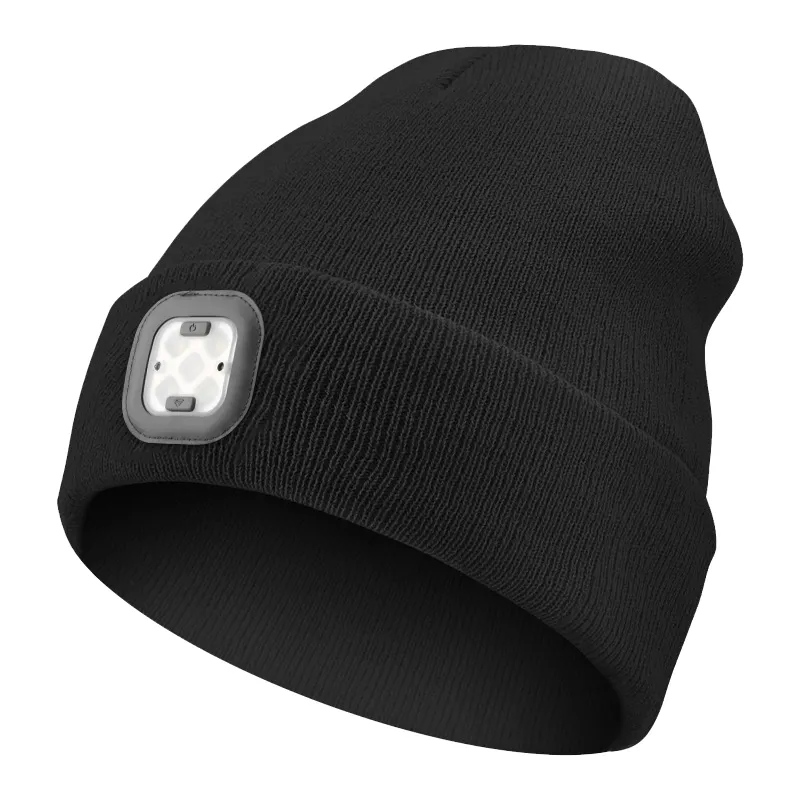
Winter outdoor working conditions demand more than standard protective gear. When temperatures drop and daylight hours shrink, workers face compounded safety challenges that ordinary beanie hats alone cannot fully address. The emergence of beanie hats equipped with integrated LED lights represents a practical solution designed specifically for professionals who work in dark, cold environments. These innovative beanie hats combine traditional insulation with hands-free illumination, creating a multifunctional tool that addresses visibility gaps during early morning shifts, late afternoon operations, and nighttime work.
Understanding whether beanie hats with integrated lighting truly deliver value requires examining the specific operational context of winter outdoor work. The answer depends on multiple factors: the nature of the task, ambient light conditions, safety regulations in your industry, and the actual brightness output of the beanie hats. This article explores the genuine utility of beanie hats with lights, moving beyond marketing claims to provide evidence-based guidance for workers and supervisors evaluating this equipment.
Why Visibility Becomes Critical During Winter Outdoor Operations
The Winter Daylight Challenge
Winter months drastically reduce available natural light across most northern regions. In many locations, sunset occurs by 4 or 5 PM, forcing outdoor work operations into darkness during what would otherwise be productive hours. Standard beanie hats offer no solution to this visibility problem. When workers lack adequate head-level lighting, they experience reduced spatial awareness, increased trip and fall risks, and compromised ability to inspect work quality. Beanie hats with integrated LED lights directly counter this challenge by providing personal illumination that moves with the wearer's head position and line of sight.
Safety Regulations and Compliance Requirements
Many industrial and construction safety standards explicitly require adequate lighting for nighttime or low-light operations. OSHA guidelines and similar international standards mandate that workers maintain visibility sufficient to perform their tasks safely. Beanie hats with built-in lights help organizations meet these compliance requirements while maintaining worker mobility. Unlike stationary work lights that illuminate only a fixed area, beanie hats ensure that lighting follows the worker wherever they move, adapting to changing task focus and eliminating shadows that could obscure hazards.
Practical Benefits of Beanie Hats with Integrated Lighting
Hands-Free Operation and Task Flexibility
Beanie hats with LED lights provide illumination without occupying the worker's hands, which is essential for tasks requiring both hands for operation or balance. Unlike flashlights or helmet-mounted spotlights that demand positioning or adjustment, beanie hats deliver consistent head-level lighting automatically. Workers managing tools, equipment, or climbing gear benefit tremendously from this hands-free approach. The directional beam from beanie hats improves peripheral visibility and reduces the cognitive load of managing separate lighting equipment, allowing workers to concentrate fully on their primary tasks.
Thermal Insulation Combined with Functionality
Quality beanie hats provide essential head and ear insulation during winter conditions, and adding LED functionality preserves this core benefit. Unlike external light sources that could interfere with thermal protection, beanie hats integrate lighting without compromising the insulating material. The combination means workers don't choose between warmth and visibility but receive both simultaneously. This dual functionality makes beanie hats particularly valuable for extended outdoor work sessions where removing headgear periodically isn't practical or safe.
Personal Safety and Visibility to Others
Beanie hats with lights enhance both direct task visibility and the worker's visibility to others on the job site. The illuminated profile of beanie hats makes workers more conspicuous to vehicle operators, equipment handlers, and fellow team members in low-light conditions. This increased visibility reduction risk of accidental contact incidents and improves coordination among multiple workers. For teams operating in dark environments, beanie hats with integrated lights create a practical safety enhancement that extends beyond individual task lighting to site-wide safety culture.
Realistic Limitations and Consideration Factors
Light Output and Coverage Specifications
Not all beanie hats with LED features deliver equivalent performance. Brightness varies significantly depending on LED quality, power supply capacity, and optical design. Some beanie hats produce only supplemental illumination suitable for close-range work, while others generate sufficient light for broader area visibility. Before selecting beanie hats for critical operations, confirm that the actual lumen output and beam pattern match your specific task requirements. Testing beanie hats in your actual working environment reveals whether the integrated lighting provides adequate brightness or serves primarily as a safety indicator rather than primary task illumination.
Battery Life and Operational Duration
Integrated LED systems in beanie hats depend on battery capacity and usage patterns. Continuous operation typically provides 8 to 20 hours of runtime depending on the model, but this varies with brightness settings and battery age. For workers on extended shifts or multiple consecutive workdays, understanding battery life becomes critical. Some beanie hats feature replaceable batteries while others use rechargeable systems. Planning charging cycles and maintaining spare units ensures that beanie hats remain functional throughout your operational schedule without unexpected power loss during critical tasks.
Comfort and Extended Wear Considerations
Integrated LED systems add minor weight to beanie hats, and battery compartments create small pressure points that standard beanies don't have. For workers wearing beanie hats continuously during full shifts, these additions may cause discomfort during extended periods. Quality matters significantly here; well-engineered beanie hats distribute weight evenly and position battery components away from pressure-sensitive areas. Testing beanie hats for comfort during extended wear in actual working conditions prevents purchasing large quantities of equipment that workers abandon due to discomfort, negating any safety benefits.
FAQ
Do beanie hats with lights meet industrial safety standards for nighttime work?
Yes, beanie hats with LED lights can meet safety requirements when the light output is sufficient for the specific task and ambient conditions. However, they typically function as supplemental task lighting rather than primary work illumination for large areas. Verify that your chosen beanie hats' lumen output and beam characteristics satisfy your industry's specific compliance requirements, as standards vary by sector. Consult with your safety officer to confirm that beanie hats with lights satisfy your organization's documented lighting standards for the operations you perform.
How long do LED batteries typically last in beanie hats?
Most quality beanie hats with integrated LED systems provide 8 to 20 hours of continuous runtime on a full charge, though this depends on brightness settings and battery condition. Higher brightness levels consume power faster, so using lower settings when adequate for the task extends operational time. Rechargeable beanie hats require charging every few days with regular use, while replaceable-battery models offer the convenience of quick battery swaps if you maintain spare batteries on hand. Always check the manufacturer's specifications for your specific beanie hats model to plan charging schedules accurately.
Can beanie hats with lights work effectively in extremely cold temperatures?
LED technology performs reliably across a wide temperature range, and beanie hats with lights generally function in extreme cold without performance degradation. However, rechargeable lithium batteries in beanie hats can experience reduced output in very cold conditions, though they typically restore full capacity once warmed. For operations in extreme cold below minus 20 degrees Celsius, confirm your beanie hats' rated operating temperature range with the manufacturer. Insulated battery compartments in quality beanie hats minimize temperature-related performance issues, making them suitable for arctic and subarctic work environments.
