 EN
EN

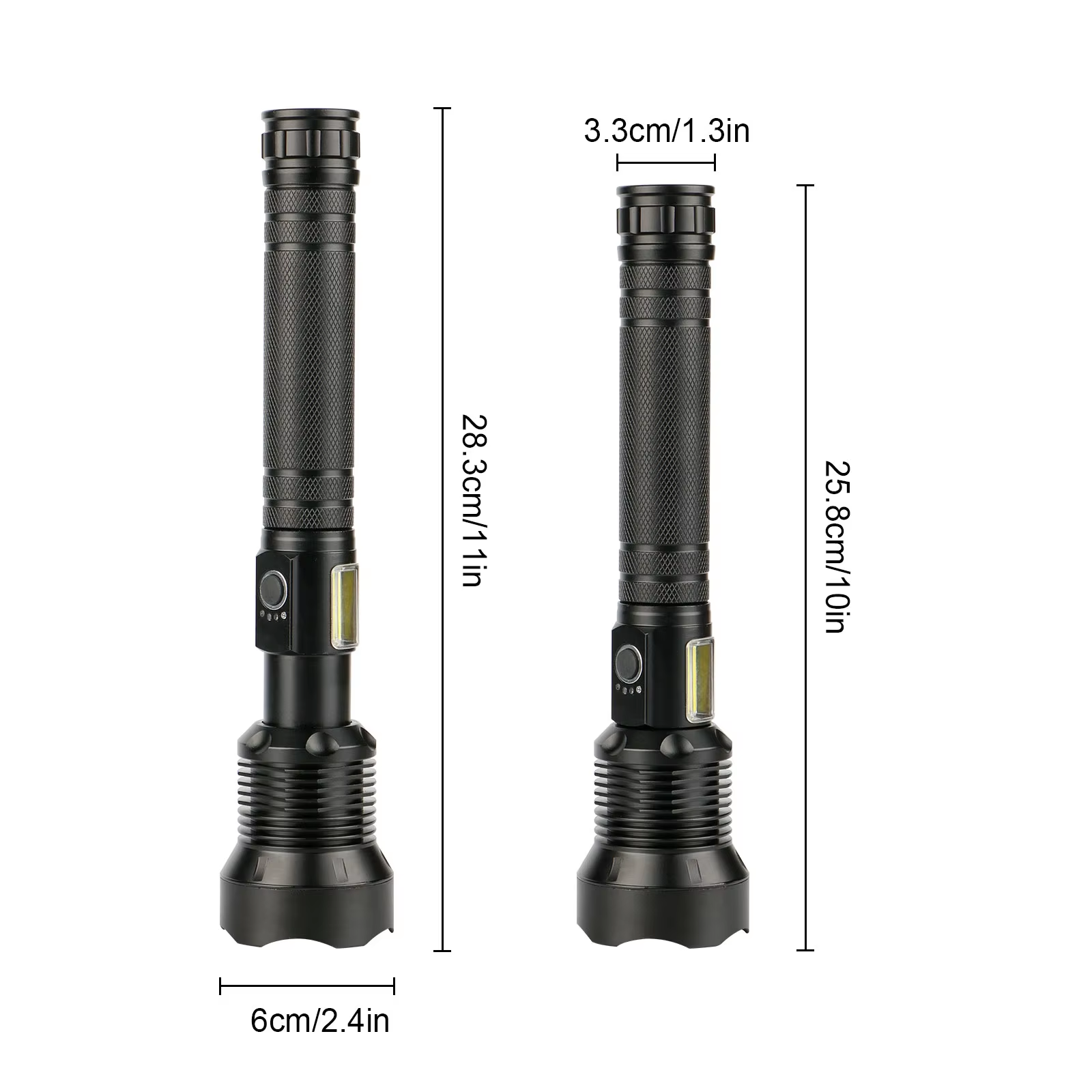
When it comes to equipping security personnel and law enforcement officers with reliable tools, few decisions carry as much practical weight as the choice of illumination device. tactical flashlights have become a standard consideration in operational kit lists worldwide, and for good reason. These are not ordinary consumer-grade torches. They are purpose-engineered lighting tools designed to perform under pressure, in darkness, and in scenarios where a split-second advantage can determine the outcome of a critical situation.
The short answer is yes — tactical flashlights are not only suitable but are widely regarded as essential tools in security and law enforcement contexts. However, suitability depends on understanding what makes a flashlight truly 'tactical,' what operational demands it must meet, and how different features translate into real-world performance. This article explores the key reasons why tactical flashlights earn their place on the belts and vests of trained professionals, and what procurement decision-makers should understand before selecting the right model for duty use.
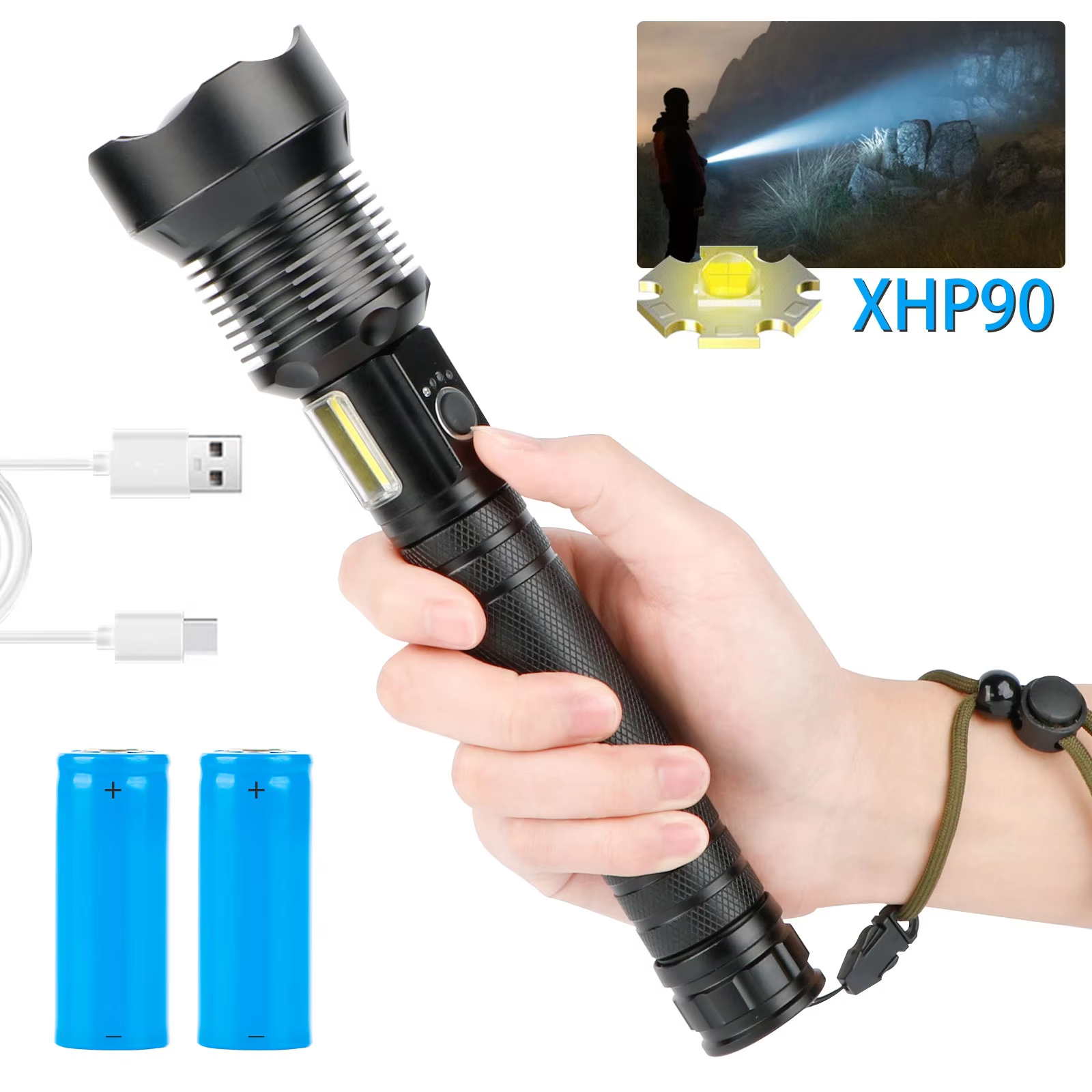
What Makes Tactical Flashlights Different from Standard Torches
Purpose-Built Design for Operational Demands
Tactical flashlights are engineered from the ground up with operational use in mind. Unlike standard consumer flashlights that prioritize cost efficiency and casual utility, tactical models are built around the specific demands of security and law enforcement professionals. This means tighter tolerances, more durable materials, and functional designs that hold up under field conditions including rain, dust, impact, and temperature extremes.
The body construction of tactical flashlights typically uses aircraft-grade aluminum alloy, which provides a high strength-to-weight ratio that professionals depend on. The lens and reflector assembly is sealed and protected to prevent fogging or damage during rough handling. These structural decisions reflect an understanding that the tool may need to perform reliably after being dropped, submerged, or struck during an altercation.
From a procurement standpoint, the distinction matters considerably. Investing in tactical flashlights rather than general-use torches is not simply paying more for branding — it is paying for verified durability standards, IP-rated weather resistance, and field-tested performance reliability that directly supports officer safety and operational effectiveness.
Output Power and Beam Versatility
One of the most critical functional differences between tactical flashlights and standard torches is raw output and beam control. High-lumen LED tactical flashlights can deliver anywhere from 500 to over 2000 lumens on demand, enabling operators to illuminate large spaces, identify threats at distance, or temporarily blind and disorient an aggressor without deploying a weapon. This capability has clear law enforcement applications in search operations, vehicle stops, and building clearances.
Beam versatility adds another layer of operational value. Zoom-capable tactical flashlights allow the user to switch between a wide flood beam for close-range scanning and a tight focused beam for long-distance identification. This flexibility means a single tool can serve multiple functions within a single operation rather than requiring the officer to carry multiple lighting devices.
Security professionals conducting perimeter patrols, access control, or crowd management benefit from being able to adapt beam coverage in real time. The ability to zoom or shift between lighting modes without interrupting situational awareness is a direct operational advantage that generic torches rarely offer at the same performance level.
Specific Applications in Security and Law Enforcement Operations
Patrol and Search Operations
Patrol work, whether conducted by uniformed law enforcement or private security teams, frequently involves operating in low-light or no-light environments. Parking structures, warehouses, stairwells, and outdoor perimeters all present conditions where reliable illumination is not a convenience but a safety prerequisite. Tactical flashlights support patrol officers by extending their visual range, reducing the element of surprise that a concealed subject might otherwise exploit, and enabling rapid documentation of scenes and evidence.
In active search scenarios, tactical flashlights with strobe function provide an additional tool for officer safety. A rapid strobe output can disorient and temporarily impair the vision of a fleeing or combative subject, creating valuable reaction time for the officer. This non-lethal disorientation capability has made strobe-equipped tactical flashlights a standard recommendation in many security training programs.
The ergonomics of tactical flashlights also contribute to their suitability in patrol contexts. Designed to be gripped securely alongside a firearm using established law enforcement weapon-light techniques, tactical flashlights fit naturally into trained operational postures. Their size, weight distribution, and switch placement are calculated to minimize fumbling and maximize control during high-stress interactions.
Emergency Response and Vehicle Operations
Law enforcement and security personnel regularly respond to vehicle incidents, roadside emergencies, and accident scenes. In these environments, tactical flashlights serve multiple roles simultaneously. They illuminate the scene for assessment, signal other road users, and allow the officer to maintain visible contact with vehicle occupants while approaching at an angle. The bright output of professional-grade tactical flashlights can penetrate tinted glass and provide clear illumination even in heavy rainfall conditions.
Many tactical flashlights designed for professional use also incorporate USB rechargeable functionality, which is a significant operational and logistical benefit. Officers and security supervisors can recharge devices from vehicle charging ports, base station chargers, or portable power banks without depending on a rotating battery supply chain. This USB-rechargeable feature reduces operating costs, minimizes equipment downtime, and simplifies inventory management for security companies and law enforcement agencies managing large fleets of devices.
For emergency response teams, the reliability of a rechargeable tactical flashlight becomes even more critical. An officer who arrives at a scene with a fully charged tactical flashlight is operationally prepared. When charging infrastructure is built into the vehicle or station environment, maintaining full readiness becomes a manageable routine rather than a logistical challenge.
Multi-Function Features That Add Operational Value
Integrated Safety and Defense Tools
Modern tactical flashlights increasingly incorporate multi-function designs that go beyond illumination alone. Features such as a built-in safety hammer, glass breaker tip, or cutting blade make these tools genuinely versatile in emergency scenarios. For law enforcement officers who may respond to vehicle accidents requiring the rescue of trapped occupants, a tactical flashlight equipped with a safety hammer becomes an immediately deployable rescue tool without requiring a separate device.
The integration of a knife or cutting edge within the flashlight body adds utility for field personnel who routinely manage rope, tape, packaging, or restraint materials during their duties. Rather than reaching for a separate cutting tool, the officer has a compact multi-purpose device that addresses both illumination and emergency cutting needs within a single grip. This consolidation of tools directly reduces the overall equipment load an officer must carry during extended operations.
For security personnel operating in facilities, construction environments, or transportation hubs, the combination of glass-breaking capability and bright illumination in a single tactical flashlight creates a compelling emergency preparedness argument. Procurement managers evaluating multi-function tactical flashlights should consider not just the daily lighting utility but the emergency-scenario value that integrated features provide across a realistic range of incidents.
Zoom and Lighting Mode Control
Adjustable zoom is a feature that significantly extends the operational range of tactical flashlights in security applications. By shifting from a wide flood beam to a concentrated spot beam, the user can effectively scan a large open area and then sharply focus on a specific target or individual at distance. This functionality directly supports threat assessment in outdoor environments, border patrol, port security, and large-venue event management.
Multiple lighting modes — typically including high output, medium output, low output, and strobe — give the operator precise control over visibility and battery management. In prolonged operations where recharging may not be immediately available, the ability to conserve battery life by switching to lower output modes is a practical advantage. Strobe mode, as noted earlier, carries additional defensive and signaling utility that expands the value of tactical flashlights well beyond their core illumination purpose.
Security supervisors managing teams across multiple shifts should ensure that all personnel are trained to utilize the full range of modes available on their tactical flashlights. The functional value of these devices is only fully realized when officers understand and can confidently operate each mode under stress, which argues for including flashlight familiarization as part of regular equipment training programs.
Key Considerations for Procurement and Deployment
Durability and Certification Standards
When procuring tactical flashlights for security or law enforcement use, durability certifications should be a primary evaluation criterion. IP ratings (Ingress Protection) indicate how well the device resists water and dust ingress, with IP65 or higher being a common threshold for professional-use tactical flashlights. Drop resistance ratings, typically tested at heights of one to two meters onto concrete, are also a relevant performance indicator for field-deployed equipment.
The materials and finishing of tactical flashlights directly affect their service life. Hard-anodized aluminum bodies resist corrosion, wear, and scratching better than painted or bare metal surfaces, making them a preferred choice for agencies that need equipment to maintain functionality over years of field use rather than months. Evaluating total cost of ownership rather than initial unit cost is a sound procurement strategy when deploying tactical flashlights at scale.
Agencies should also consider the warranty and replacement support available from suppliers. Tactical flashlights that are difficult to source replacements for or that lack responsive supplier support create operational vulnerabilities when devices fail in the field. Establishing procurement relationships with reliable suppliers who maintain consistent stock and quality standards is an important part of a sustainable equipment strategy.
Training Integration and Operational Readiness
Issuing tactical flashlights without corresponding training integration is a missed opportunity. The operational value of these devices is maximized when personnel understand weapon-light techniques, know how to perform one-handed operation, and can execute rapid mode switching without breaking their operational posture. Training programs that incorporate flashlight-specific techniques alongside firearm and defensive tactics training ensure that the equipment delivers its full intended value.
Operational readiness protocols should address daily inspection of tactical flashlights, including battery charge verification for rechargeable models, lens and switch functionality checks, and body integrity assessments. A culture of equipment accountability, where each officer takes responsibility for the readiness of their personal tactical flashlights, significantly reduces the risk of encountering a failed device during a high-stakes operation.
For security companies managing large teams across multiple sites, standardizing on a single model or a narrow range of tactical flashlights simplifies training, spare parts sourcing, and charging infrastructure management. Standardization also builds familiarity and operational confidence among personnel who can rely on consistent tool behavior regardless of which unit they pick up during a shift change.
FAQ
Are tactical flashlights legal for use by private security personnel?
In most jurisdictions, tactical flashlights are entirely legal for use by private security personnel as they are classified as lighting tools rather than weapons. However, some multi-function models incorporating blades or pointed glass breakers may be subject to local regulations governing edged tools or self-defense devices. Security companies should review applicable local laws before deploying multi-function tactical flashlights and ensure that personnel training covers the appropriate legal context for their use.
How long does the battery last in rechargeable tactical flashlights during active operations?
Battery life in USB rechargeable tactical flashlights varies significantly depending on output mode and battery capacity. On high output mode, many professional-grade tactical flashlights deliver between one and three hours of continuous operation. On medium or low modes, runtime can extend to six hours or more. Strobe mode typically offers extended runtime compared to steady high output. For shift-based operations, it is advisable to start each shift with a fully charged device and to carry a backup power source for extended deployments.
Can tactical flashlights be used effectively without firearms training?
Yes. While tactical flashlights are often associated with firearm-mounted applications in law enforcement contexts, they are highly effective standalone tools for unarmed security personnel as well. Search illumination, identity verification, non-lethal strobe disorientation, and emergency signaling are all capabilities that unarmed security officers can deploy confidently with appropriate training. The key is ensuring that personnel understand the device's functions and practice operating it under realistic conditions rather than encountering unfamiliar features during a real incident.
What lumen output is recommended for law enforcement applications?
Most law enforcement and security training guidance recommends a minimum of 500 lumens for general duty use, with 1000 lumens or above being preferred for search, vehicle stop, and outdoor patrol scenarios. Higher lumen outputs provide stronger temporary vision impairment capability during confrontational encounters and extend effective identification range in open environments. However, lumen output should be evaluated alongside beam quality, throw distance, and mode versatility rather than treated as the sole performance indicator when selecting tactical flashlights for professional deployment.
Table of Contents
- What Makes Tactical Flashlights Different from Standard Torches
- Specific Applications in Security and Law Enforcement Operations
- Multi-Function Features That Add Operational Value
- Key Considerations for Procurement and Deployment
-
FAQ
- Are tactical flashlights legal for use by private security personnel?
- How long does the battery last in rechargeable tactical flashlights during active operations?
- Can tactical flashlights be used effectively without firearms training?
- What lumen output is recommended for law enforcement applications?
