 EN
EN

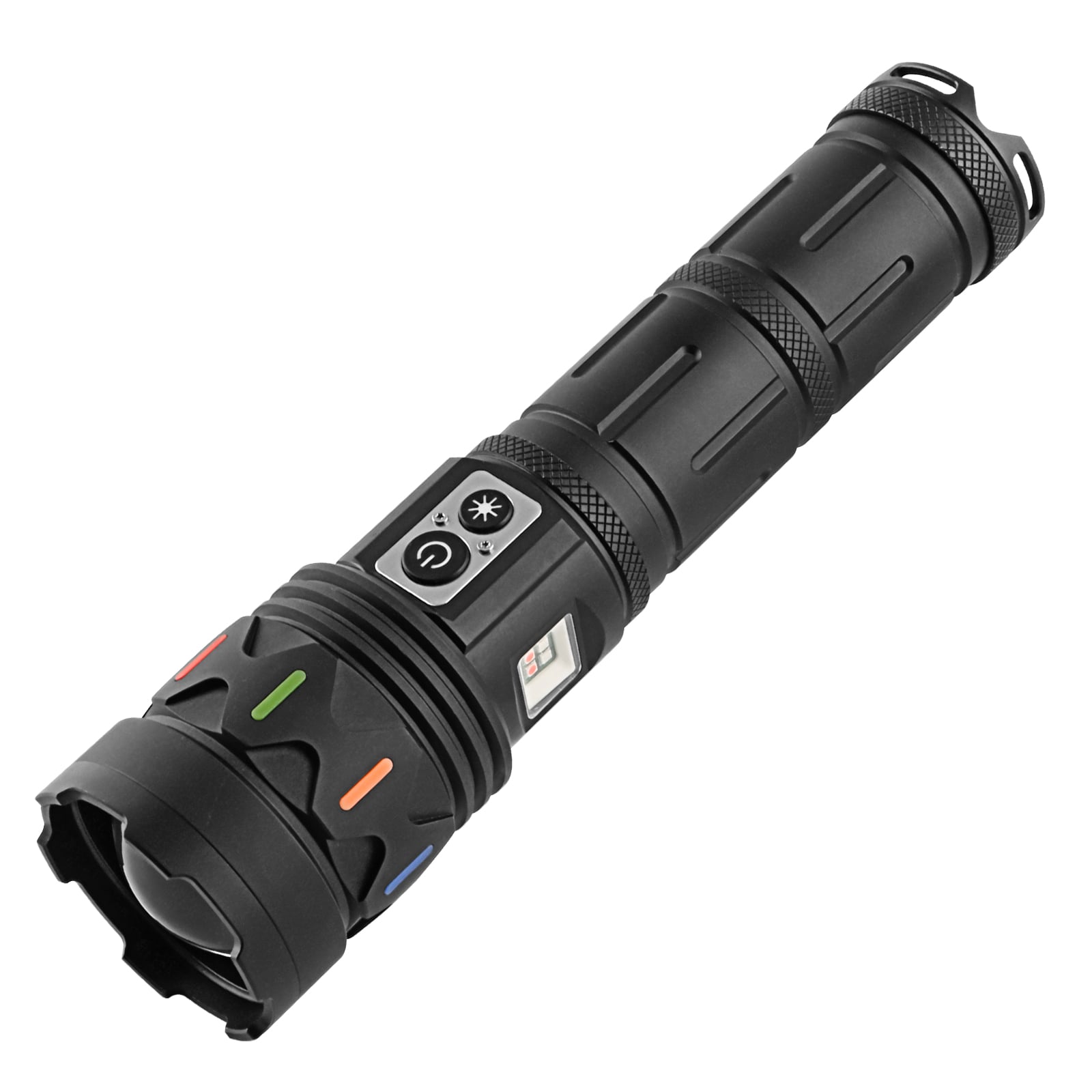
Solar garden lights have emerged as a practical solution for homeowners seeking to lower their electricity expenses while enhancing outdoor aesthetics. These self-powered fixtures harness sunlight during daylight hours and convert it into usable energy for nighttime illumination, eliminating the need for grid-connected power sources. The question of whether solar garden lights reduce energy costs in residential installations is increasingly relevant as utility rates climb and sustainability concerns grow. Understanding the genuine cost-benefit dynamics of solar garden lights requires examining installation expenses, operational longevity, performance variables, and your home's specific environmental conditions.
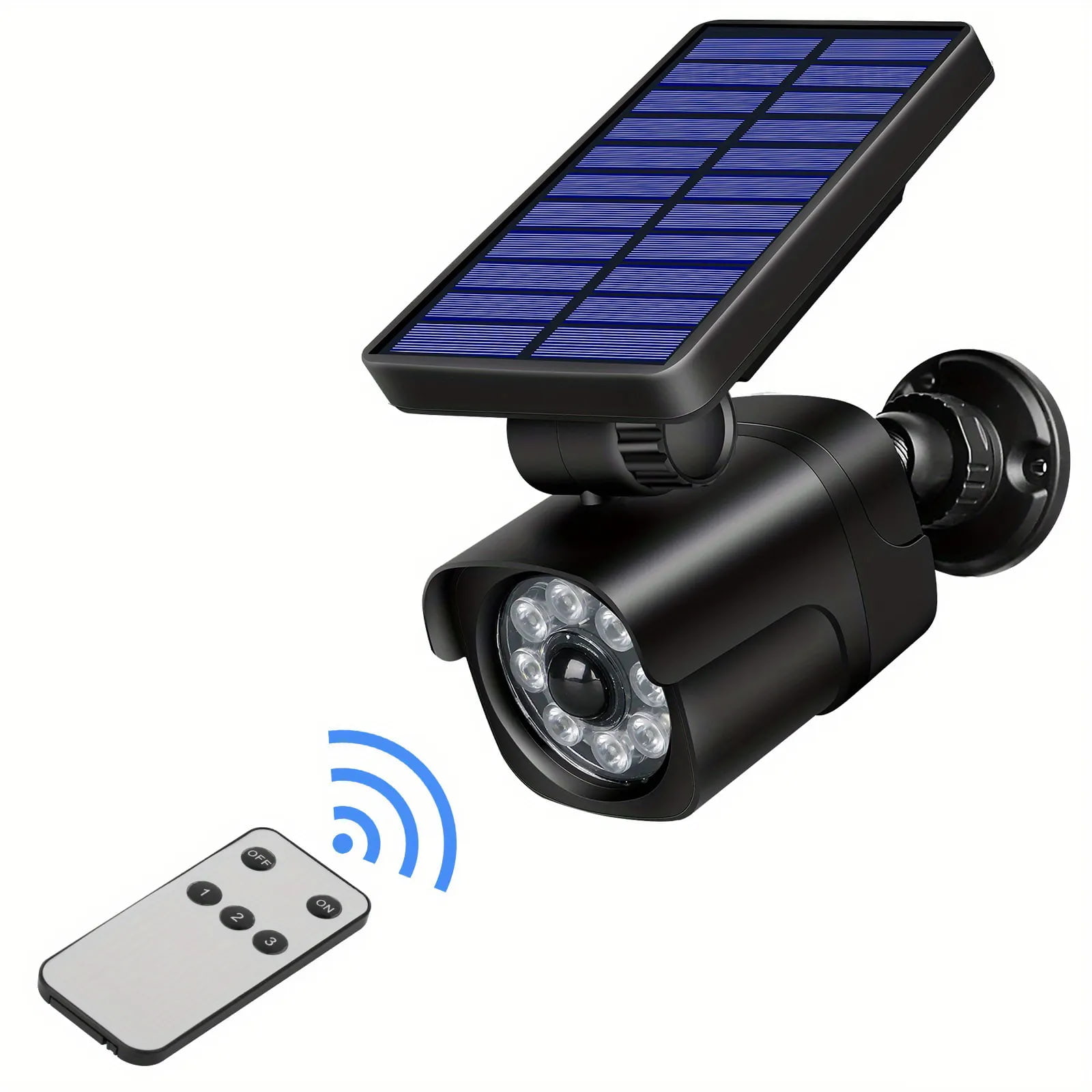
The residential market for solar garden lights has expanded significantly over the past decade, driven by improvements in photovoltaic technology and consumer awareness of environmental impact. Modern solar garden lights deliver consistent performance levels that earlier generations could not achieve, making them a legitimate contender for households evaluating outdoor lighting investments. This article explores the financial reality of solar garden lights in residential settings, analyzing both direct cost reductions and indirect economic benefits that influence overall household energy expenditure.
Understanding Solar Garden Lights Operating Costs
Initial Investment and Long-Term Value
The upfront cost of solar garden lights represents the primary financial barrier for many homeowners considering this technology. A typical quality solar garden lights unit costs between thirty and one hundred fifty dollars per fixture, depending on brightness, build quality, and additional features such as motion sensors or smart controls. Conversely, traditional grid-powered outdoor lighting requires professional installation, trenching, electrical wiring, and ongoing utility bills. When evaluating whether solar garden lights reduce overall residential energy expenses, comparing total lifecycle costs proves more meaningful than examining purchase price alone.
Eliminating Monthly Electricity Consumption
Solar garden lights operate independently from your home's electrical grid, meaning they contribute zero dollars to your monthly utility bill. A single solar garden lights fixture that burns for six hours nightly would consume approximately eighteen to thirty-six kilowatt-hours annually if powered by standard electricity. At average residential rates of twelve to fifteen cents per kilowatt-hour, each solar garden lights unit saves roughly three to six dollars yearly in direct electricity costs. While this per-unit savings seems modest, a comprehensive landscape installation featuring twenty to thirty solar garden lights fixtures can reduce annual energy consumption by sixty to one hundred eighty kilowatt-hours.
Performance Factors Affecting Energy Savings From Solar Garden Lights
Geographic Location and Sunlight Availability
The effectiveness of solar garden lights in reducing residential energy costs depends heavily on your geographic location and local climate patterns. Homes in regions receiving consistent sunshine generate superior performance from solar garden lights compared to areas with frequent cloud cover or limited daylight hours. Northern climates experience reduced solar garden lights efficiency during winter months when days are shorter and angle of incidence changes. Conversely, southern and southwestern locations maximize solar garden lights output throughout the year, enabling faster return on investment and more substantial energy savings.
Installation Site Conditions and Shading
Strategic placement significantly influences whether solar garden lights will meaningfully reduce your residential energy costs. Solar garden lights positioned under tree canopies, adjacent to buildings, or in permanently shaded areas receive insufficient sunlight to charge adequately, resulting in dimmer nighttime illumination and reduced lifespan. Optimal solar garden lights performance occurs when fixtures receive direct, unobstructed sunlight for at least four to six hours daily during peak solar hours. Homeowners must conduct a site assessment before purchasing solar garden lights to identify locations offering maximum solar exposure and realistic charging potential.
Calculating Payback Periods and Cost Recovery for Solar Garden Lights
Residential Savings Timeline and Break-Even Analysis
For most residential installations, solar garden lights achieve cost recovery within three to seven years of continuous operation. A homeowner investing five hundred dollars in a comprehensive solar garden lights landscape package might save fifty to one hundred dollars annually in eliminated grid electricity costs, suggesting a payback window of five to ten years. Premium solar garden lights units with extended warranties and superior battery chemistry accelerate this timeline, while budget-oriented solar garden lights options may extend recovery periods. Beyond the payback threshold, solar garden lights continue delivering measurable energy savings for ten to fifteen additional years as secondary financial benefits.
Additional Financial Benefits Beyond Direct Energy Savings
Solar garden lights reduce energy costs through mechanisms beyond simple elimination of monthly electricity charges. These fixtures require virtually no maintenance, avoiding replacement bulb expenses associated with traditional garden lighting systems. Enhanced outdoor illumination from solar garden lights can improve residential property aesthetics and perceived safety, potentially influencing home valuation and appeal to prospective buyers. Some utility providers offer rebates or incentive programs for homeowners installing renewable energy fixtures including solar garden lights, providing immediate cost reductions that improve overall financial performance.
Environmental and Practical Advantages of Solar Garden Lights
Sustainability Impact and Carbon Footprint Reduction
Beyond direct cost reduction, solar garden lights deliver environmental benefits that carry indirect financial value for environmentally conscious homeowners. Each unit of electricity generated by solar garden lights instead of grid sources eliminates associated carbon emissions from power plant operations. For residential installations, this translates to offsetting greenhouse gas production equivalent to several pounds of carbon dioxide annually per solar garden lights fixture. While not a direct financial savings, this environmental contribution aligns with growing consumer preference for sustainable home improvements and may influence long-term property value considerations.
Operational Reliability and Installation Flexibility
Solar garden lights eliminate complex installation requirements inherent to traditional grid-powered outdoor lighting, reducing labor costs and enabling rapid deployment across residential properties. Unlike conventional fixtures requiring professional electricians and permanent wiring infrastructure, solar garden lights can be repositioned, expanded, or reconfigured without additional expense. This operational flexibility means homeowners can experiment with landscape lighting designs before committing to permanent electrical installations. For rental properties or homes anticipating relocation, solar garden lights provide removable outdoor lighting solutions that traditional grid connections cannot match, representing hidden cost advantages.
FAQ
What is the typical annual energy savings from a single solar garden lights fixture?
A single solar garden lights unit typically saves three to six dollars annually in residential electricity costs, assuming six hours of nightly operation and standard utility rates between twelve and fifteen cents per kilowatt-hour. Savings vary based on local climate, seasonal sunlight availability, and specific solar garden lights brightness output. Comprehensive residential installations featuring multiple solar garden lights fixtures can achieve combined annual savings of fifty to one hundred eighty dollars depending on scale and geographic location.
How long do solar garden lights operate before requiring replacement?
Most quality solar garden lights fixtures function effectively for seven to twelve years before battery degradation or component failure necessitates replacement. Premium solar garden lights models with robust construction and superior battery chemistry may extend operational lifespans to fifteen years or longer. This longevity horizon is essential for calculating accurate payback periods and total lifetime cost benefits when evaluating whether solar garden lights reduce your residential energy expenses.
Can solar garden lights reduce energy costs in regions with limited sunlight?
Solar garden lights can still reduce residential energy costs in cloudier climates, but performance and financial benefits diminish compared to sunnier regions. Homeowners in areas receiving fewer than four hours of peak daily sunlight should select premium solar garden lights models with larger solar panels and high-capacity batteries to maintain adequate charging. Energy savings may require ten to fifteen years for cost recovery in these locations, making solar garden lights a longer-term investment but still potentially worthwhile for environmentally motivated homeowners.
